 3 images
Biratori Wagyu Kurobeko Premium Round Sukiyaki Beef
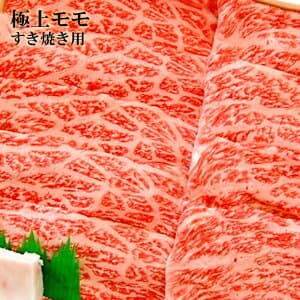
北海道から直送 びらとり和牛 A4・A5ランク くろべこ 極上モモ すき焼き用 500g 平取 ブランド和牛 北海道産 牛肉 産地直送
A4/A5 grade, 500gPASSIOS(パシオズ)
5.0 / 3 reviews
Japanese nameびらとり和牛
Biratori Wagyu is tied to Biratori Town in southwestern Hokkaido, Japanese Black cattle, a raising cycle of about 40 months, and local meals where beef appears beside the town’s tomatoes.
Information last updated 120 days ago
3 images北海道から直送 びらとり和牛 A4・A5ランク くろべこ 極上モモ すき焼き用 500g 平取 ブランド和牛 北海道産 牛肉 産地直送
A4/A5 grade, 500gPASSIOS(パシオズ)
5.0 / 3 reviews
 3 images
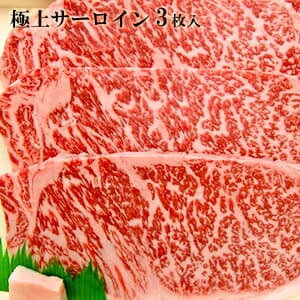
北海道から直送 びらとり和牛 A4・A5ランク くろべこ 極上サーロインステーキ 200g×3 平取 ブランド和牛 北海道産 牛肉 産地直送
A4/A5, 200g x 3 steaksPASSIOS(パシオズ)
5.0 / 2 reviews
 3 images
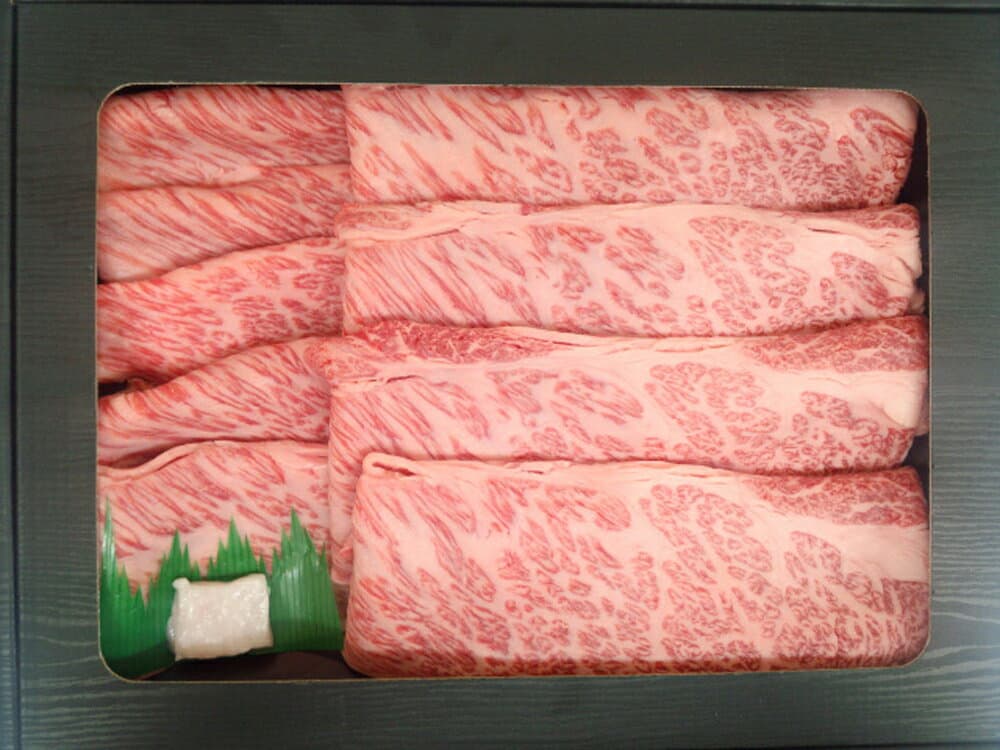
【平取町直送】【北海道産】A5ランク びらとり和牛 すき焼き肩ロース600g※送料無料【九州・沖縄を除く】黒毛和牛 A5ランク 和牛 すき焼き 肩ロース 牛肉 ブランド牛 国産 北海道産 平取牛 ギフト 送料無料 ギフト
600gHOKKAIDO絶品グルメ!
First time buying on Rakuten? How residents in Japan order →
In Biratori Town, southwestern Hokkaido, Biratori Wagyu begins with Japanese Black beef, severe winter cold, and a production area that reaches the town and nearby districts. JA Biratori describes the beef through Biratori Town, while the name boundary also points to Biratori and its surrounding area; the result is a place-based beef name rather than a loose label for any rich Wagyu.
Biratori Wagyu centers on Japanese Black beef produced in Biratori Town and the surrounding area of Hokkaido. JA Biratori places the town in southwestern Hokkaido, and the regional name boundary links the beef to Biratori and nearby districts. Those details keep the name grounded in cattle type, place, and production area.
The recurring flavor description starts with Biratori’s freezing winters. JA Biratori and INPIT both connect cattle passing through that cold season with concentrated umami and a strong beef flavor. The taste language is therefore tied to a concrete natural condition: winter in southwestern Hokkaido, not a vague claim of luxury.
JA Biratori says producing one head of Biratori Wagyu takes about 40 months when gestation is included, and that most feeder calves are produced within the Biratori area. The number gives the beef a slower rhythm: breeding, growth, fattening, and daily care unfold before the meat reaches a local table.
Biratori’s modern cattle line has a dated starting point. In 1962, breeding cows were introduced from Shimane Prefecture, and the Biratori Wagyu brand later emerged. The date gives the regional name a practical sequence: imported breeding stock, local raising work, and a beef name associated with Biratori Town.
At the Biratori Wagyu and Tomato Festival, the beef appears with Biratori tomatoes, Biratori black pork, local vegetables, curry, milk, and other town foods. The serving styles are specific and public: barbecue, hamburg steak, gyudon, and diced steak place the beef in a shared festival setting rather than only behind a counter.
JA Biratori explains beef quality through Japan’s carcass grading framework: yield grades A, B, and C combine with meat-quality grades from 5 to 1, making 15 possible grade combinations. That context should not flatten every cut into one rank; JA’s own description focuses on upper-grade Biratori Wagyu as tender, marbled beef with concentrated umami.
Biratori Wagyu becomes clear through concrete details: Biratori Town in southwestern Hokkaido, Japanese Black cattle, freezing winters, about 40 months of raising time, breeding cows brought from Shimane in 1962, and festival dishes such as barbecue, gyudon, hamburg steak, and diced steak. Together, they give the beef a place, a timescale, and a local table.
Compiled from public records and official sources; see the recognition links below. Details may change over time.
Where this product is officially registered, designated, or recognized in Japan.
Regional collective trademark
Registered as a Regional Collective Trademark with the Japan Patent Office.
Sources1
It is written as びらとり和牛 in Japanese. Search Rakuten and other Japanese sites with that spelling — the English name will not bring up the listings.
Biratori wagyu is Japanese Black beef produced in Biratori Town and nearby areas of Hokkaido. JA Biratori states that after cattle pass through the town's freezing winters, the beef's umami becomes more concentrated and its flavor grows stronger. JA Biratori also notes that raising one animal, including gestation, takes about 40 months.
Breeding cows were introduced to Biratori Town from Shimane Prefecture in 1962, before the Biratori Wagyu brand emerged. At the town's Wagyu and Tomato Festival, Biratori Wagyu appears as barbecue, hamburg steak, gyudon, and diced steak, alongside tomatoes, black pork, and vegetables. JA Biratori explains beef quality through yield grade and meat-quality grade, describing upper-grade Biratori Wagyu as tender, marbled beef with concentrated umami. INPIT also links Biratori's freezing winters to concentrated umami and a strong beef flavor, matching JA Biratori's description.
The town's annual food festival serves Biratori Wagyu as barbecue, hamburg steak, gyudon, and diced steak, as part of a public tasting event. JA Biratori lists local restaurants where the beef can be eaten, including Biratori Onsen Yukara, the specialty shop Kurobeko, and Jankenpon. Upper-grade Biratori Wagyu is tender with concentrated umami, suiting dishes that put the beef's own flavor at the center.
Storage varies by product — shelf-stable, refrigerated, or frozen — and is stated on the packaging and the Rakuten listing. Shelf-stable processed foods usually need refrigerating once opened and eating within a few days; chilled and frozen items go straight into storage on arrival. Treat the best-before date on the physical packaging as authoritative.
Most options are shelf-stable, boxed, and travel well, so they suit gifting or bringing home. Confirm the final storage and delivery terms on the Rakuten listing.
On Rakuten: the shops listed here right now are PASSIOS(パシオズ), HOKKAIDO絶品グルメ!. We don't sell directly; purchase, payment, stock, and delivery are all handled on the Rakuten product page.