 3 images
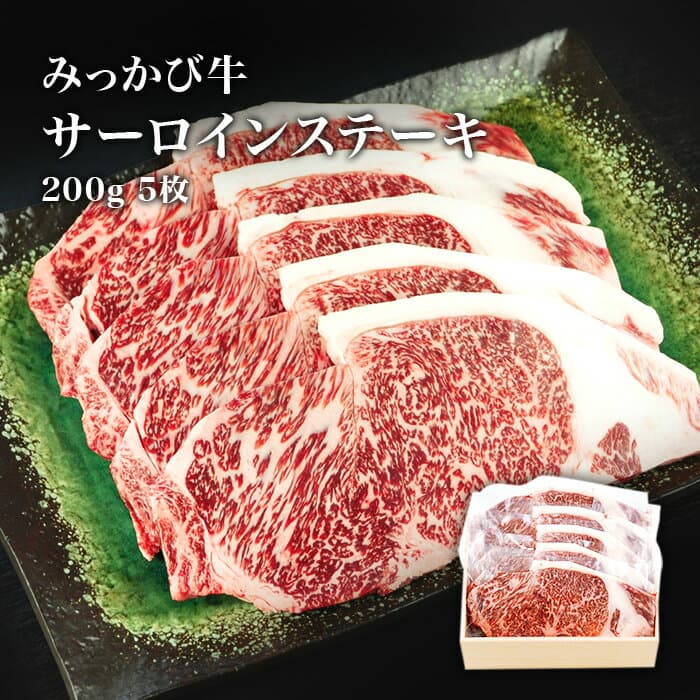
Shizuoka Mikkabi Beef Sirloin Steak
[静岡]みっかび牛 サーロインステーキ200g 5枚入
200g x 5 steaks静岡グルメ セレクトフードコパン
4.7 / 7 reviews
Japanese nameみっかび牛
In Hamamatsu’s Mikkabi district, beef cattle and Mikkabi mandarins share a local farm cycle: dried mandarin peel enters the feed, and cattle manure returns to mandarin fields as compost.
Information last updated 120 days ago
3 images[静岡]みっかび牛 サーロインステーキ200g 5枚入
200g x 5 steaks静岡グルメ セレクトフードコパン
4.7 / 7 reviews
 3 images
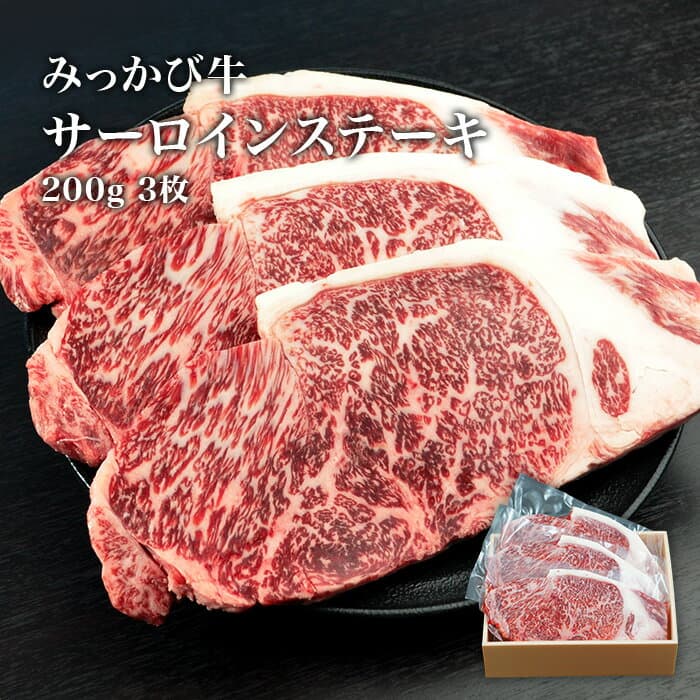
[静岡]みっかび牛 サーロインステーキ200g 3枚入り
200g x 3 steaks静岡グルメ セレクトフードコパン
4.4 / 5 reviews
First time buying on Rakuten? How residents in Japan order →
Mikkabi Beef begins with a place name in Shizuoka: the Mikkabi district of Hamamatsu, near Oku-Hamanako. The beef comes from cattle fattened in Mikkabi and includes both Japanese Black and crossbred lines. In 2010, local beef farmers formed JAみっかび牛志会 and began carrying the Mikkabi cattle name together. The clearest link between cattle and place is the feed: peel left from Mikkabi mandarin processing is dried, pulverized, and added to the ration, tying the cattle barns to the mandarin fields around them.
The name Mikkabi Beef points first to the Mikkabi district of Hamamatsu. The area is described through the warm Oku-Hamanako climate and a natural setting associated with Mikkabi mandarins, and the beef name stays close to cattle fattened in the district. The producer community also has a clear shape: local beef farmers formed JAみっかび牛志会 in 2010, then worked around quality practice, study sessions, and public introduction of the shared name. Mikkabi Beef begins with barns, mandarin fields, and farmers in one Hamamatsu district.
The defining production detail is small and tangible: peel from processed Mikkabi mandarins is dried, pulverized, and mixed into cattle feed. The peel is described as a source of vitamins and minerals, and the mandarin-based feed is associated with fat that has a sweet, melting quality. Local character here rests on a named crop entering the feed trough, giving the beef family a direct material link to Mikkabi’s mandarin agriculture.
Mikkabi’s cattle and mandarin farming are linked by a circular route. Mandarin peel left from processing goes to the cattle, and cattle manure returns to mandarin fields as compost. The same district is described as suitable for both mandarins and cattle, and about 1,200 Japanese Black and crossbred cattle are fattened there. The local cycle is practical and visible: fruit residue, feed, barns, manure, compost, and orchards all remain close to the Mikkabi name.
The husbandry details give the beef a grounded texture. Calves are carefully selected, hygiene is managed closely, and the barns use sawdust bedding. Large fans and mist equipment are installed, and in summer the cattle area is described as cooler than the passage where people work. JA Mikkabi also leads quality control and study sessions among producers. Care here appears through objects and routines: bedding, fans, mist, hygiene, and daily attention to reducing stress for the cattle.
Mikkabi Beef includes Japanese Black and crossbred cattle. The Japanese Black line is described as having high-quality meat and fat and is associated with gifts and special days, while the crossbred line, produced from Holstein and Japanese Black, is linked with everyday meals. Steak and yakiniku are named as ways to enjoy the beef, direct formats where texture, heat, and fat are easy to notice. This distinction places the same district name across both celebratory tables and ordinary meals.
Mikkabi Beef also appears beyond steak and yakiniku. In 2014, students at Mikkabi Junior High School developed a local Mikkabi beef burger, and Hamamatsu’s food introduction names retort curry made with the beef. A single-producer example adds another view: Wada Farm fattens about 350 Mikkabi cattle and makes jerky and retort curry, while also developing a pet food that uses Achilles tendon from its own Mikkabi beef. That farm should not stand for every producer, but it shows how one Mikkabi operation extends cattle raising into processed foods and fuller use of beef parts.
Mikkabi Beef is best understood through the links that can be seen in the district: warm Oku-Hamanako climate, mandarin peel dried for feed, sawdust bedding and mist in the barns, manure returning to mandarin fields, and two cattle lines used for different meals. These details keep the name close to Hamamatsu’s Mikkabi landscape, where orchards, barns, and tables are connected by everyday farm work.
Compiled from public records and official sources; see the recognition links below. Details may change over time.
Where this product is officially registered, designated, or recognized in Japan.
Regional collective trademark
Registered as a Regional Collective Trademark with the Japan Patent Office.
Sources1
It is written as みっかび牛 in Japanese. Search Rakuten and other Japanese sites with that spelling — the English name will not bring up the listings.
Mikkabi Beef is beef from cattle fattened in the Mikkabi district of Hamamatsu, Shizuoka, including Japanese Black and crossbred lines. Local beef farmers formed JAみっかび牛志会 in 2010. A defining practice is feed made with dried, pulverized peel from processed Mikkabi mandarins; cattle manure returns to mandarin fields as compost. The beef is associated with steak, yakiniku, a student-developed 2014 local burger, retort curry, and one-producer examples such as jerky.
Mikkabi Beef is tied to the Mikkabi district of Hamamatsu, and the name boundary points to beef from cattle fattened in that district. JAみっかび牛志会 was formed by local beef farmers in 2010. The Mikkabi Beef family includes Japanese Black and crossbred cattle. Peel left from Mikkabi mandarin processing is dried, pulverized, and mixed into the cattle feed.
Storage varies by product — shelf-stable, refrigerated, or frozen — and is stated on the packaging and the Rakuten listing. Shelf-stable processed foods usually need refrigerating once opened and eating within a few days; chilled and frozen items go straight into storage on arrival. Treat the best-before date on the physical packaging as authoritative.
Most options are shelf-stable, boxed, and travel well, so they suit gifting or bringing home. Confirm the final storage and delivery terms on the Rakuten listing.
On Rakuten: the shops listed here right now are 静岡グルメ セレクトフードコパン. We don't sell directly; purchase, payment, stock, and delivery are all handled on the Rakuten product page.