 3 images
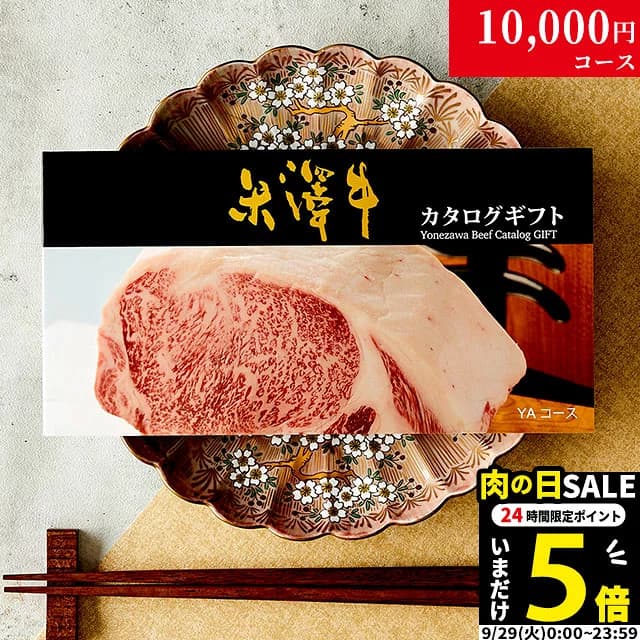
Yonezawa Beef Catalog Gift
【高級ギフト】カタログギフト 肉 米沢牛 1万円コース YA 9商品から 1つ選べる♪ 内祝い お返し 食べ物 食品 結婚祝い 新築祝い 誕生日 プレゼント 出産 結婚 景品 新築 ギフト券 グルメ 10000円 お肉 すき焼き肉 快気祝い 御歳暮 友達 30代 40代 友人 送料無料
YA course, ¥10,000ブランド和牛の百貨店 肉贈
4.8 / 150 reviews
Japanese name米沢牛
In southern Yamagata, Kuroge Wagyu heifers raised for at least 33 months connect Yonezawa beef to Okitama rice fields, Meiji-era routes to Yokohama, and dishes built around fine marbling.
Information last updated yesterday
3 images【高級ギフト】カタログギフト 肉 米沢牛 1万円コース YA 9商品から 1つ選べる♪ 内祝い お返し 食べ物 食品 結婚祝い 新築祝い 誕生日 プレゼント 出産 結婚 景品 新築 ギフト券 グルメ 10000円 お肉 すき焼き肉 快気祝い 御歳暮 友達 30代 40代 友人 送料無料
YA course, ¥10,000ブランド和牛の百貨店 肉贈
4.8 / 150 reviews
 3 images
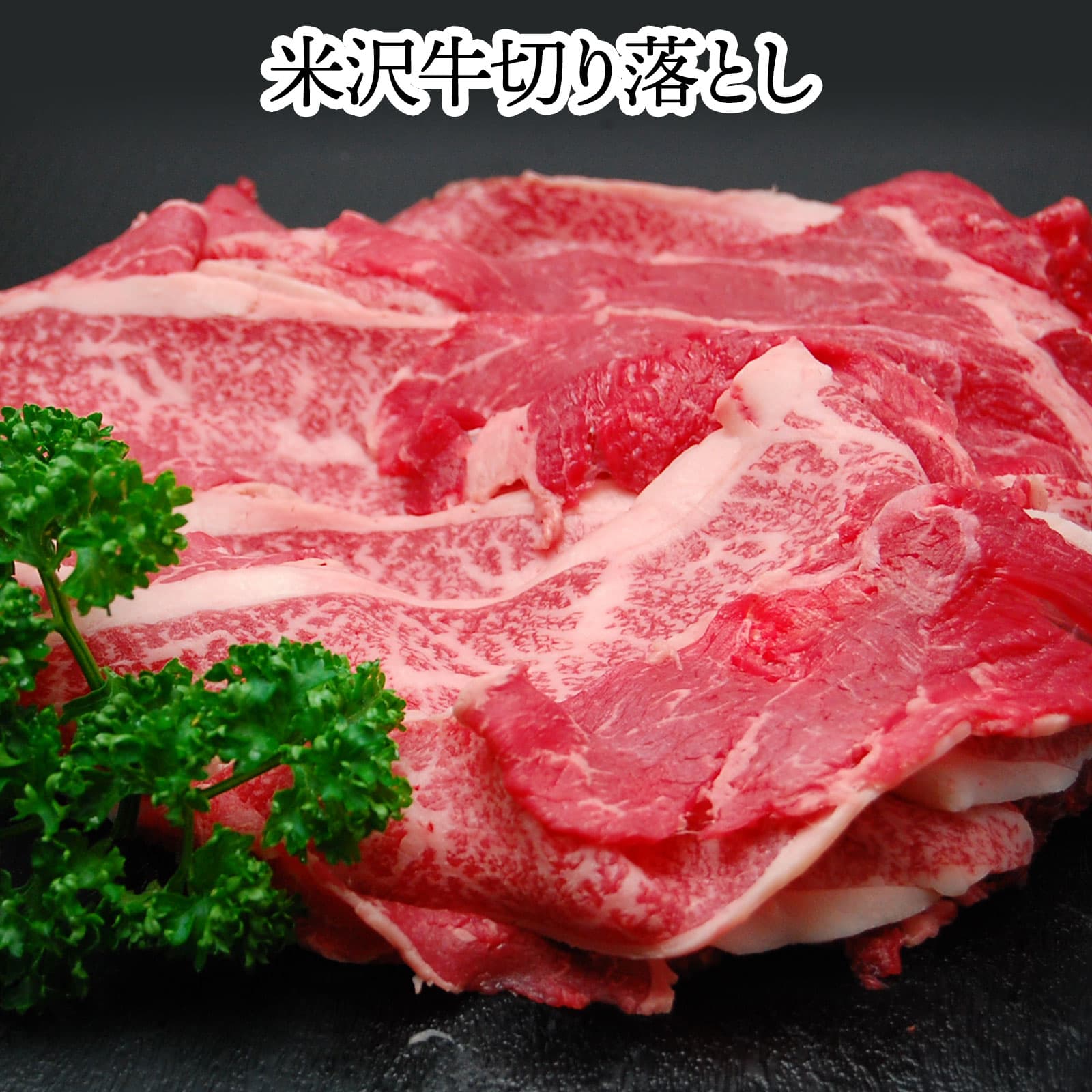
【送料無料】米沢牛切り落とし 【冷凍便】| 敬老の日 2026 和牛 ブランド牛 米沢牛 牛肉 黒毛和牛 松阪牛 近江牛 神戸牛 但馬牛 飛騨牛 山形牛 御贈答 ギフト プレゼント 内祝い 御祝
frozen米沢牛専門店さかの楽天市場店
4.6 / 96 reviews
 3 images
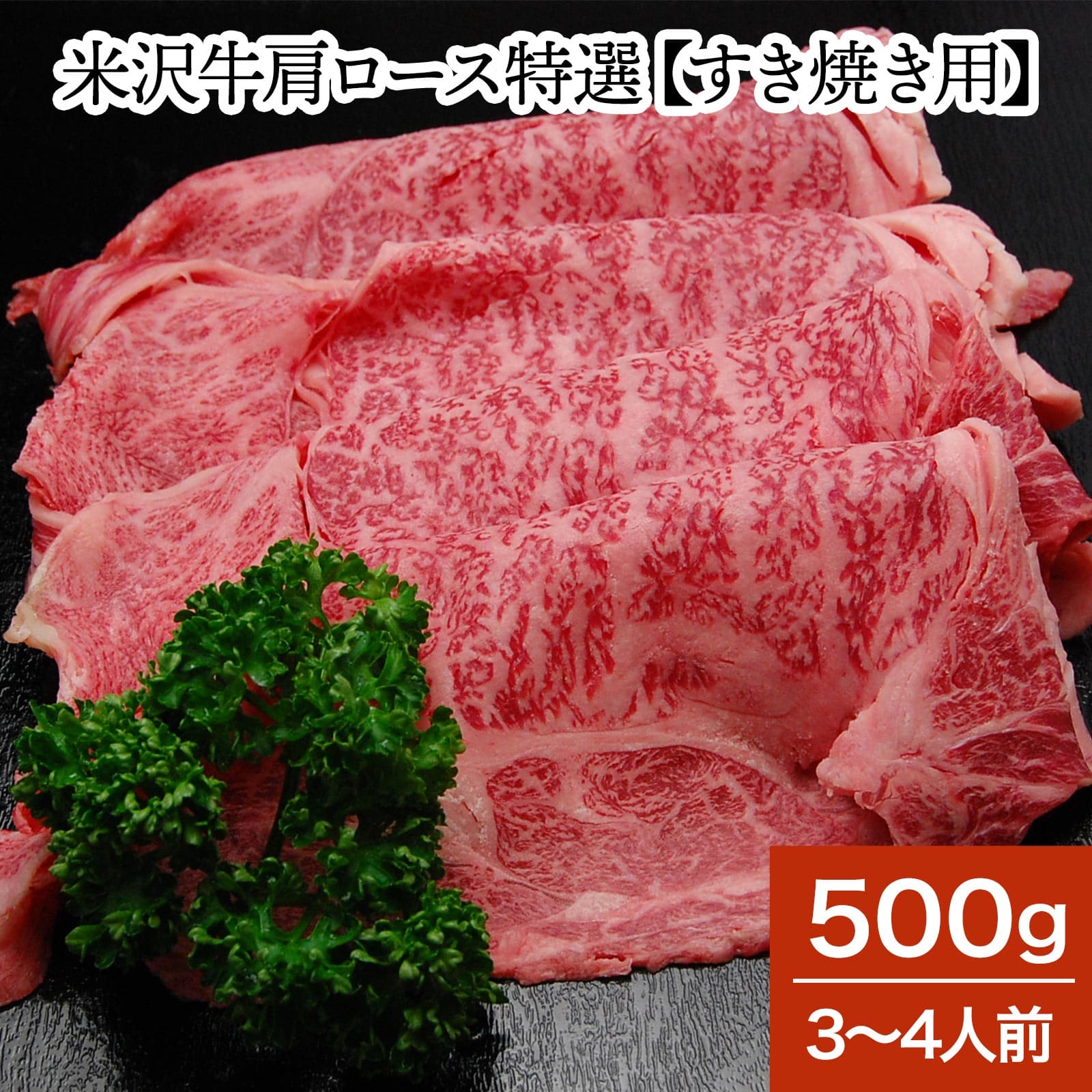
米沢牛肩ロース特選【すき焼き用】500g(3〜4人前)【冷蔵便】| 敬老の日 2026 和牛 ブランド牛 米沢牛 牛肉 黒毛和牛 松阪牛 近江牛 神戸牛 但馬牛 飛騨牛 山形牛 御贈答 ギフト プレゼント 内祝い 御祝
500g (serves 3-4)米沢牛専門店さかの楽天市場店
4.8 / 42 reviews
 3 images
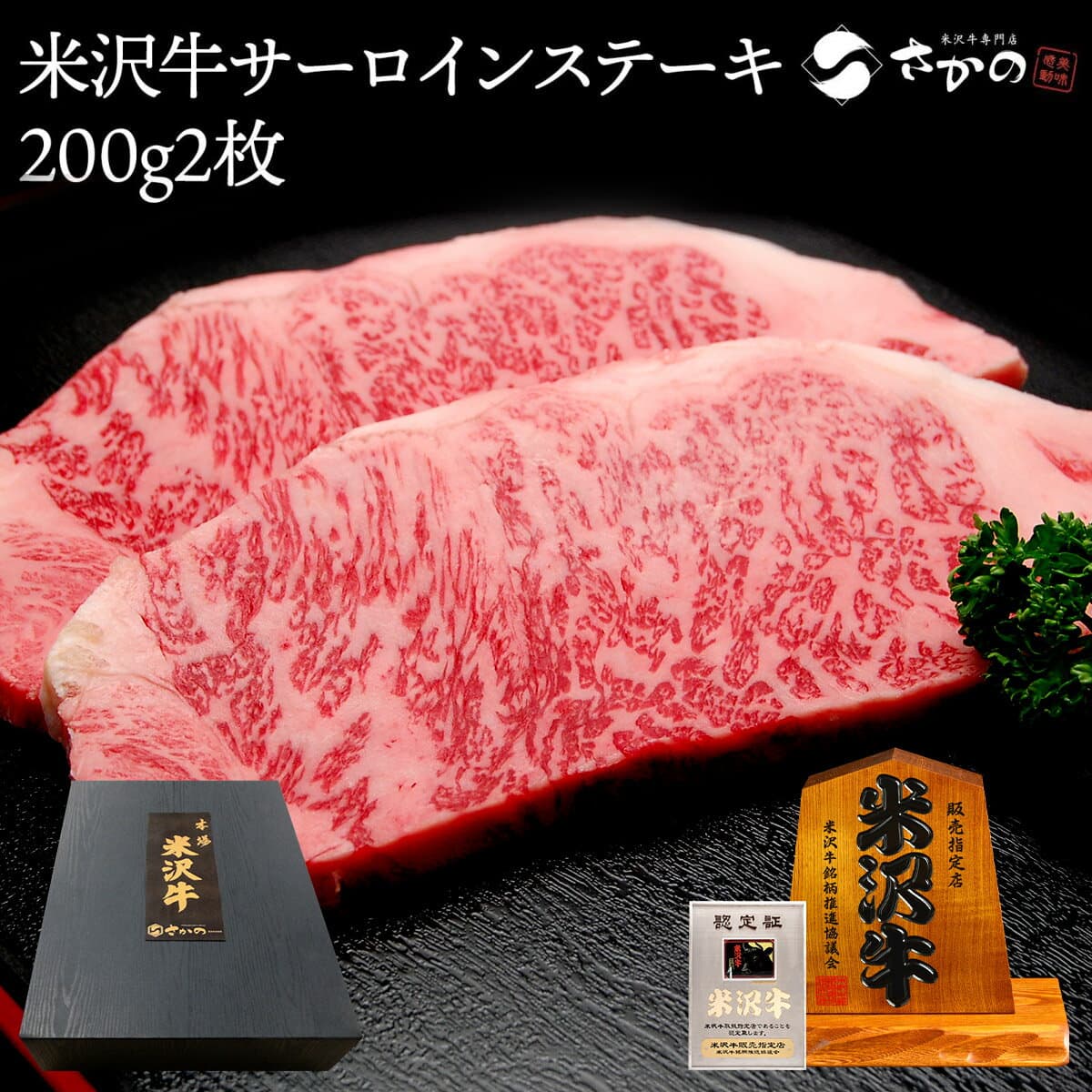
米沢牛サーロインステーキ 200g2枚(2人前)【冷蔵便】| 敬老の日 2026 和牛 ブランド牛 米沢牛 牛肉 黒毛和牛 松阪牛 近江牛 神戸牛 但馬牛 飛騨牛 山形牛 御贈答 ギフト プレゼント 内祝い 御祝
200g x 2 steaks (serves 2)米沢牛専門店さかの楽天市場店
4.8 / 4 reviews
 3 images
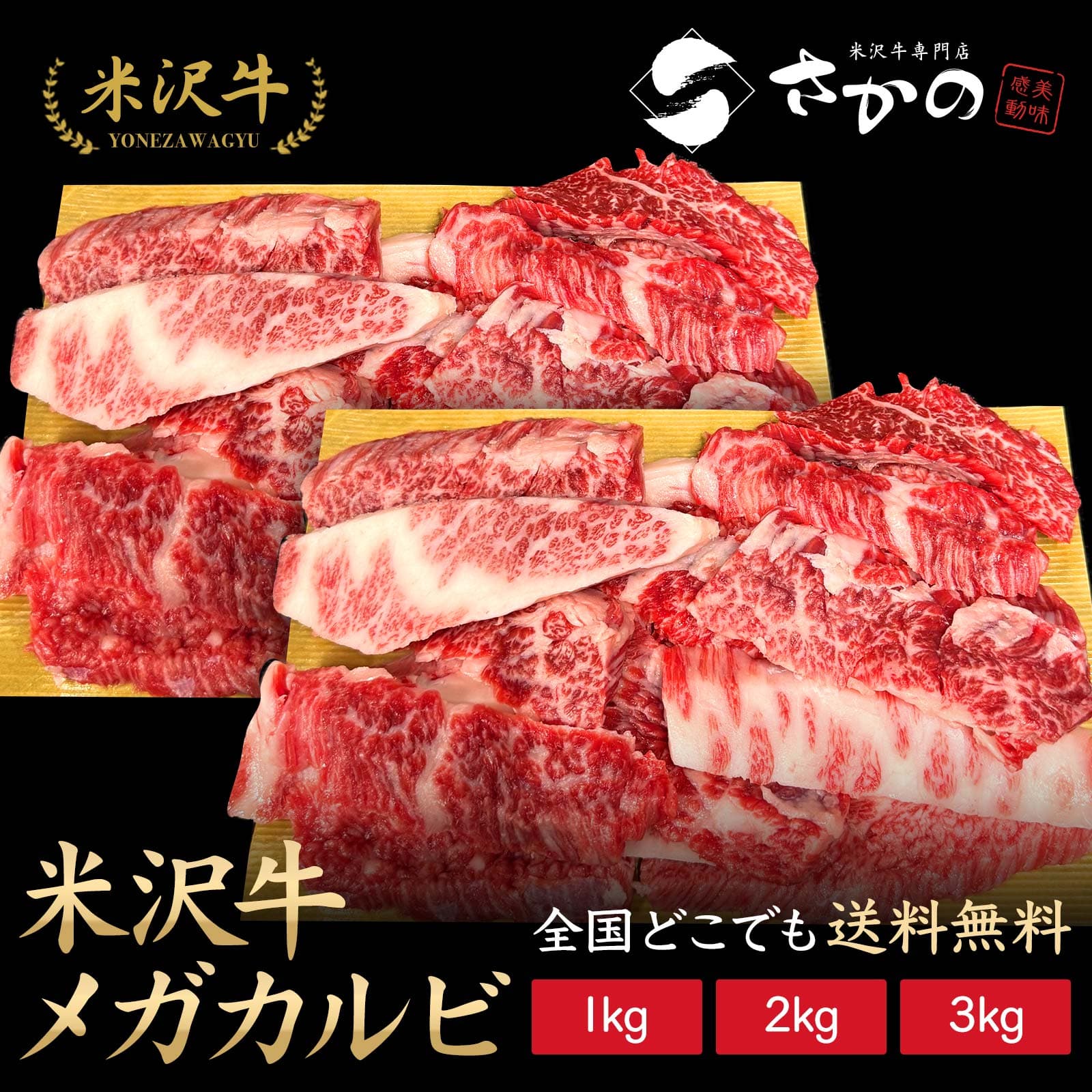
【送料無料】米沢牛カルビ 【冷凍便】(手切り) | 敬老の日 2026 和牛 ブランド牛 米沢牛 牛肉 黒毛和牛 松阪牛 近江牛 神戸牛 但馬牛 飛騨牛 山形牛 御贈答 ギフト プレゼント 内祝い 御祝
hand-cut米沢牛専門店さかの楽天市場店
4.2 / 37 reviews
 3 images
焼肉セット 米沢牛焼肉食べ比べセット(タレ付き) 焼肉ギフト カルビ ロース【冷凍便】| 敬老の日 2026 和牛 ブランド牛 米沢牛 牛肉 黒毛和牛 松阪牛 近江牛 神戸牛 但馬牛 飛騨牛 山形牛 御贈答 ギフト プレゼント 内祝い 御祝
400g kalbi + 400g loin + 180ml sauce米沢牛専門店さかの楽天市場店
4.4 / 40 reviews
 3 images
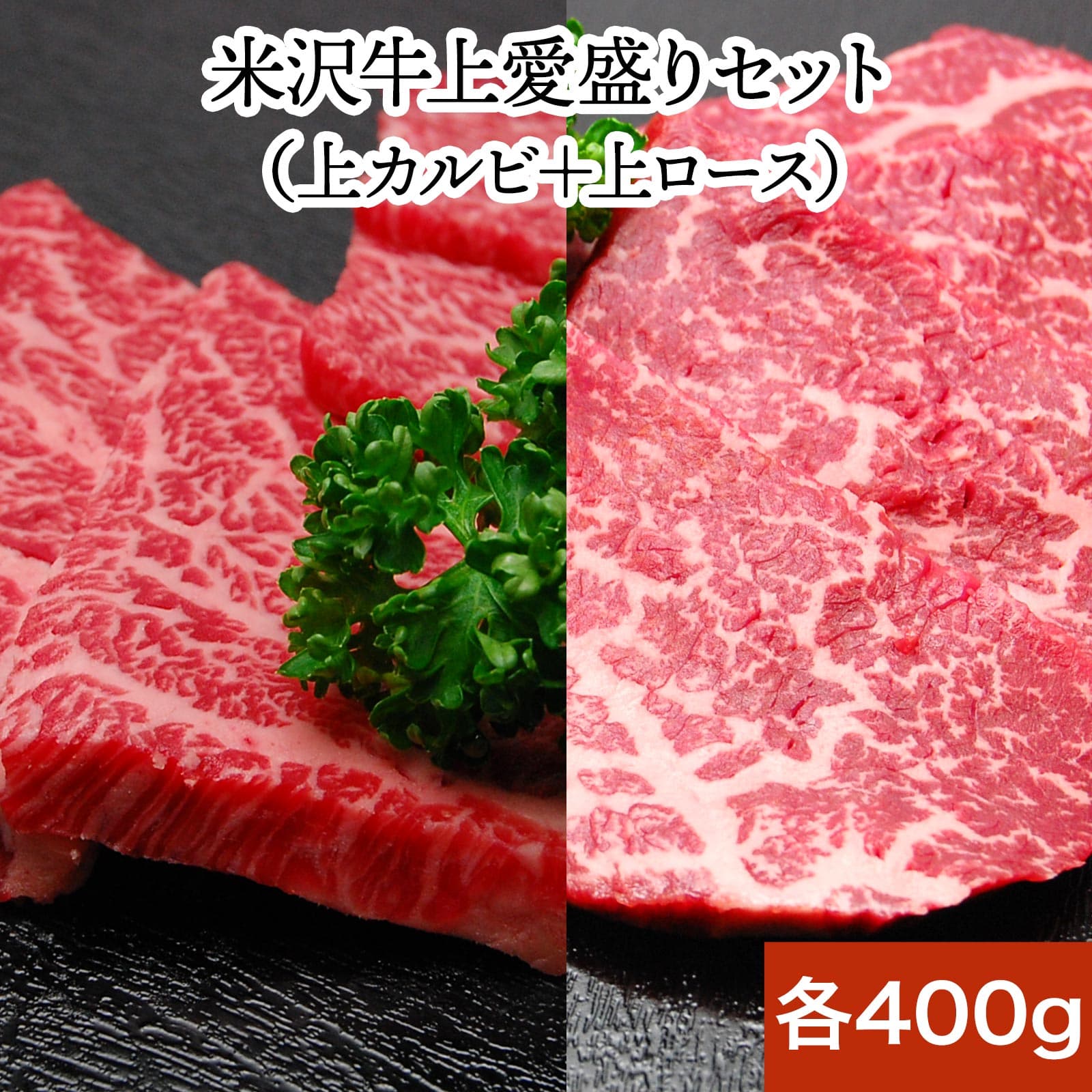
米沢牛焼き肉上愛盛りセット 焼肉のタレ甘口180ml付き | 敬老の日 2026 和牛 ブランド牛 米沢牛 牛肉 黒毛和牛 松阪牛 近江牛 神戸牛 但馬牛 飛騨牛 山形牛 御贈答 ギフト プレゼント 内祝い 御祝
400g kalbi + 400g loin, sweet sauce 180ml米沢牛専門店さかの楽天市場店
4.5 / 4 reviews
 3 images
【米沢牛黄木】米沢牛 サーロインステーキ 180g×2枚/3枚/4枚 選べる 送料無料 牛肉 黒毛和牛 ステーキ お中元 お歳暮 肉 ギフト 国産 父の日 誕生日 御贈答 プレゼント 内祝い 日本三大和牛(米沢牛 松阪牛 神戸牛)である最高級の米沢牛 BBQ バーベキュー ギフト
2/3/4 steaks米沢牛黄木 楽天市場店
4.6 / 536 reviews
First time buying on Rakuten? How residents in Japan order →
All 8 listings of this product on Rakuten, lowest price first.
| Listing | Price | Shop | Reviews | Open listing |
|---|---|---|---|---|
Yonezawa Beef Trimmings frozenLowest priceGift-ready | ¥3,980 | 米沢牛専門店さかの楽天市場店 | 4.6 / 96 reviews | View on Rakuten → |
Yonezawa Beef Yakiniku Tasting Set with Sauce 400g kalbi + 400g loin + 180ml sauceGift-readySmall size to try | ¥8,500 | 米沢牛専門店さかの楽天市場店 | 4.4 / 40 reviews | View on Rakuten → |
Yonezawa Beef Select Shoulder Loin for Sukiyaki 500g (serves 3-4)Gift-ready | ¥10,000 | 米沢牛専門店さかの楽天市場店 | 4.8 / 42 reviews | View on Rakuten → |
Yonezawa Beef Kalbi hand-cutGift-ready | ¥10,000 | 米沢牛専門店さかの楽天市場店 | 4.2 / 37 reviews | View on Rakuten → |
Yonezawa Beef Oki Yonezawa Beef Sirloin Steak 2/3/4 steaksMost reviewedGift-ready | ¥10,700 | 米沢牛黄木 楽天市場店 | 4.6 / 536 reviews | View on Rakuten → |
Yonezawa Beef Catalog Gift YA course, ¥10,000Gift-ready | ¥11,000 | ブランド和牛の百貨店 肉贈 | 4.8 / 150 reviews | View on Rakuten → |
Yonezawa Beef Premium Ai-Mori Yakiniku Set 400g kalbi + 400g loin, sweet sauce 180mlGift-ready | ¥11,000 | 米沢牛専門店さかの楽天市場店 | 4.5 / 4 reviews | View on Rakuten → |
Yonezawa Beef Sirloin Steak 200g x 2 steaks (serves 2)Gift-ready | ¥11,250 | 米沢牛専門店さかの楽天市場店 | 4.8 / 4 reviews | View on Rakuten → |
Japanese · new tab
Yonezawa beef begins with Okitama, the southern Yamagata region where the cattle are raised. Winters often fall below freezing, summers are humid and hot, and rice straw from local farming remains part of the feed pattern alongside wheat, soybeans, and bran. To carry the name, the cattle must be Kuroge Wagyu heifers that have not calved, raised in Okitama, shipped at 33 months or older, and graded 3 or above for meat quality. Place, animal, time, and meat quality meet inside one regional name.
Yonezawa beef is tied to more than the city name of Yonezawa. Its production area is Okitama in southern Yamagata, and its cattle are Kuroge Wagyu heifers that have not calved. That boundary gives the name a concrete setting: a southern Yamagata region of rice fields and livestock, not a label that can be moved anywhere. The requirement of shipment at 33 months or older, together with meat quality grade 3 or above, makes age and grading part of the name’s meaning.
The age requirement is one of the clearest ways to understand Yonezawa beef. Shipment must take place at 33 months or older. In 2023, the age line shifted from 32 months to 33 months, with the aim of improving fat quality and making the meat fibers finer. Long fattening here is a defined practice: an uncalved Kuroge Wagyu heifer is raised to a set age and must meet grade 3 or above. Fine marbling and mouth-melting fat become easier to read through those conditions.
The cattle have long been connected with rice farming. In earlier farm cycles, cattle worked the fields, manure returned to the soil, and rice straw and grain became feed. Cattle no longer serve as working animals, but rice straw feeding continues with wheat, soybeans, and bran. The Yonezawa-Iide area is described as a rich rice-growing region with active livestock production, and roughly 40 percent of Yonezawa beef production is linked with that area. The regional character rests in straw, manure, feed, and fields rather than a vague idea of rural scenery.
Yonezawa beef is often explained through Okitama’s climate. Winters commonly drop below freezing, while summers are humid and hot. The cattle are raised through those seasonal changes in southern Yamagata. That climate connects concretely to cattle-shed work, straw feed, and the time needed for long fattening. When local accounts speak of environment and producer effort, the grounding details are temperature, humidity, feed, and months of raising.
In the early Meiji period, Charles Henry Dallas taught English at Kojokan in Yonezawa. He ate beef in Yonezawa, and after his term ended he took a live cow to Yokohama. Yonezawa’s account also connects that route to dealings between Yonezawa livestock merchants and Yokohama wholesalers. A second route ran through the silk trade: merchants from Kyoto, Osaka, and other Kansai areas visited Yonezawa for textiles and were often served beef hot pot. The name spread along schools, ports, merchants, and meals rather than appearing all at once.
Fine marbling and low-melting fat become most legible through dishes. Sukiyaki lets the fat mingle with warishita and vegetables. Shabu-shabu removes some fat in hot water and tightens the meat, giving both lean meat and fat a clear place. Steak and yakiniku bring cuts such as sirloin, thigh, shoulder loin, shoulder, and kalbi closer to direct heat. Yonezawa menus also include bowls, skewers, croquettes, stews, and sushi-style preparations, showing how the beef appears in many local forms.
The modern shape of Yonezawa beef was also organized by the producer community over time. In 1978, the Okitama area held a carcass fair. In 1988, a shipment association was formed. In 1992, a brand promotion council and unified standards were established. These dates point to something easier for readers to grasp: place, cattle conditions, meat-quality boundaries, and shared organization keep Yonezawa beef from being reduced to one address or one anecdote.
Yonezawa beef is strongest when understood through concrete details: Okitama in southern Yamagata, uncalved Kuroge Wagyu heifers, shipment at 33 months or older, meat quality grade 3 or above, rice straw and grain feed, cold winters, humid summers, and the Meiji route from Kojokan to Yokohama. Fine marbling and low-melting fat are tied to fields, cattle sheds, age, and meals. By 2025, 150 years had passed since Dallas took a cow to Yokohama, yet the clearest way back to Yonezawa beef still runs through Okitama straw and time.
Compiled from public records and official sources; see the recognition links below. Details may change over time.
Where this product is officially registered, designated, or recognized in Japan.
It is written as 米沢牛 in Japanese. Search Rakuten and other Japanese sites with that spelling — the English name will not bring up the listings.
Yonezawa beef is Kuroge Wagyu brand beef from Okitama in southern Yamagata. To carry the name, cattle must be uncalved heifers, shipped at 33 months or older, and graded 3 or above for meat quality.
In 2023, the shipment age requirement shifted from 32 months to 33 months, with fat quality and finer meat fiber as stated aims. The Yonezawa-Iide area is described as a rice-growing and livestock region connected with about 40 percent of Yonezawa beef production. In the early Meiji period, English teacher Charles Henry Dallas ate beef in Yonezawa and later took a cow to Yokohama. That route is also tied to a Yokohama sales route and to Kansai silk merchants who were served beef hot pot.
Sukiyaki is used to highlight the fine marbling and fat, with loin, thigh, shoulder loin, and shoulder among cuts for this style. In shabu-shabu, hot water removes some fat and tightens the meat, so fat and lean meat can be eaten together. Steak and yakiniku are common ways to eat it, including cuts such as sirloin, thigh, and kalbi.
Storage varies by product — shelf-stable, refrigerated, or frozen — and is stated on the packaging and the Rakuten listing. Shelf-stable processed foods usually need refrigerating once opened and eating within a few days; chilled and frozen items go straight into storage on arrival. Treat the best-before date on the physical packaging as authoritative.
Most options are shelf-stable, boxed, and travel well, so they suit gifting or bringing home. Confirm the final storage and delivery terms on the Rakuten listing.
On Rakuten: the shops listed here right now are ブランド和牛の百貨店 肉贈, 米沢牛専門店さかの楽天市場店, 米沢牛黄木 楽天市場店. We don't sell directly; purchase, payment, stock, and delivery are all handled on the Rakuten product page.