 3 images
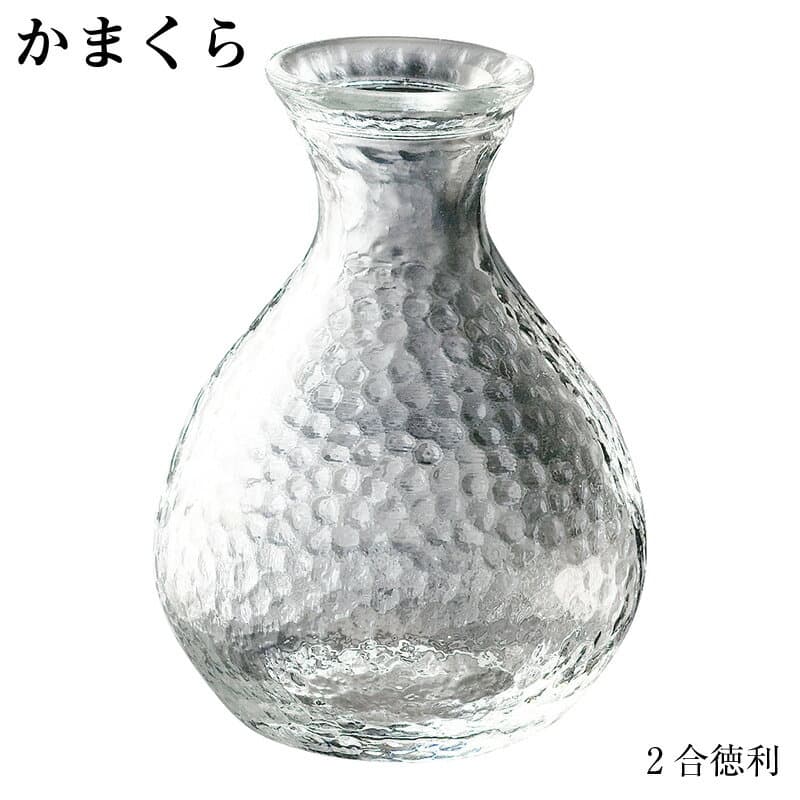
江戸硝子 Kamakura Heat-Resistant Glass Tokkuri Sake Flask
酒器 徳利 耐熱ガラス 江戸硝子 かまくら 徳利 約2合 350ml KK-6138 口径48mm 最大径95mm 高さ126mm 350ml 電子レンジOK 食器洗浄機OK 日本製
350mle雑貨屋楽天市場店
4.3 / 14 reviews
Japanese name江戸硝子
Across Sumida, Koto, Edogawa, and older Edo sites such as Nihonbashi Toishiocho and Asakusa, Edo Glass has taken shape as mirrors, eyeglasses, hairpins, wind chimes, vessels, vases, and scientific tools. It is a Tokyo glass craft best understood through place, hand forming, and everyday use.
Information last updated 121 days ago
3 images酒器 徳利 耐熱ガラス 江戸硝子 かまくら 徳利 約2合 350ml KK-6138 口径48mm 最大径95mm 高さ126mm 350ml 電子レンジOK 食器洗浄機OK 日本製
350mle雑貨屋楽天市場店
4.3 / 14 reviews
 3 images
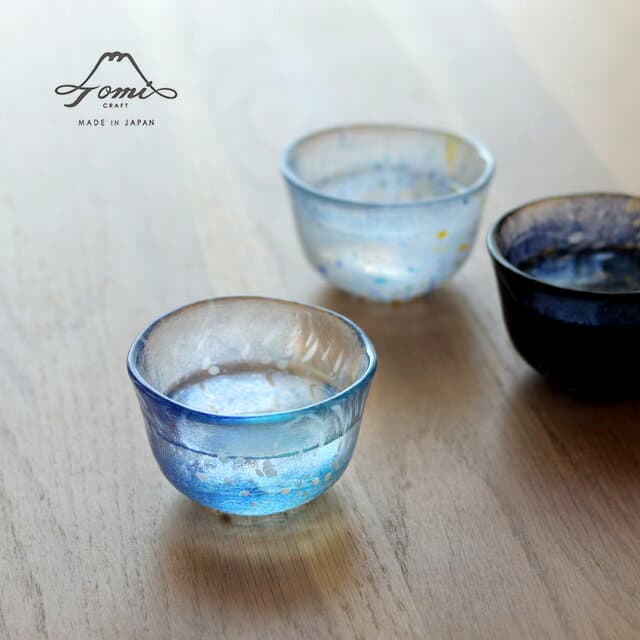
TOMICRAFT 江戸硝子 ちょこ(蕎麦猪口 ガラス おしゃれ そば猪口 蕎麦ちょこ 冷茶 和食器 かわいい ガラスボウル お猪口 おちょこ 食器 夏 そうめん 小鉢 ガラス食器 フリーカップ 日本製)
160mlFAVRAS/ファブラス 雑貨&ギフト
4.8 / 5 reviews
First time buying on Rakuten? How residents in Japan order →
Edo Glass belongs to Tokyo, especially the making areas around Sumida, Koto, Edogawa, and nearby wards. Its older Edo setting reaches back to early eighteenth-century Nihonbashi Toishiocho and Asakusa, where Kaguya or Minagawa Kyubei made mirrors and eyeglasses, and Kazusaya Tomesaburo made hairpins and wind chimes. Those small objects bring the craft close to faces, hair, rooms, and moving air before it becomes a larger account of Tokyo industry.
Compiled from public records and official sources; see the recognition links below. Details may change over time.
Where this product is officially registered, designated, or recognized in Japan.
Traditional craft
Designated a Traditional Craft (dentō kōgeihin) by Japan's Ministry of Economy, Trade and Industry.
Sources1
It is written as 江戸硝子 in Japanese. Search Rakuten and other Japanese sites with that spelling — the English name will not bring up the listings.
Edo Glass is a Tokyo glass craft centered on Sumida, Koto, Edogawa, and nearby wards. Its older Edo setting includes early eighteenth-century Nihonbashi Toishiocho and Asakusa, with objects such as mirrors, eyeglasses, hairpins, and wind chimes. The craft also includes tableware, bottles, thermometers, hydrometers, vases, tumblers, plates, paperweights, ornaments, and technical vessels. Its defining practice is hand forming, with a craftsperson exhibition begun in 2003 to show and refine forming skills.
Edo Glass is mainly associated with Tokyo's Sumida, Koto, Edogawa, and nearby wards. Early Edo glassmaking is tied to Nihonbashi Toishiocho for mirrors and eyeglasses and to Asakusa for hairpins and wind chimes. Historical Edo Glass uses include daily tableware, bottles, thermometers, and hydrometers. Edo Glass forming methods listed in exhibition contexts include free-blowing, mold-blowing, pressing, stretching, casting, composite work, and other techniques.
Edo Glass vases are used as flower vessels for interior display. Some Edo Glass items serve as scientific, medical, or industrial glassware, such as thermometers and hydrometers. Smaller Edo Glass pieces are used as decorative objects, including ornaments and paperweights.
Porous earthenware is usually given a "medome" treatment first — simmer it gently in rice-rinsing water (or water with a little flour), then cool, rinse, and air-dry. This reduces staining and odour absorption. Porcelain normally just needs a wash. Follow the listing where it says otherwise.
Handmade earthenware, pieces with gold or silver overglaze, and lacquerware generally should not go in a dishwasher, microwave, or heated drying cabinet; heat-resistant porcelain usually can. Check the Rakuten listing for the specific piece.
Most options are shelf-stable, boxed, and travel well, so they suit gifting or bringing home. Confirm the final storage and delivery terms on the Rakuten listing.
On Rakuten: the shops listed here right now are e雑貨屋楽天市場店, FAVRAS/ファブラス 雑貨&ギフト. We don't sell directly; purchase, payment, stock, and delivery are all handled on the Rakuten product page.