 3 images
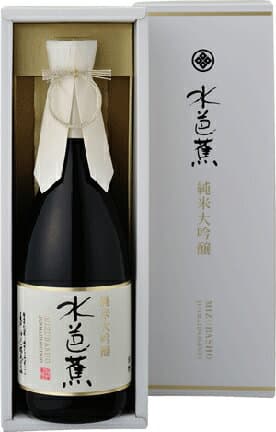
父の日ギフト 期間限定 ポイント2倍 対象 永井酒造 日本酒 群馬 地酒 水芭蕉 純米大吟醸 720ml 専用箱入り 熨斗 熨斗名入れ フリーメーッセージ ギフト プレゼント 清酒 【楽ギフ_包装】【楽ギフ_のし】【楽ギフ_のし宛書】【楽ギフ_メッセ入力】
まじめ酒屋 【日本酒 焼酎】
5.0 / 1 reviews
¥4,000
View on Rakuten →Japanese · new tab
Tone-Numata is presented here as a Japanese seishu sake family tied to Gunma through the supplied regional name, 利根沼田. The strongest place connection in the evidence is the official GI reference to Tone-Numata itself; no specific climate, material, maker, or technique details are provided.
Information updated 61 days ago
3 imagesまじめ酒屋 【日本酒 焼酎】
5.0 / 1 reviews
¥4,000
View on Rakuten →Japanese · new tab
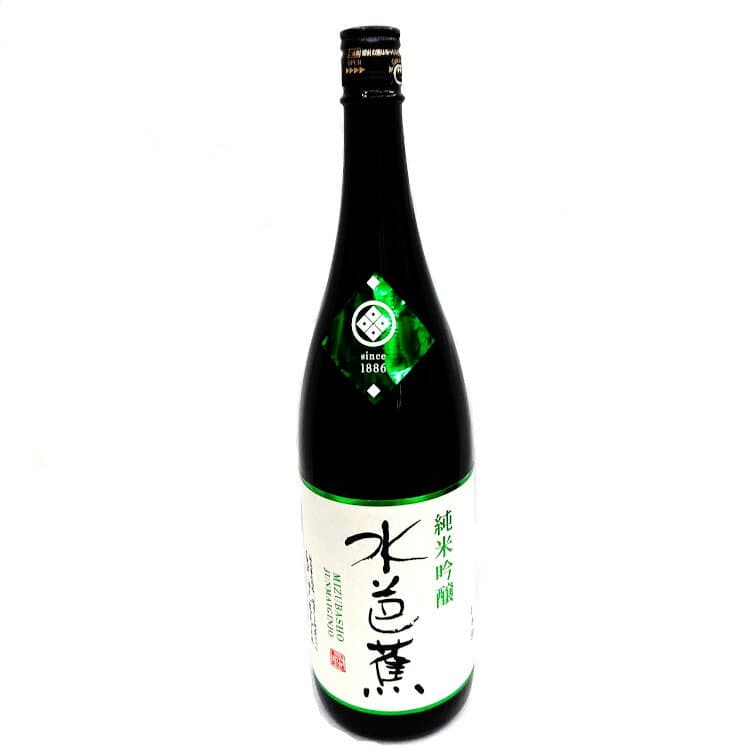
酒処 ほりえ酒店
4.8 / 5 reviews
¥3,630
View on Rakuten →Japanese · new tab
 3 images
まじめ酒屋 【日本酒 焼酎】
5.0 / 1 reviews
¥1,815
View on Rakuten →Japanese · new tab
Tone Numata sake comes from the Tone Numata area of northern Gunma Prefecture. The area sits between the Hotaka and Tanigawa mountains of the Mikuni range and volcanic mountains such as Nikko-Shirane, Akagi, and Asama. About 150,000 years ago, ancient Lake Numata left layers of sand, gravel, and mud-gravel; rain and snowmelt pass through those layers to become river water and underground water. That soft water, together with severe winter cold, is tied to the sake’s transparent taste, pale-gold clarity, and clean finish.
Tone Numata’s regional profile begins with named terrain: Hotaka and Tanigawa to the north, with Nikko-Shirane, Akagi, and Asama among the volcanic mountains to the south. Sediment from ancient Lake Numata formed river terraces, and water moving through sand, gravel, and mud-gravel layers brings abundant river water and underground water.
The cold winter climate matters as well. In this part of Gunma, severe winter cold and soft water together create conditions associated with sake brewing and with the clear, clean impression of Tone Numata sake. Place is present here as mountains, lakebed layers, water movement, and winter temperature.
Tone Numata sake centers on a clear, pale-gold crystal color. The soft water that passes through ancient lakebed layers is linked to transparency in both color and flavor, so water becomes part of the drink’s texture before rice and yeast begin their work in fermentation.
On the palate, bright acidity and a light bitterness with umami appear first, followed by the round sweetness and savoriness of local rice. A clean alcohol finish keeps the impression restrained, leaving a transparent outline even when the flavor has depth.
The materials are tightly named: rice and koji rice come from regional harvests of Yukihotaka, Gohyakumangoku, or Koshihikari; water is collected within the area; yeast is Gunma KAZE, Gunma G2, or strains collected and cultured locally. Clear sake, as a category, is made by fermenting and filtering rice, rice koji, and water.
Those names make local production concrete. Yukihotaka, Gohyakumangoku, and Koshihikari define the rice side; Gunma KAZE and Gunma G2 define the yeast side; local water and locally cultured yeast tie the breweries to nearby fields and water veins.
Full-scale sake brewing in the Tone Numata area appears from the Edo period. In 1809, the area had 26 sake brewers and a brewer association; later, Echigo toji were central, while present breweries use owner-toji and employee-toji systems.
Continuity here is named work. Local toji regularly exchange research on yeast, rice suited to that yeast, and accumulated brewing methods. The link between people and technique appears in rice handling, starter preparation, fermenting mash, and the shared effort around local rice and yeast.
The aroma begins with rice, like freshly pounded mochi. Yeast-derived notes include grapefruit, white peach, yellow apple, banana, melon, lychee, almond-tofu nuance, grass, and fresh greenery; a faint bitterness in the finish tightens the acidity and umami.
That bitterness and acidity connect with spring vegetables harvested in the area, including fukinoto and tara no me. Amino acids in Tone Numata sake are also described as working with umami from animal protein in pork, beef, and chicken dishes, giving both mountain vegetables and meat dishes a clear place at the table.
Tone Numata sake joins northern Gunma’s mountain terrain, ancient Lake Numata layers, soft water, named rice such as Yukihotaka and Gohyakumangoku, Gunma KAZE and Gunma G2 yeasts, and toji exchange. Its flavor can be read from pale-gold clarity to rice sweetness, fruit-like aroma, a lightly bitter finish, and pairings with fukinoto, tara no me, pork, beef, and chicken dishes.
Compiled from public records and official sources; see the recognition links below. Details may change over time.
Where this selection is officially registered, designated, or recognized in Japan.
Geographical Indication (GI)
Registered under Japan's Geographical Indication Protection System, run by the Ministry of Agriculture, Forestry and Fisheries.
Sources1
Sake is damaged by light and heat, so keep it dark and cool. Namazake and namazume must stay refrigerated throughout, and any bottle should be refrigerated and finished within a few days of opening. Serving temperature is a matter of style rather than rule — ginjo types show their aroma best chilled (around 10°C), while junmai types are fuller warmed to 40–50°C. We don't sell alcohol; purchase and age verification happen on the Rakuten listing.
利根沼田 is a sake & spirits from Gunma. We compile its regional connection and characteristics against official registries, local sources, and live Rakuten listings.
This is a temperature- or fragility-sensitive item — before travelling, confirm refrigerated/frozen delivery, packaging, and arrival dates on the Rakuten listing. For gifts, prefer shelf-stable, boxed options.
We don't sell directly. This page compiles Rakuten listings and affiliate links; purchase, payment, stock, and delivery all happen on the Rakuten listing.