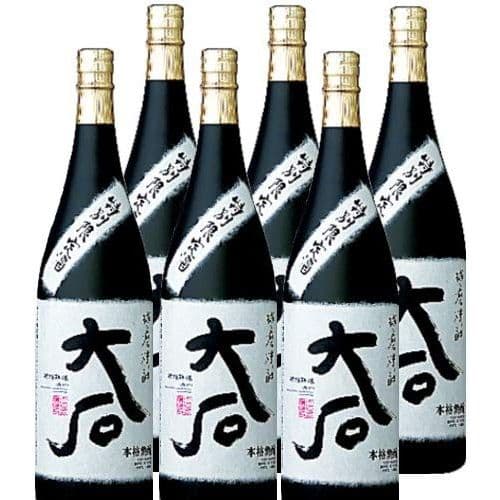
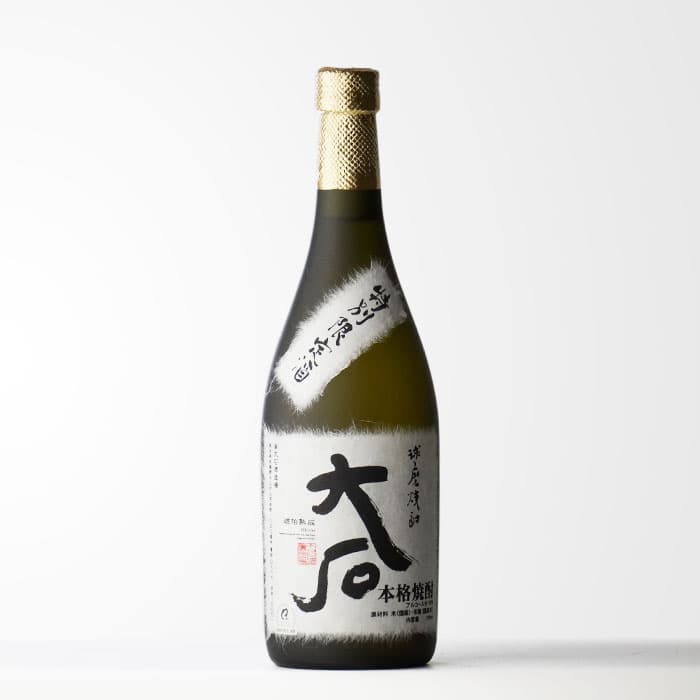
大石 特別限定酒 箱入 琥珀熟成 1800ml×6本 父の日 ギフト 球磨焼酎 送料無料
創業明治元年の酒店 いけださかや
5.0 / 11 reviews
¥18,500
View on Rakuten →Japanese · new tab
Kuma is a Kumamoto regional shochu product family. The supplied official GI evidence identifies the place name “球磨,” supporting its regional tie, though the snippets do not specify climate, materials, history, or production technique.
Information updated 64 days ago
創業明治元年の酒店 いけださかや
5.0 / 11 reviews
¥18,500
View on Rakuten →Japanese · new tab
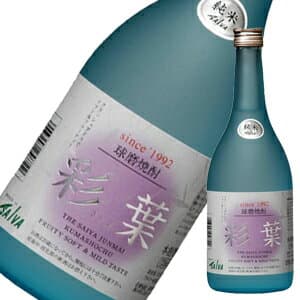
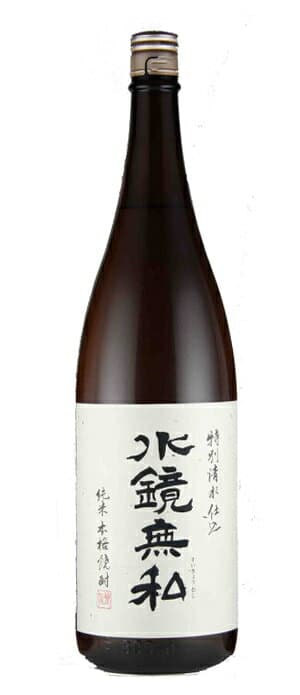 3 images
焼酎・芋焼酎 酒鮮市場!
4.4 / 8 reviews
¥2,970
View on Rakuten →Japanese · new tab
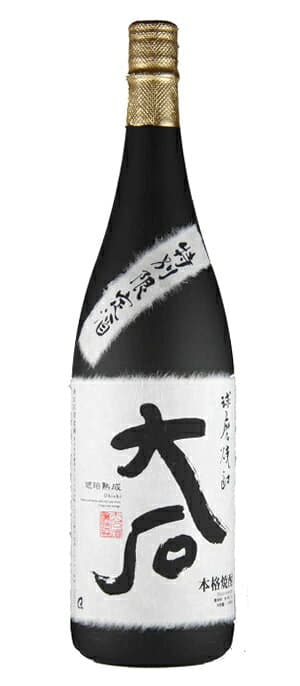 3 images
焼酎・芋焼酎 酒鮮市場!
4.9 / 11 reviews
¥3,905
View on Rakuten →Japanese · new tab
 3 images
酒シンドバッド楽天市場店
4.6 / 10 reviews
¥1,798
View on Rakuten →Japanese · new tab
 3 images
万屋ふるさと
4.3 / 85 reviews
¥2,590
View on Rakuten →Japanese · new tab
Kuma shochu begins in Hitoyoshi-Kuma at the southern end of Kumamoto. The basin sits within the Kyushu mountains, rice fields spread around the Kuma River, and strong temperature differences support rice growing. Today, 27 breweries and more than 200 labels keep this rice-based honkaku shochu family varied while holding it close to the same basin.
Hitoyoshi-Kuma lies at the southern end of Kumamoto, surrounded by the Kyushu mountains. The Kuma River runs through the basin, rice fields spread nearby, and the sharp temperature changes of the basin climate are described as part of the land that supports rice growing.
The local character of Kuma shochu is concrete: a southern Kumamoto basin, rice fields around the Kuma River, clean water, and rice used for honkaku shochu. These place details keep the drink from becoming an abstract regional label. They put the first emphasis on land, crop, water, and brewing.
Kuma shochu is a rice-based honkaku shochu tied to the Hitoyoshi-Kuma area. Its place name carries protected-origin context, which is useful because it points back to a boundary made of rice-growing land, local water, and breweries rather than to a loose image of Kumamoto.
That boundary becomes easier to feel through ordinary nouns: rice, clean water, toji work, 27 breweries, and more than 200 labels. The family has varied tastes and aromas because many breweries work within the same regional name instead of making one uniform expression.
Kumamoto traces rice-shochu making in this area to the Muromachi period and describes the continuity as about 500 years. Here, tradition means a long practice of making rice shochu in Hitoyoshi-Kuma, continued brewery work, and toji methods that keep taste differences alive.
The Kuma Shochu Makers' Association gives this continuity a modern outline. Its predecessor organization began in 1923, later changed form and name, moved to Fumoto-machi in Hitoyoshi, and now continues with 27 member breweries.
The region still has 27 breweries, and the labels number more than 200. Those figures turn Kuma shochu from a single product name into a community of makers working across one basin.
The labels should not be flattened into one flavor. A more precise way to read them is as many expressions of Kuma River basin rice, water, and brewery technique. The same regional name holds a range of tastes and aromas made by different breweries.
In Hitoyoshi-Kuma, Hakutake Denshogura presents Kuma shochu through production-process displays, a hall, a gallery, and tasting spaces. The displays move rice shochu from the cup back toward the place where raw material, process, aroma, and local history meet.
A brewery-tourism council formed in March 2020 links breweries with local stays and transport. In that setting, travel is tied to streets, the river, rice fields, and brewery doors in Hitoyoshi-Kuma, giving the drink a route through the landscape rather than isolating it from the basin.
The Kuma Shochu Makers' Association presents Kuma shochu as a drink that brings out the flavor of good food. That pairing idea returns the shochu to the table, where taste and aroma are felt beside meals as well as inside tasting spaces.
Around Hakutake Denshogura, the surrounding area introduces food and town settings in Hitoyoshi. When Kuma shochu is placed beside food, its background remains concrete: Kuma River water, rice-growing land in Hitoyoshi-Kuma, 27 breweries, and the ongoing work of rice-shochu making.
Kuma shochu is best understood from the Hitoyoshi-Kuma basin outward: the Kyushu mountains, Kuma River, rice fields, rice, clean water, and a community of breweries. About 500 years of rice-shochu making, 27 breweries, and more than 200 labels keep this family present in local meals, exhibition spaces, and brewing work today.
Compiled from public records and official sources; see the recognition links below. Details may change over time.
Where this selection is officially registered, designated, or recognized in Japan.
Geographical Indication (GI)
Registered under Japan's Geographical Indication Protection System, run by the Ministry of Agriculture, Forestry and Fisheries.
Sources1
Sake is damaged by light and heat, so keep it dark and cool. Namazake and namazume must stay refrigerated throughout, and any bottle should be refrigerated and finished within a few days of opening. Serving temperature is a matter of style rather than rule — ginjo types show their aroma best chilled (around 10°C), while junmai types are fuller warmed to 40–50°C. We don't sell alcohol; purchase and age verification happen on the Rakuten listing.
球磨 is a sake & spirits from Kumamoto. We compile its regional connection and characteristics against official registries, local sources, and live Rakuten listings.
Most options are shelf-stable, boxed, and travel well, so they suit gifting or bringing home. Confirm the final storage and delivery terms on the Rakuten listing.
We don't sell directly. This page compiles Rakuten listings and affiliate links; purchase, payment, stock, and delivery all happen on the Rakuten listing.