![鍋敷き 鍋しき / 山形鋳物 鋳心ノ工房 渦輪 [ 南部鉄器 鍋敷き 鍋しき 鍋敷 なべしき ポットスタンド おしゃれ 北欧 ]【ゆうパケット対応可】[ゆうパケット 1/1]](/_next/image?url=https%3A%2F%2Fthumbnail.image.rakuten.co.jp%2F%400_mall%2Fauc-designshop%2Fcabinet%2F2146000000188.jpg&w=3840&q=75) 3 images
3 images鍋敷き 鍋しき / 山形鋳物 鋳心ノ工房 渦輪 [ 南部鉄器 鍋敷き 鍋しき 鍋敷 なべしき ポットスタンド おしゃれ 北欧 ]【ゆうパケット対応可】[ゆうパケット 1/1]
designshop
3.0 / 2 reviews
¥5,280
View on Rakuten →Japanese · new tab
Yamagata is presented here as a regional clear sake family. The supplied official GI evidence ties the name directly to Yamagata, making the place connection explicit, while the provided terms identify the product as seishu, or Japanese sake.
Information updated 60 days ago
3 imagesdesignshop
3.0 / 2 reviews
¥5,280
View on Rakuten →Japanese · new tab
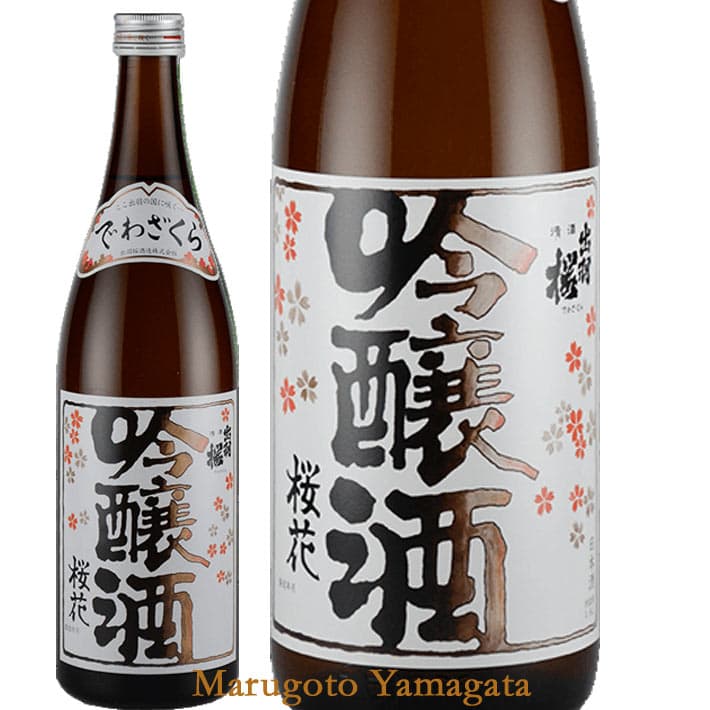
まるごと山形
5.0 / 4 reviews
¥1,650
View on Rakuten →Japanese · new tab
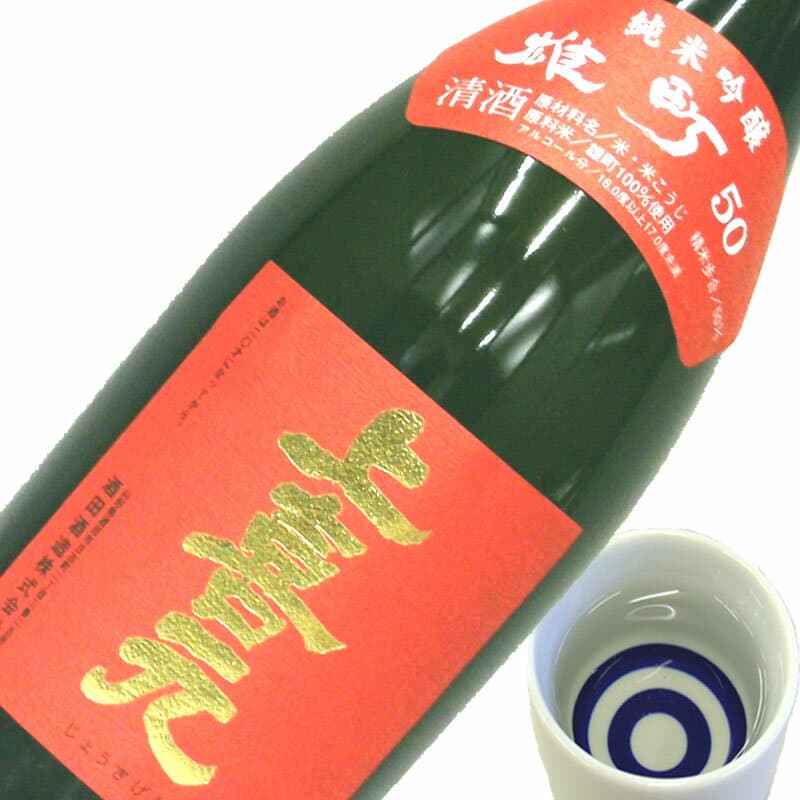
まるごと山形
5.0 / 5 reviews
¥3,850
View on Rakuten →Japanese · new tab
 3 images
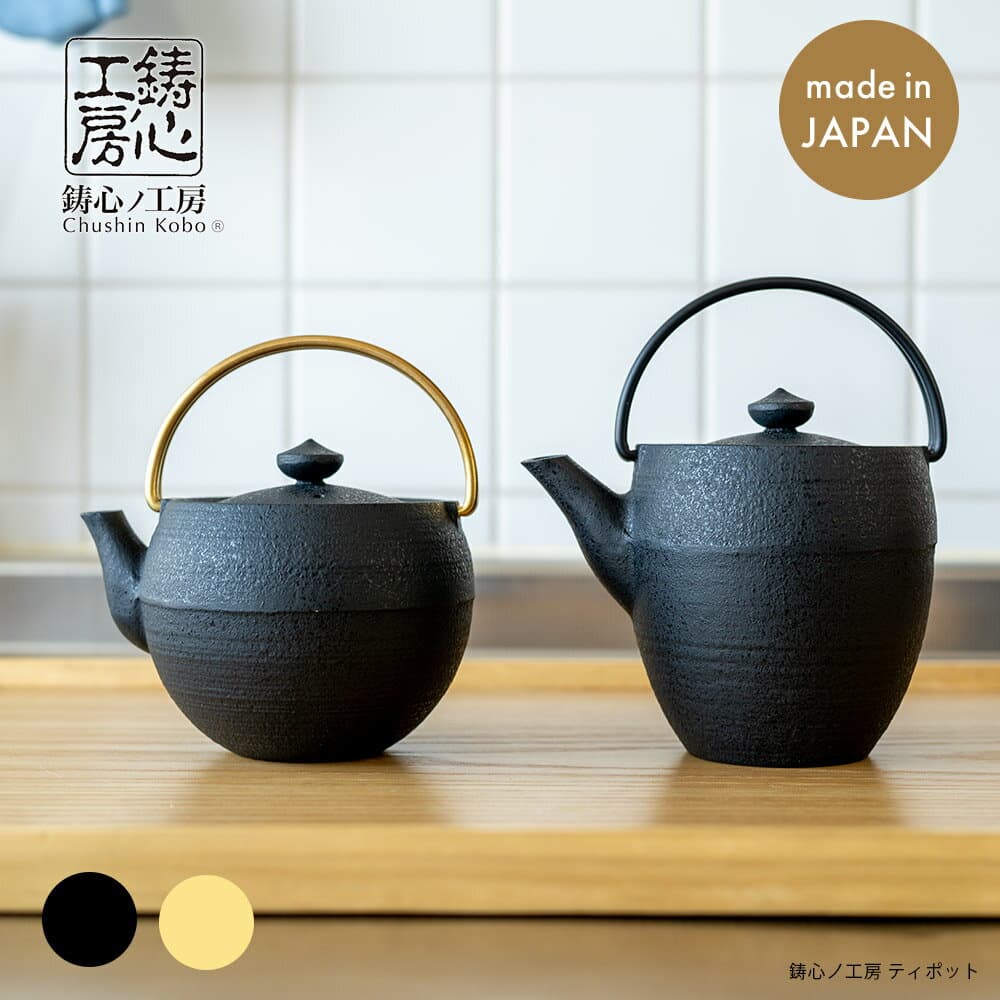
\今だけ!スーパーSALE限定クーポン配布中/鋳心ノ工房 ティポット 山形鋳物 急須 緑茶 鉄瓶 日本製 1-2人用
for 1-2 peopleCRAFT STORE 楽天市場店
5.0 / 1 reviews
¥16,500
View on Rakuten →Japanese · new tab
 3 images
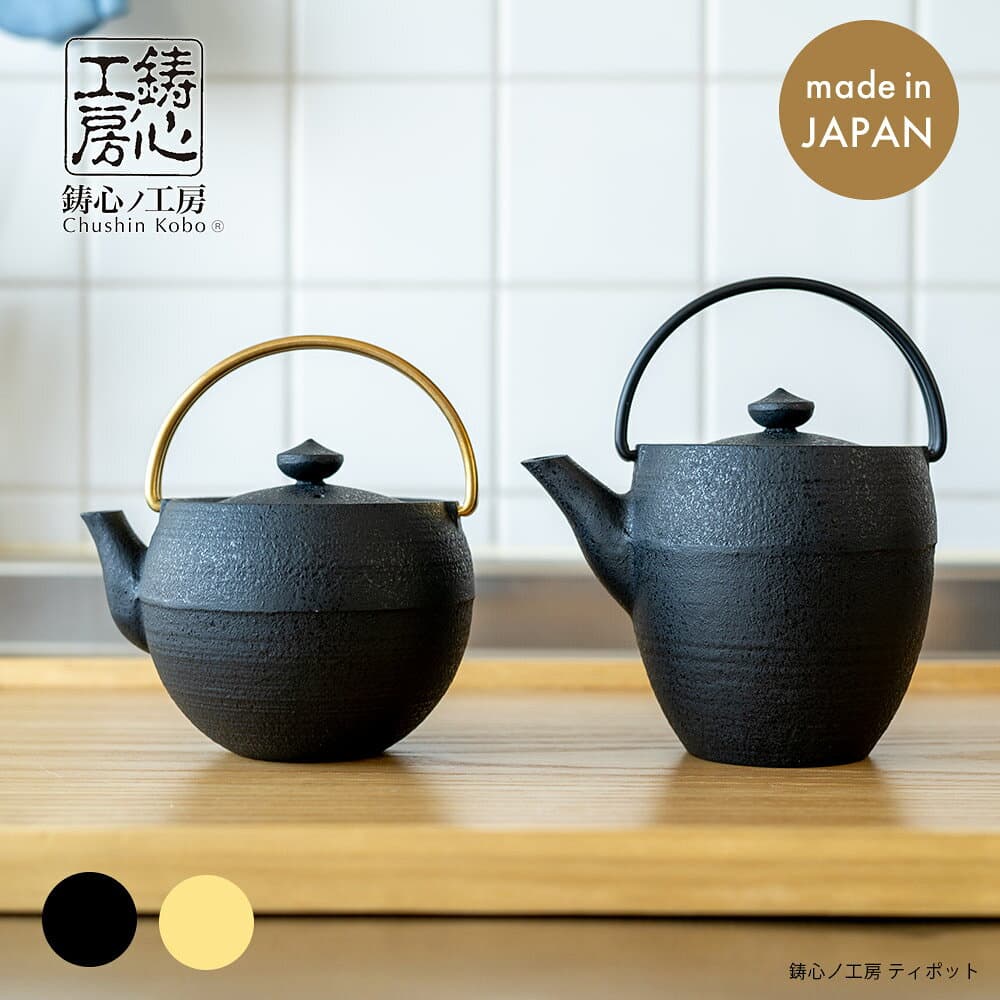
イエノLabo.
5.0 / 1 reviews
¥16,500
View on Rakuten →Japanese · new tab
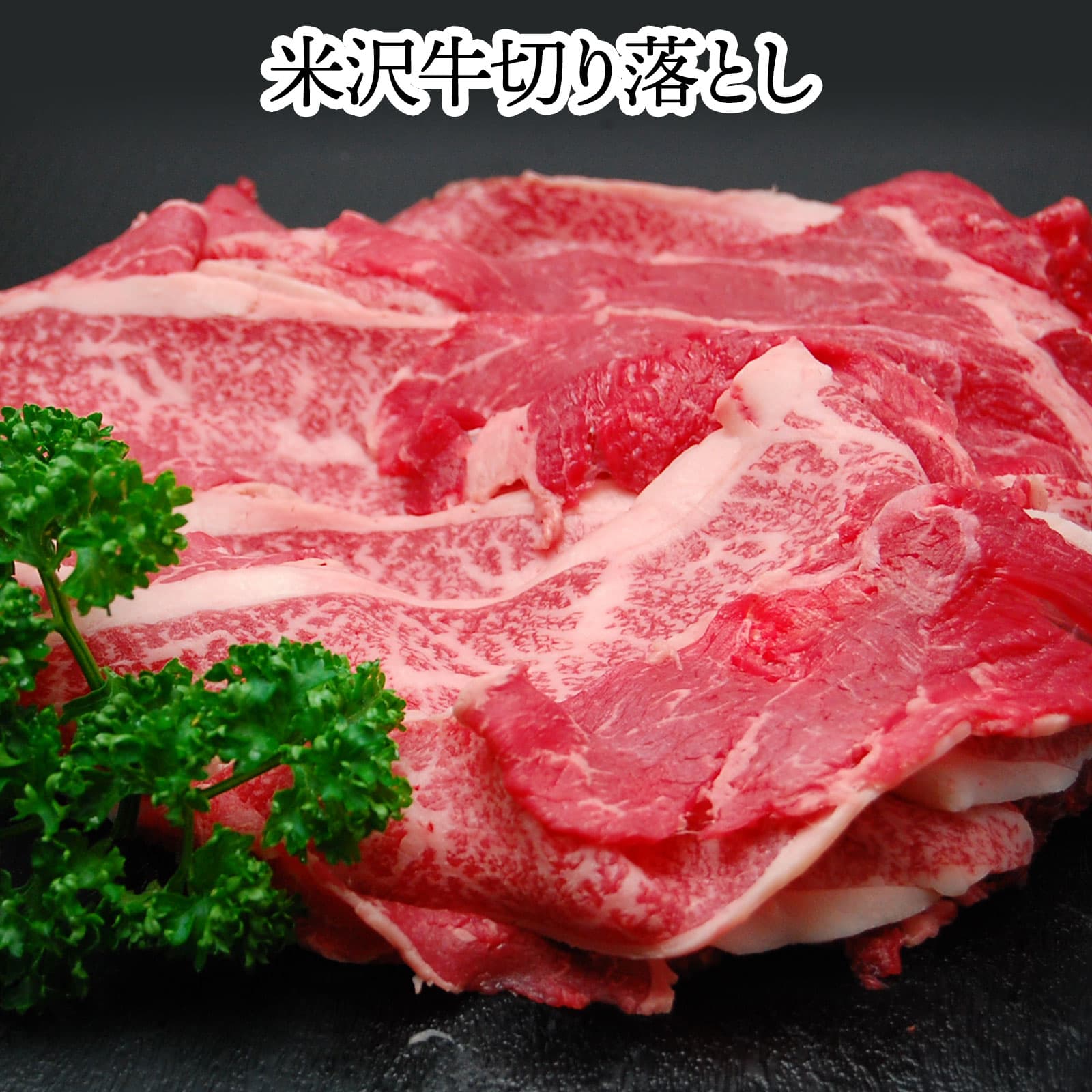 3 images
【送料無料】米沢牛切り落とし 【冷凍便】| 父の日 2026 和牛 ブランド牛 米沢牛 牛肉 黒毛和牛 松阪牛 近江牛 神戸牛 但馬牛 飛騨牛 山形牛 御贈答 ギフト プレゼント 内祝い 御祝
米沢牛専門店さかの楽天市場店
4.6 / 96 reviews
¥3,980
View on Rakuten →Japanese · new tab
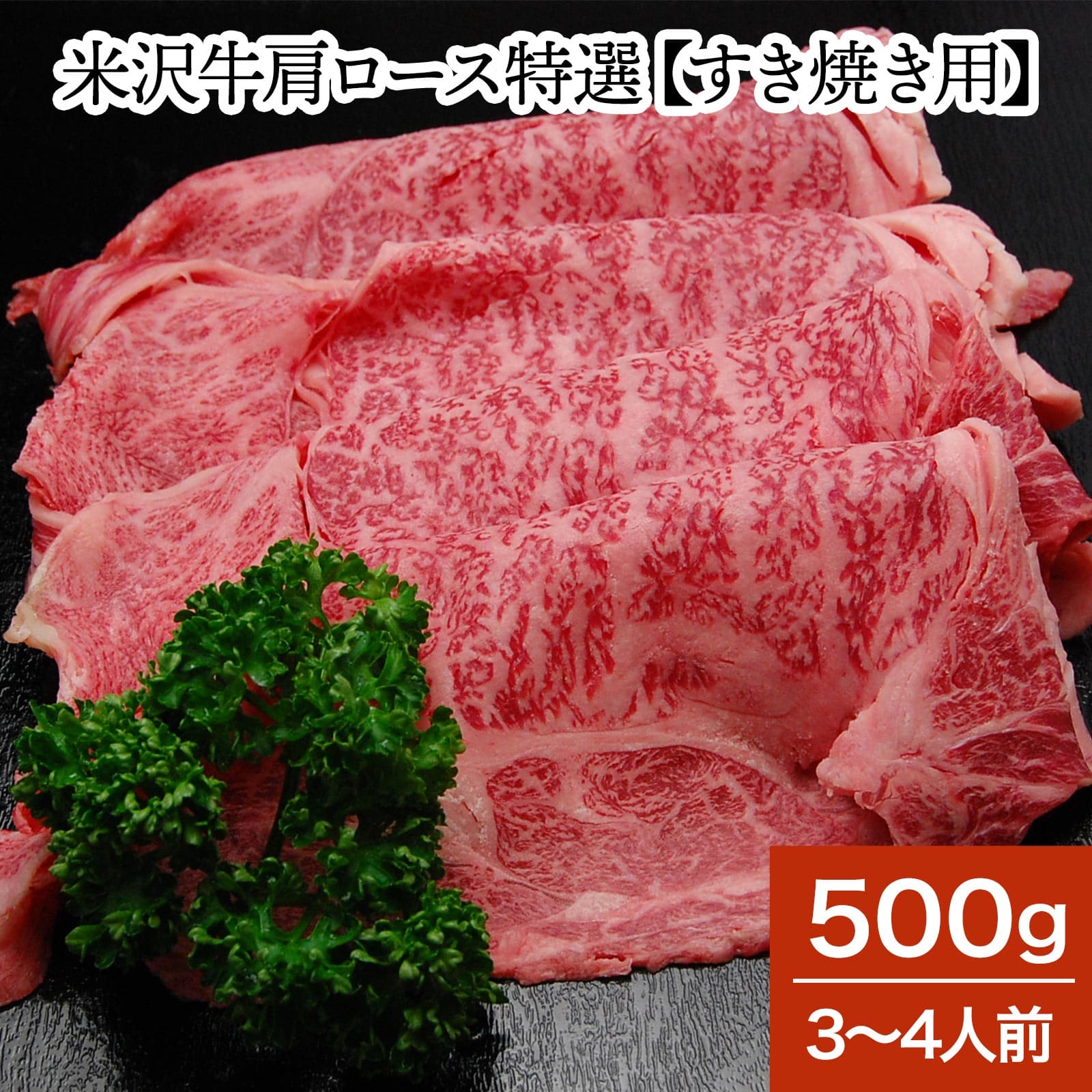 3 images
米沢牛肩ロース特選【すき焼き用】500g(3〜4人前)【冷蔵便】| 父の日 2026 和牛 ブランド牛 米沢牛 牛肉 黒毛和牛 松阪牛 近江牛 神戸牛 但馬牛 飛騨牛 山形牛 御贈答 ギフト プレゼント 内祝い 御祝
500g (3-4 servings)米沢牛専門店さかの楽天市場店
4.8 / 41 reviews
¥10,000
View on Rakuten →Japanese · new tab
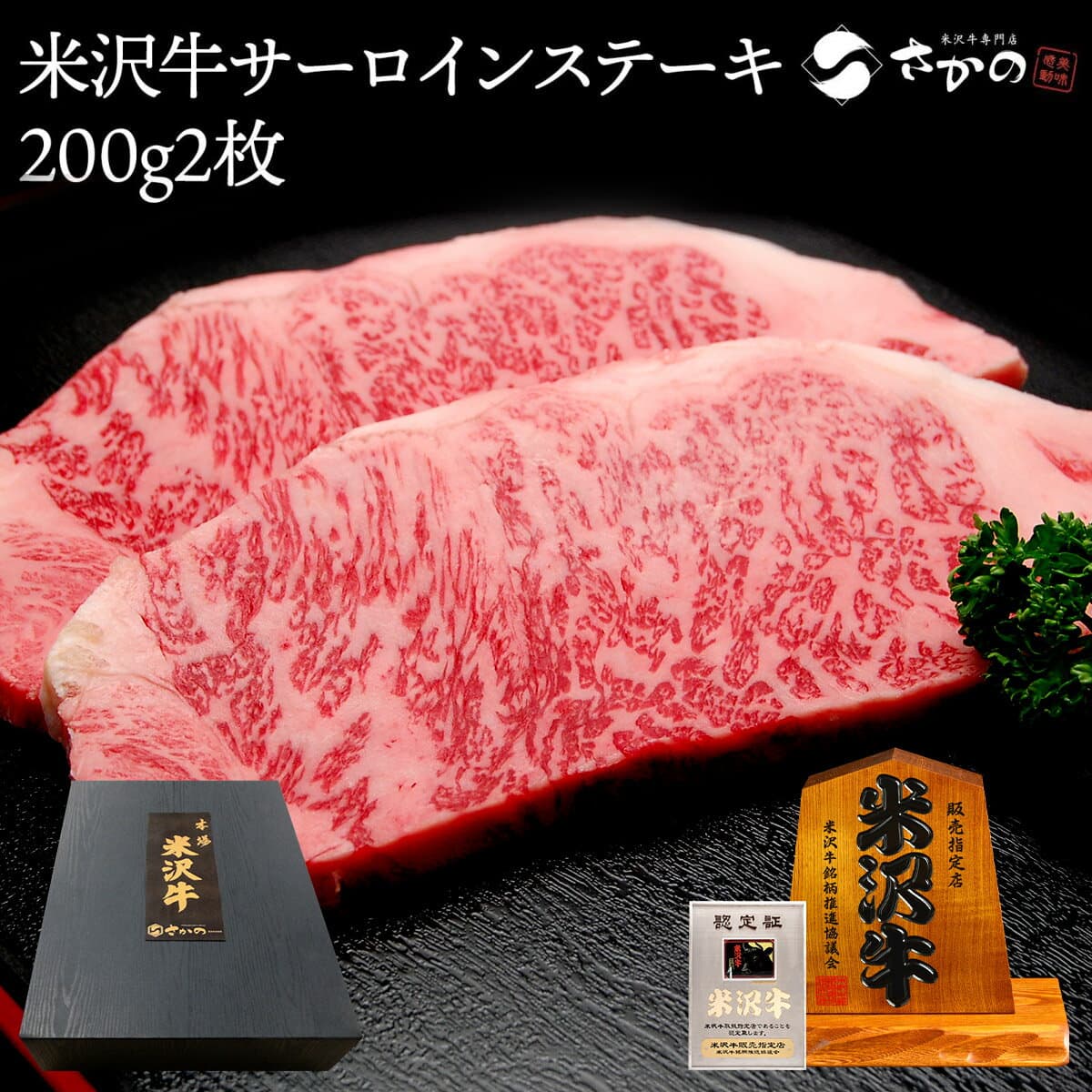 3 images
米沢牛専門店さかの楽天市場店
4.8 / 4 reviews
¥12,500
View on Rakuten →Japanese · new tab
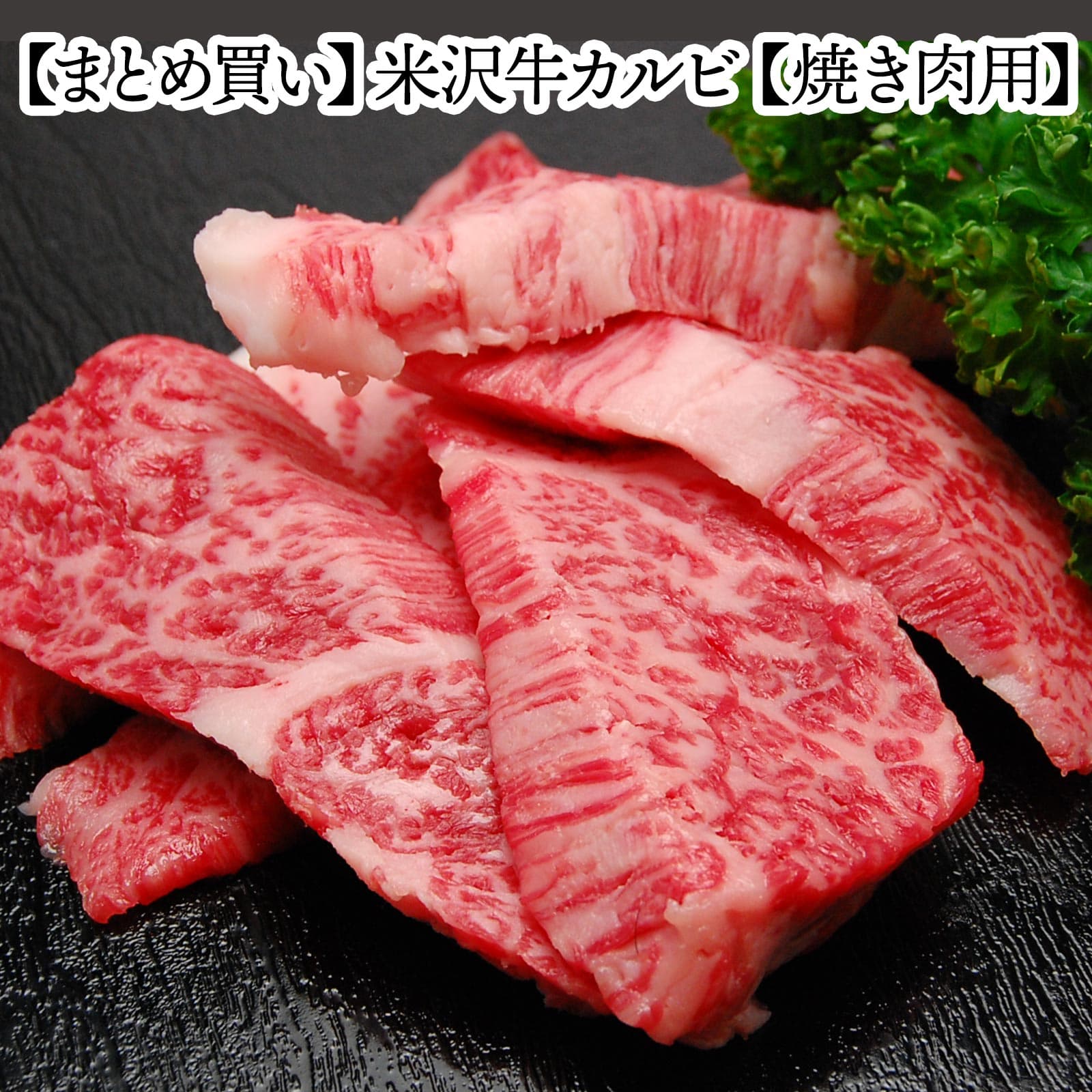 3 images
米沢牛専門店さかの楽天市場店
4.2 / 36 reviews
¥3,900
View on Rakuten →Japanese · new tab
 3 images
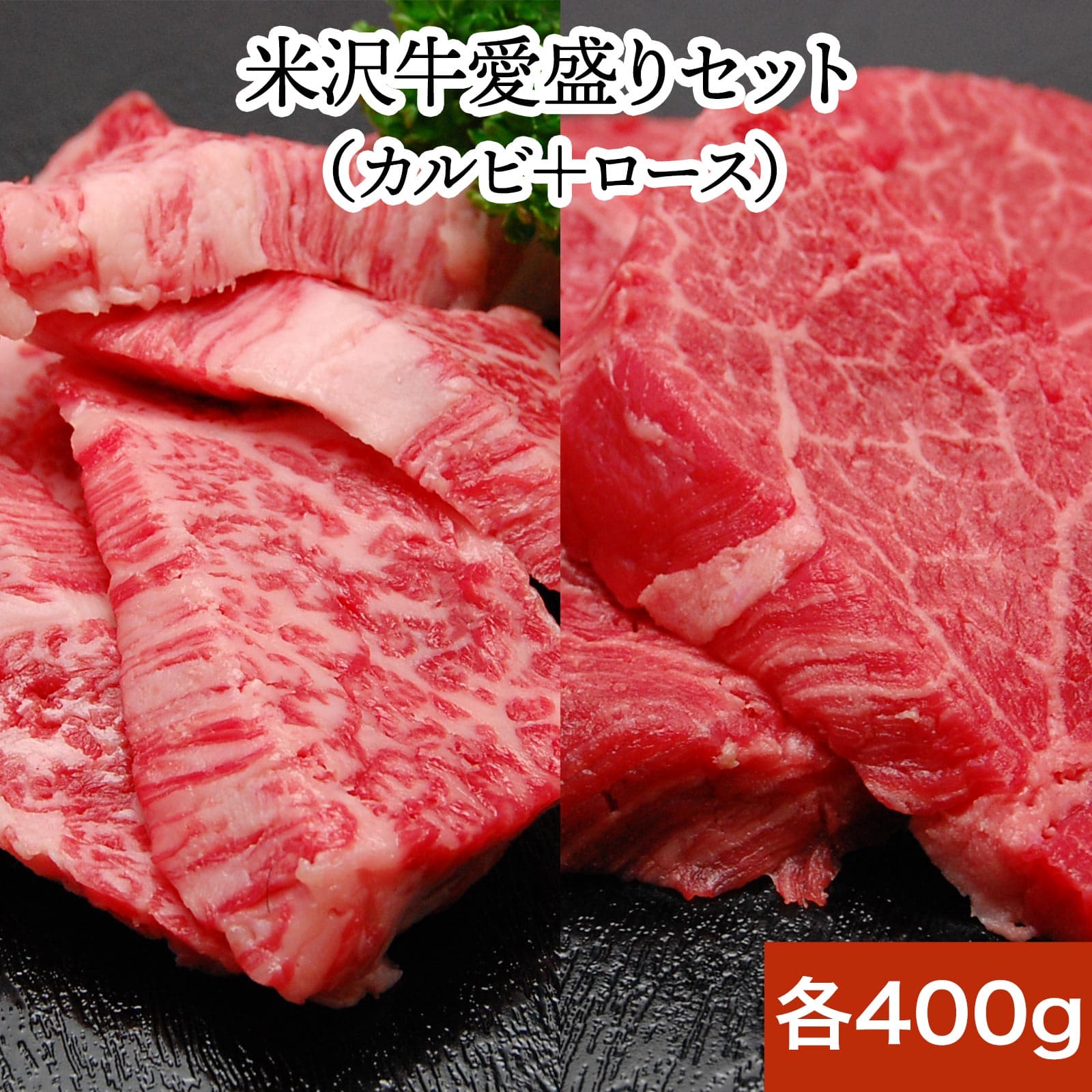
米沢牛焼き肉愛盛りセット 焼肉のタレ甘口180ml付き | 父の日 2026 和牛 ブランド牛 米沢牛 牛肉 黒毛和牛 松阪牛 近江牛 神戸牛 但馬牛 飛騨牛 山形牛 御贈答 ギフト プレゼント 内祝い 御祝
Kalbi 400g + loin (round) 400g, sweet sauce 180ml米沢牛専門店さかの楽天市場店
4.4 / 39 reviews
¥8,500
View on Rakuten →Japanese · new tab
 3 images
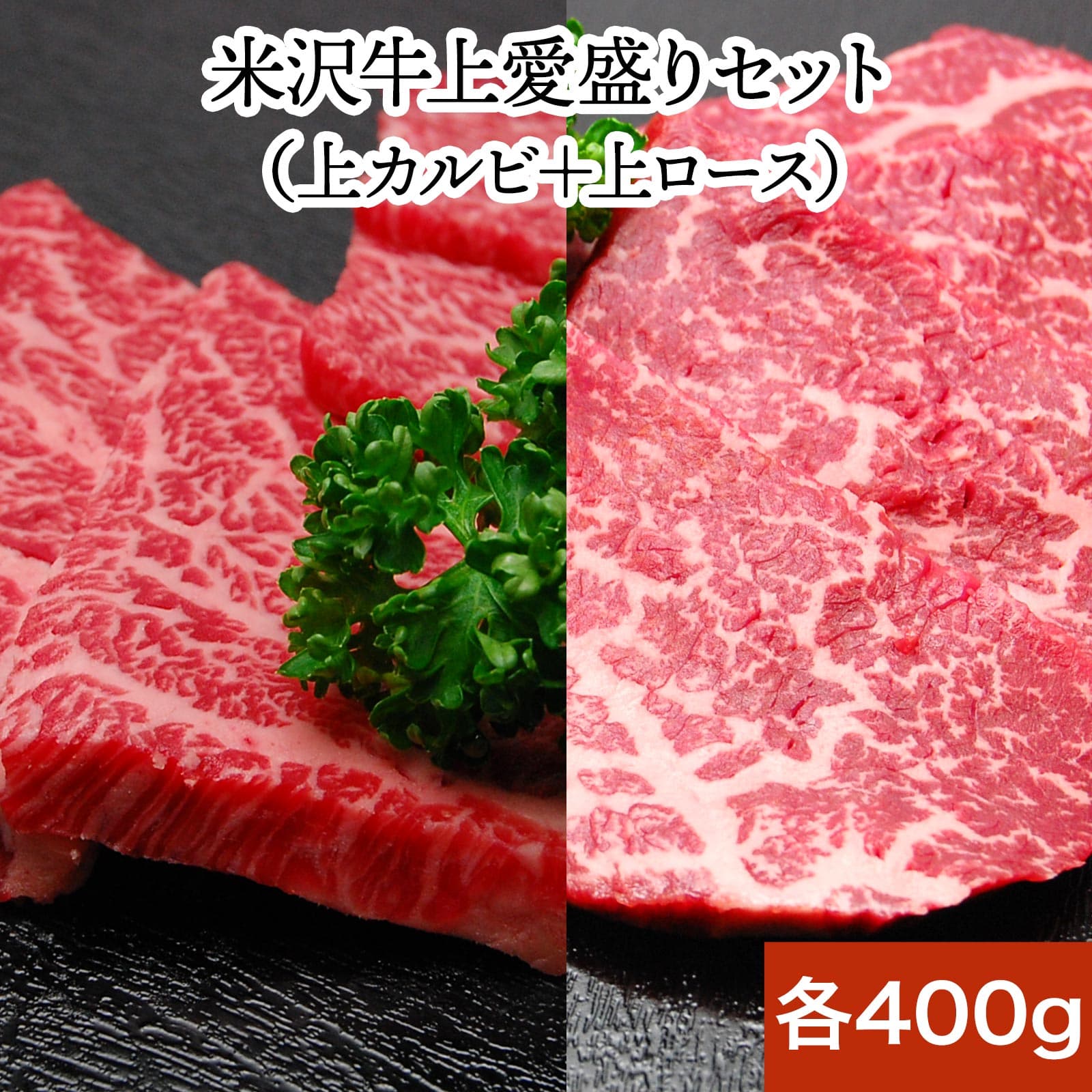
米沢牛専門店さかの楽天市場店
4.5 / 4 reviews
¥11,000
View on Rakuten →Japanese · new tab
 3 images
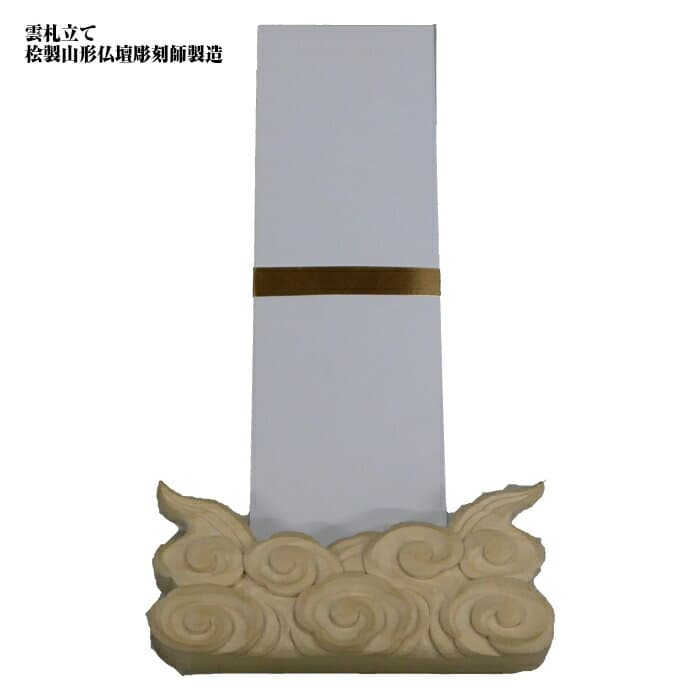
お札立て 雲 小 日本製 桧製 手造り 送料無料 メール便 手作り 山形仏壇 雲 神棚 お札立て モダン 彫刻 御札立 天然木 御札 置き型 お札入れ 新生活 ご祈祷札 賃貸
Smallすとう楽天市場店
¥16,800
View on Rakuten →Japanese · new tab
 3 images
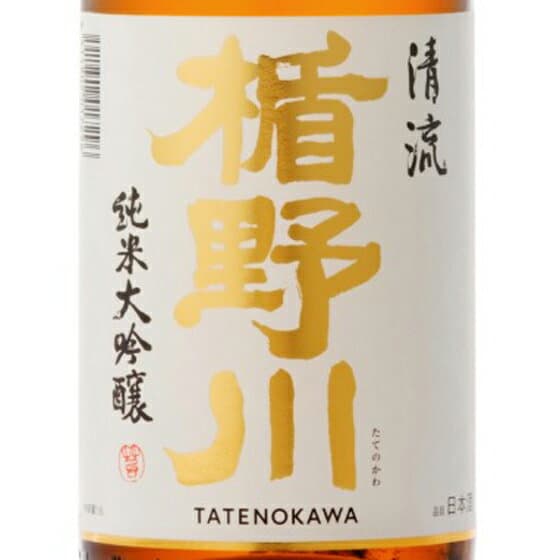
酒楽SHOP
4.7 / 231 reviews
¥4,180
View on Rakuten →Japanese · new tab
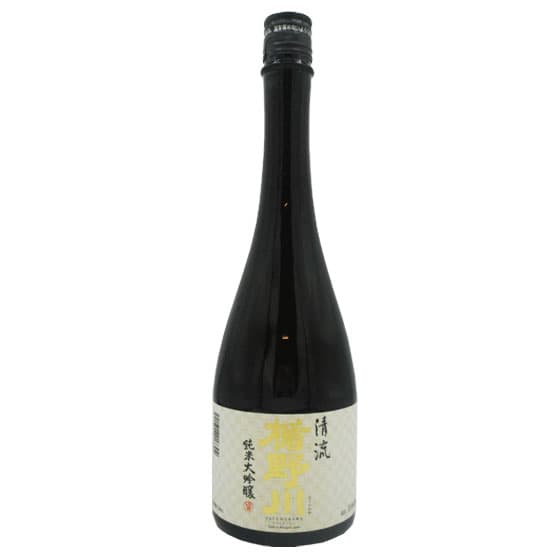 3 images
酒楽SHOP
4.4 / 54 reviews
¥2,420
View on Rakuten →Japanese · new tab
![鍋敷き 鍋しき / 山形鋳物 鋳心ノ工房 角寄せ [ 南部鉄器 鍋敷き 鍋しき 鍋敷 なべしき ポットスタンド おしゃれ 北欧 ]【ゆうパケット対応可】[ゆうパケット 1/1]](/_next/image?url=https%3A%2F%2Fthumbnail.image.rakuten.co.jp%2F%400_mall%2Fauc-designshop%2Fcabinet%2F2146000000201.jpg&w=3840&q=75) 3 images
3 imagesdesignshop
5.0 / 2 reviews
¥5,280
View on Rakuten →Japanese · new tab
 3 images
1093(とくさん)楽天市場店
4.8 / 16 reviews
¥1,620
View on Rakuten →Japanese · new tab
Yamagata sake begins at prefecture scale. Breweries in Murayama-Mogami, Shonai, Okitama, and other areas work with mountain waters, snowy winters, rice-growing land, and low-temperature fermentation. Ginjo gives the region a recognizable outline, while local toji, Yamagata-bred sake rice, and sake made for nearby drinkers bring that outline back to fields, water, breweries, and the cup.
Yamagata breweries are distributed across the prefecture. Murayama-Mogami, Shonai, and Okitama share the same regional name, yet each area brings its own water, climate, and brewery practice into the brewing room. The product family is best read as a map of places, with mountain waters, rice fields, and brewery techniques appearing in different combinations.
That spread gives Yamagata sake many expressions. Some breweries use newer brewing equipment, while others continue older handwork; different waters, makers, and techniques keep the prefecture-wide community varied while breweries push quality forward together.
Mountain systems including Chokai, Asahi, and Gassan bring different water qualities into Yamagata brewing. In the brewery, water is a working material: it meets rice, climate, yeast choices, and technique, helping shape the aroma, texture, and clarity of each local sake.
Winter cold also enters the brewing rhythm. Snow, clean mountain water, forests, rice-growing land, and low winter temperatures belong to the Yamagata brewing environment; in long, low-temperature fermentation, those conditions help explain the region’s soft and transparent sake profile.
Yamagata is strongly associated with ginjo sake, and the regional brewing association identifies a high shipment share of premium sake, especially ginjo, as one of its traits. That trait does not reduce the region to one flavor: Yamagata sake is often described as soft and transparent, while its many breweries still show distinctive tastes.
The local cup matters as well. Yamagata breweries have continued making sake loved by people in the prefecture, so ginjo and junmai daiginjo sit beside a continuing everyday drinking context close to home.
Sake rice gives Yamagata sake a concrete route into place. The prefecture developed Dewa Sansan in 1995, Dewa no Sato in 2005, and Yuki Megami in 2015; because sake-rice varieties influence taste and aroma, those three names help readers follow differences within the Yamagata family.
Yuki Megami makes the link between rice breeding and daiginjo brewing especially clear. Developed for daiginjo, it is tied to conditions such as 100% Yuki Megami, Yamagata yeast, daiginjo or junmai daiginjo style, and a polishing ratio of 50% or less; rice, yeast, and polishing become traceable local details.
The continuity of Yamagata brewing appears in its people and organizations. Many local toji serve as brewery owners or company employees, keeping technical responsibility inside the local brewery setting; the Yamagata Kenjokai, established in 1987, created a shared place for research, development, and technical learning.
Rice growers follow a similar pattern of shared work through regional sake-rice study groups and exchanges with breweries. A grain from the field becomes part of Yamagata sake only after cultivation, steaming, fermentation, polishing choices, and brewery judgment.
The Yamagata name also has a concrete production boundary. Since 2016, the protected Yamagata name has required domestic rice, water collected within Yamagata Prefecture, and brewing, storage, and bottling inside the prefecture; for the drinker, the place name is tied to fields, water, breweries, and the final container.
That boundary makes the sensory clues easier to follow. Breweries in Murayama-Mogami, Shonai, and Okitama; waters from Chokai, Asahi, and Gassan; and rice names such as Dewa Sansan, Dewa no Sato, and Yuki Megami turn Yamagata from a map label into brewing details that can be traced in the cup.
A glass of Yamagata sake brings together repeated links across the prefecture: winter cold, mountain water, rice fields, local toji, the Kenjokai, and sake-rice study groups. The region’s ginjo reputation is grounded in the materials and decisions faced by breweries across Murayama-Mogami, Shonai, Okitama, and the wider prefecture: water from the mountains, rice from the fields, and technique accumulated among breweries and growers.
Compiled from public records and official sources; see the recognition links below. Details may change over time.
Where this selection is officially registered, designated, or recognized in Japan.
Geographical Indication (GI)
Registered under Japan's Geographical Indication Protection System, run by the Ministry of Agriculture, Forestry and Fisheries.
Sources1
Sake is damaged by light and heat, so keep it dark and cool. Namazake and namazume must stay refrigerated throughout, and any bottle should be refrigerated and finished within a few days of opening. Serving temperature is a matter of style rather than rule — ginjo types show their aroma best chilled (around 10°C), while junmai types are fuller warmed to 40–50°C. We don't sell alcohol; purchase and age verification happen on the Rakuten listing.
山形 is a sake & spirits from Yamagata. We compile its regional connection and characteristics against official registries, local sources, and live Rakuten listings.
This is a temperature- or fragility-sensitive item — before travelling, confirm refrigerated/frozen delivery, packaging, and arrival dates on the Rakuten listing. For gifts, prefer shelf-stable, boxed options.
We don't sell directly. This page compiles Rakuten listings and affiliate links; purchase, payment, stock, and delivery all happen on the Rakuten listing.