 3 images
Akizuki Kariya Pears from Sakata, Shonai, Yamagata
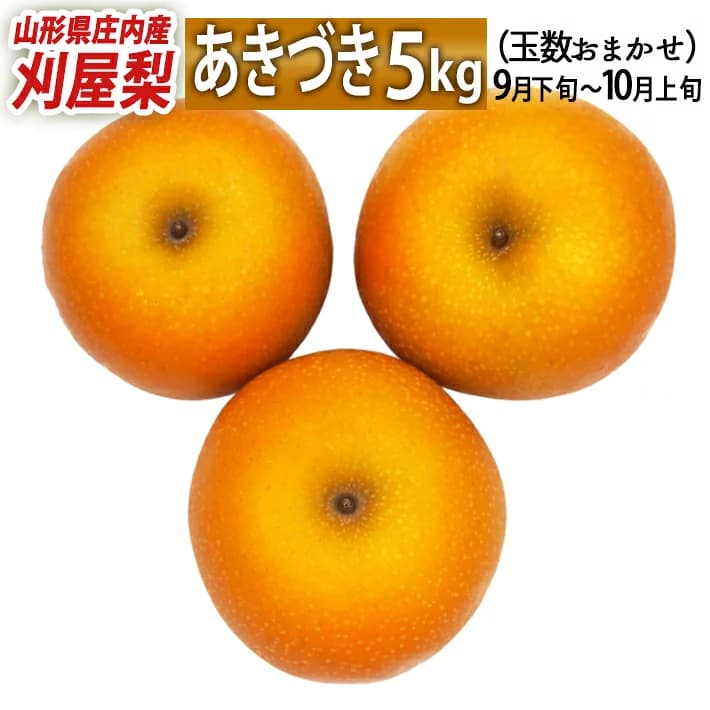
9月下旬〜10月15日頃お届け 山形県庄内酒田市産 刈屋梨 秋月(あきづき) 約5kg 玉数おまかせ 生産元直送の為同梱不可 希少な和梨 人気の品種
Approx. 5 kg, count variesまるごと山形
4.0 / 4 reviews
Japanese name刈屋梨
Kariya pears from Yamagata's Mogami riverbank soil — coming into season in early autumn.
In Sakata City’s Kariya district, Kosui, Hosui, and other pears take their local character from river-deposited soil, sun, wind, and a year of orchard work before late-summer picking begins.
Information last updated 7 days ago
3 images9月下旬〜10月15日頃お届け 山形県庄内酒田市産 刈屋梨 秋月(あきづき) 約5kg 玉数おまかせ 生産元直送の為同梱不可 希少な和梨 人気の品種
Approx. 5 kg, count variesまるごと山形
4.0 / 4 reviews
 3 images
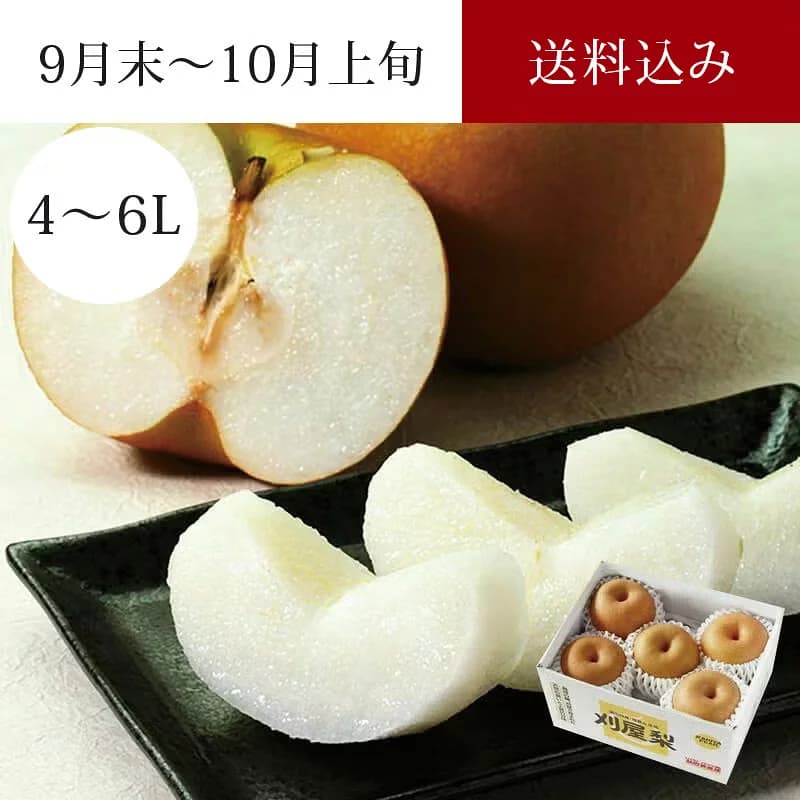
《まだ間に合う》特選刈屋梨 あきづき 3~5玉 約2kg 9月末~10月上旬お届け ( 送料無料 梨 ナシ 和梨 秋月 産地直送 果物 旬 フルーツ ギフト 贈り物 贈答 お取り寄せ 山形県 庄内 酒田 )
4L-6L, 3-5 pears (approx. 2kg)清川屋 特産品・フルーツ王国
4.7 / 7 reviews
 3 images
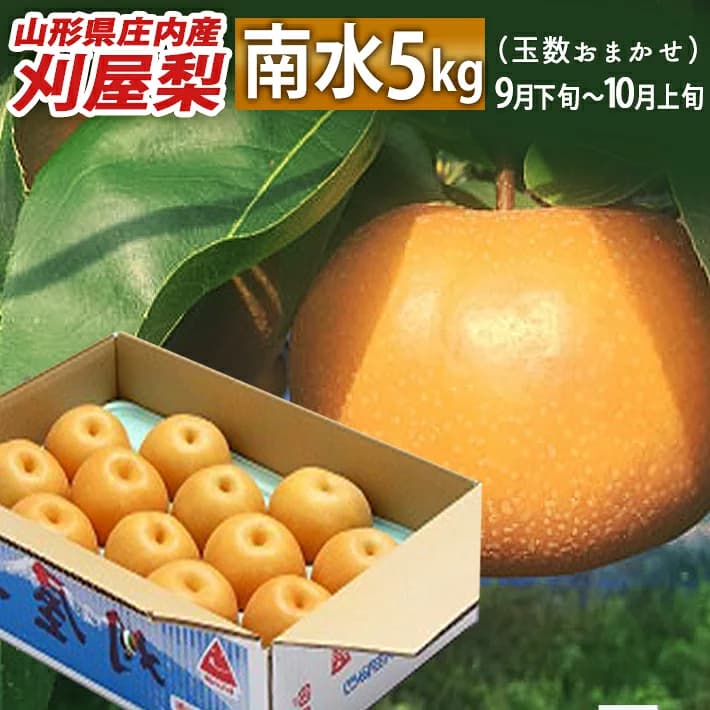
9月下旬〜10月中旬ごろお届け 和梨 刈屋梨 南水 なんすい 約5kg 玉数おまかせ 山形県庄内酒田市産 生産元直送の為同梱不可
Approx. 5 kg, fruit count variesまるごと山形
4.9 / 12 reviews
 3 images
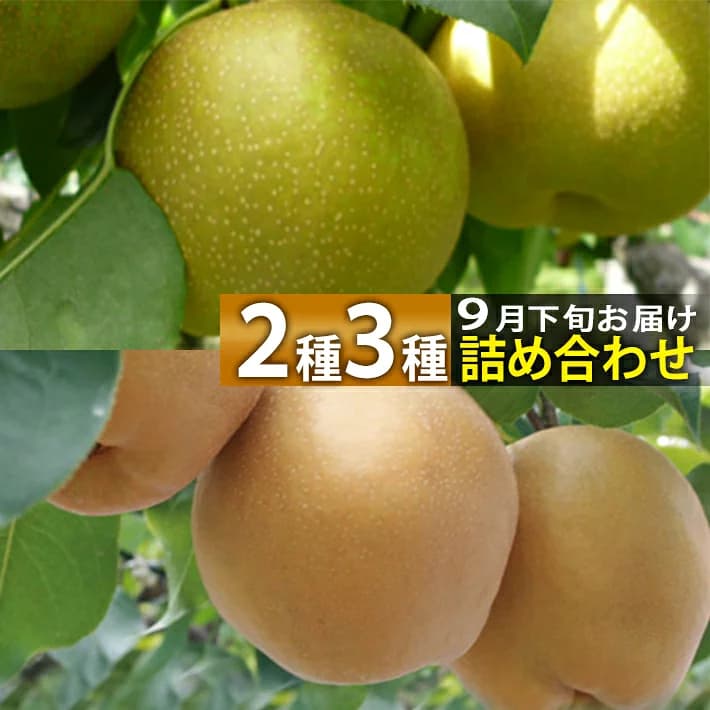
和梨 9月下旬〜11月上旬頃発送予定 山形県庄内酒田市産 刈屋梨 2種3種詰め合わせセット 約5kg 玉数おまかせ 生産元直送の為同梱不可 旬の和梨を食べ比べ
2-3 varieties, approx. 5 kgまるごと山形
4.6 / 11 reviews
 3 images
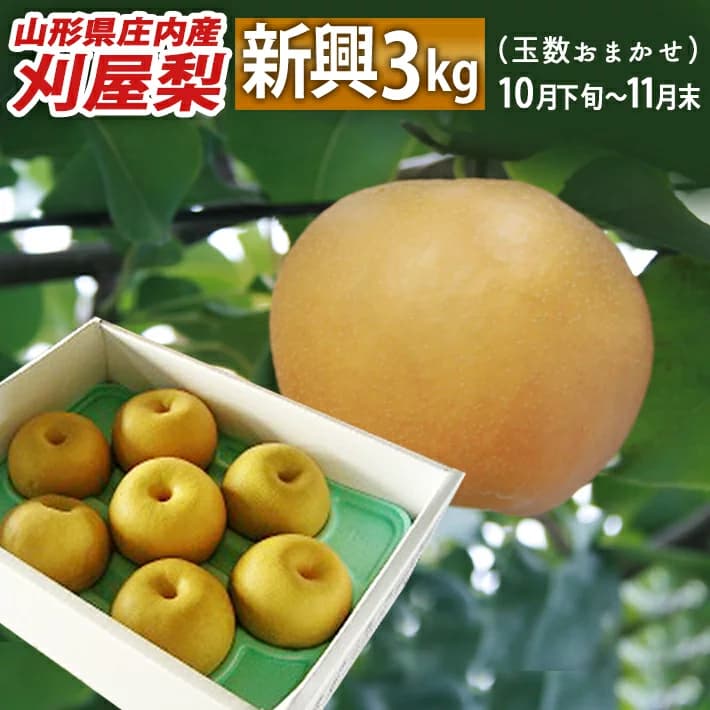
和梨 10月下旬〜11月上旬頃お届け 山形県庄内酒田市産 刈屋梨 新興(しんこう)約3kg 玉数おまかせ 生産元直送の為同梱不可 希少な和梨
approx. 3kg, count variesまるごと山形
4.8 / 4 reviews
First time buying on Rakuten? How residents in Japan order →
All 5 listings of this product on Rakuten, lowest price first.
| Listing | Price | Shop | Reviews | Open listing |
|---|---|---|---|---|
Special Selection Kariya Akizuki Japanese Pears 4L-6L, 3-5 pears (approx. 2kg)Lowest priceGift-ready | ¥4,380 | 清川屋 特産品・フルーツ王国 | 4.7 / 7 reviews | View on Rakuten → |
Kariya Nashi Shinko Japanese Pears from Sakata, Yamagata approx. 3kg, count varies | ¥5,346 | まるごと山形 | 4.8 / 4 reviews | View on Rakuten → |
Akizuki Kariya Pears from Sakata, Shonai, Yamagata Approx. 5 kg, count varies | ¥6,534 | まるごと山形 | 4.0 / 4 reviews | View on Rakuten → |
Kariya Pear Nansui Japanese Pears from Sakata, Yamagata Approx. 5 kg, fruit count variesMost reviewed | ¥6,534 | まるごと山形 | 4.9 / 12 reviews | View on Rakuten → |
Kariya Pear Assortment from Sakata, Shonai, Yamagata 2-3 varieties, approx. 5 kgSmall size to try | ¥6,534 | まるごと山形 | 4.6 / 11 reviews | View on Rakuten → |
Japanese · new tab
Kariya pears begin with a place name in Sakata City, Yamagata Prefecture. Around the settlements of Kariya, Higashimura, and Myojoji, orchards spread near the meeting of the Nikko and Arase rivers, which flow down from the Chokai mountain system and have left fertile deposits through repeated flooding. The pears are not defined by a rare cultivar. Familiar varieties such as Kosui, Hosui, and Shinsui become Kariya pears when grown in this district, where they are known for fragrance, sweetness, crisp bite, and abundant juice.
Kariya pear is a place-bound name for pears grown in Sakata City’s Kariya district, not the name of one cultivar. Local descriptions name settlements such as Kariya, Higashimura, and Myojoji, and the protected boundary points to pears produced in Kariya, Sakata City. A tourism feature explains the name broadly: Japanese pears and Western pears grown in the district may both be called Kariya pears, while common Japanese pear varieties include Kosui, Hosui, and Shinsui.
The orchards sit near the confluence of the Nikko and Arase rivers, two waterways connected with the Chokai mountain system. Repeated flooding left nutrient-rich soil, and local accounts also mention west winds, sun exposure, and pear fields running along the river. In spring, the orchards show white pear blossoms; later in the season, soil, light, and wind become part of the daily conditions around swelling Kosui and Hosui fruit.
The repeated sensory language for Kariya pears is concrete: fragrant sweetness, crisp texture, and plenty of juice. Kosui is described as sweet, juicy, and crisp. Hosui is harvested after Kosui and brings a more noticeable acidity, which gives it a different appeal for people who like a sweet-tart balance. One orchard interview also names Akizuki and Nansui, but the wider Kariya pear story most often returns to Kosui and Hosui as late-summer and autumn mainstays.
Pear growing in the Kariya area reaches back to the Meiji period. One local account says Chojuro pears were planted around 1897 near the Nikko and Arase river confluence, while another places the beginning of planting in early Meiji. Chojuro remained important in the district for a long time, then from the 1970s the main focus moved toward the Sansui group: Kosui, Hosui, and Shinsui. Today, Kosui and Hosui are the varieties most often named as the main pears of Kariya.
The work behind Kariya pears begins well before fruit picking. Around October and November, growers prune the trees; after the new year come training, bud thinning, pollination, spraying, fruit thinning, mowing, shoot management, and care for supports and insect nets. Another local account describes hand pollination that selects flowers in better positions for sun and nutrients. This work continues toward harvest from mid-August, tying fruit size, sweetness, texture, and timing to repeated orchard tasks.
When harvest season arrives, the fruit becomes part of the late-summer landscape around Sakata. Local descriptions place direct-sale stands around the Toyokawa area, with Mount Chokai in the background and flags moving in the wind as people come for freshly picked pears. The broader season is described from late August to around October. In that span, Kariya pears carry the cool juice of a fresh pear, the snap of a crisp bite, and the memory of orchards stretched along two rivers.
Kariya pears are shaped by a specific district and a repeated orchard rhythm: Sakata City’s Kariya area, the Nikko and Arase rivers, fertile soil connected with the Chokai mountain system, and farm work from autumn pruning to harvest from mid-August. Familiar varieties such as Kosui, Hosui, and Shinsui take on local meaning here through soil, light, wind, and careful hands, becoming one of Shonai’s late-summer to autumn fruit tastes.
Compiled from public records and official sources; see the recognition links below. Details may change over time.
Where this product is officially registered, designated, or recognized in Japan.
Regional collective trademark
Registered as a Regional Collective Trademark with the Japan Patent Office.
Sources1
It is written as 刈屋梨 in Japanese. Search Rakuten and other Japanese sites with that spelling — the English name will not bring up the listings.
Kariya pears are pears grown in the Kariya district of Sakata City, Yamagata Prefecture, around settlements such as Kariya, Higashimura, and Myojoji. Orchards sit near the confluence of the Nikko and Arase rivers, which flow from the Chokai mountain system and have left fertile deposits through flooding. The name covers familiar varieties such as Kosui, Hosui, and Shinsui rather than one rare cultivar, and the pears are described as fragrant, sweet, crisp, and juicy.
Pear growing in the Kariya area dates to the Meiji period, and the main varieties shifted from Chojuro toward Kosui, Hosui, and Shinsui from the 1970s. Kosui is described as sweet, juicy, and crisp, while Hosui is harvested after Kosui and has more noticeable acidity. The orchard year includes pruning, training, bud thinning, pollination, fruit thinning, mowing, shoot management, support and insect-net care, with harvest from mid-August.
Harvest is described as beginning around mid-August, with regional-brand context placing the season from late August to around October; Kosui is sweet, juicy, and crisp, while Hosui has more noticeable acidity after Kosui. Direct-sale stands appear around the Toyokawa area during harvest season, drawing many people seeking freshly harvested pears with Chokai Mountain in the background. When comparing varieties, Kosui is described as sweet, juicy, and crisp or softly fleshed with mild acidity, while Hosui is juicy with stronger sweetness, gentle acidity, and a crunchy texture; Akizuki and Nansui are also mentioned in the farm interview context.
Fresh produce doesn't keep, so start with the grower's note in the box. Most fruit ripens best at room temperature and is at its most fragrant when it is ready to eat; refrigerate only once it is cut or fully ripe, and eat it soon after. Chilling too early stalls ripening and flattens the flavour. Follow the listing and the enclosed note for the specific variety.
Most options are shelf-stable, boxed, and travel well, so they suit gifting or bringing home. Confirm the final storage and delivery terms on the Rakuten listing.
On Rakuten: the shops listed here right now are まるごと山形, 清川屋 特産品・フルーツ王国. We don't sell directly; purchase, payment, stock, and delivery are all handled on the Rakuten product page.