 3 images
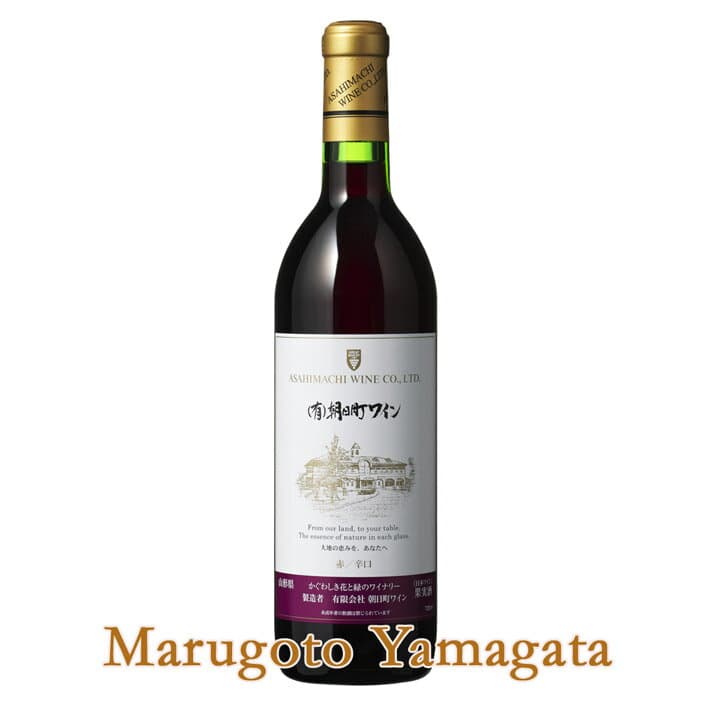
赤ワイン 朝日町ワイン 赤辛口 720ml 山形 GI山形 山形ワイン 日本ワイン 国産ワイン 山形県産
まるごと山形
4.8 / 8 reviews
¥1,419
View on Rakuten →Japanese · new tab
Yamagata Wine is a regional wine, a local alcoholic product family associated with Yamagata. The supplied evidence identifies the product as “山形ワイン”; no specific climate, history, grape material, or technique details are provided, so the place connection should be treated as name- and GI-evidence based rather than elaborated further.
Information updated 60 days ago
3 imagesまるごと山形
4.8 / 8 reviews
¥1,419
View on Rakuten →Japanese · new tab
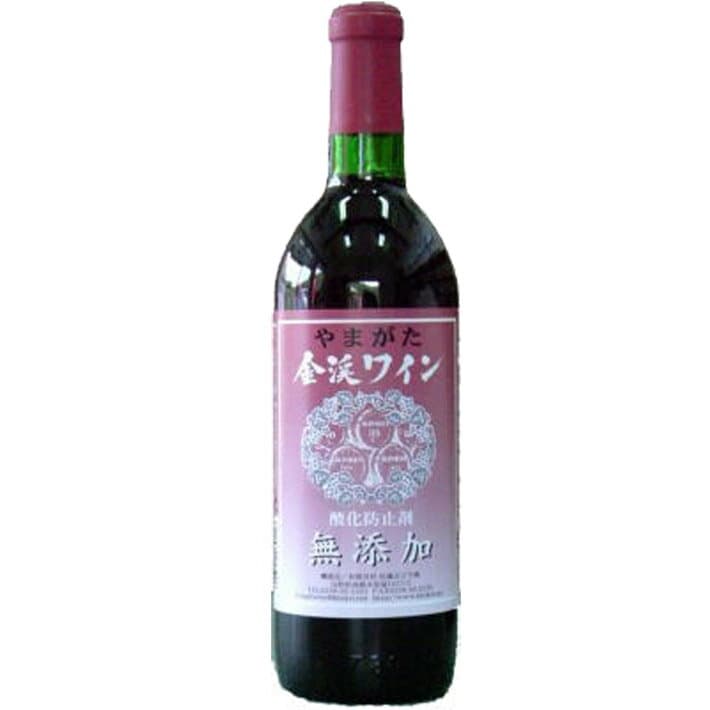
まるごと山形
4.8 / 5 reviews
¥1,672
View on Rakuten →Japanese · new tab
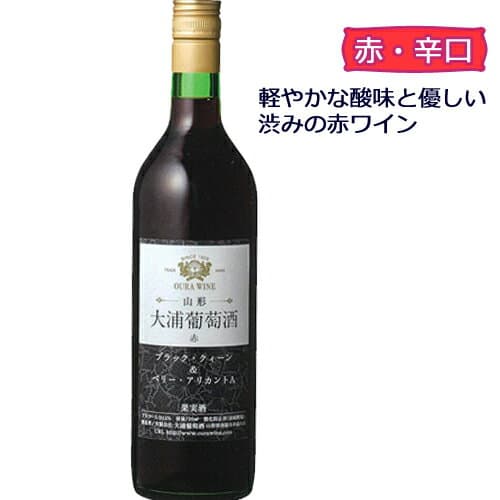
まるごと山形
5.0 / 3 reviews
¥1,771
View on Rakuten →Japanese · new tab
Yamagata wine is easiest to approach through Yamagata Prefecture's fruit-growing land. The Mogami River runs through basins and plains, and wine grapes are grown in Okitama around the Yonezawa Basin, Murayama around the Yamagata Basin, and Shonai on the Shonai Plain. The family takes shape in sloped vineyards, snowy inland winters, summer sunlight, Delaware and Muscat Bailey A, and the twenty-three wineries that make the prefectural community visible.
The landscape follows the Mogami River as it gathers streams from surrounding mountains, runs north through the prefecture, and reaches the Sea of Japan. Wine-grape areas include Okitama, Murayama, and Shonai, where vineyards sit near fruit trees such as cherries, peaches, pears, and apples between plains and uplands. Fruit country becomes concrete in wine through long grape growing, prefecture-grown fruit, and many Japanese wines made from Yamagata grapes.
Many inland winery areas lie in heavy-snow country, while summer brings a hot basin climate. Vineyards are often opened on sloped land along basin edges, where drainage is good; lower rainfall during the growing season, strong summer sunlight, and cool minimum temperatures help wine grapes mature. The local character is physical: water leaving the slope, sunlight on basin vines, cooler nights, and a snowy inland setting working through the fruit.
The grape picture in Yamagata has several lines. Muscat Bailey A is the most-produced black grape, accounting for about three-tenths of black-grape production, while Merlot and Cabernet Sauvignon have also increased. Delaware is the leading white grape, with its cultivation area estimated as Japan's largest. For wine use, growers value seeded Delaware grown without gibberellin treatment because it is better suited to winemaking than seedless table grapes. Chardonnay, European varieties in Kaminoyama, and growing areas such as Takahata and Asahi Town add more local footholds.
Local winemaking reaches back to the mid-Meiji period, with Akayu in 1892 making that Okitama place name important to Yamagata's early wine landscape. Later came phylloxera damage, a turn toward Delaware grapes, and postwar demand for sweet fruit wine. After that demand declined from the 1960s, smaller wineries moved more clearly toward fuller wine production and European-variety cultivation. The Yamagata Prefecture Wine Brewers Association, established in 1984, and the young grape-wine producing-area study group that began in 2008 show how individual cellars became part of a wider prefectural network.
The regional community is visible in twenty-three wineries across Yamagata, with names connected to places and producers such as Takahata, Sakai, Asahi Town, Tendo, Gassan, and Kaminoyama. It also appears at the table: Yamagata Vindage brings Yamagata wines together with food that suits them, restaurant visits, and chances for drinkers to meet winery participants. In that setting, wine points back to grapes, meals, place names, and the people who work with them.
The Yamagata place name also has a shared boundary for wine use. In 2021, Japan's National Tax Agency designated Yamagata as a wine geographical indication, with a use-management committee connected to the regional wine body. In plain language, the boundary points to origin, quality criteria, and a place name maintained by producers. The everyday face of Yamagata wine still lies in the vineyards and wineries of Okitama, Murayama, and Shonai.
Yamagata wine is held together by concrete places and practices: the Mogami River and basin-edge slopes, snowy inland winters and summer sunlight, Delaware and Muscat Bailey A, winemaking from Akayu onward, and twenty-three wineries working across the prefecture. Together, they show a Japanese wine region built from fruit land, varied grapes, and a producer community.
Compiled from public records and official sources; see the recognition links below. Details may change over time.
Where this selection is officially registered, designated, or recognized in Japan.
Geographical Indication (GI)
Registered under Japan's Geographical Indication Protection System, run by the Ministry of Agriculture, Forestry and Fisheries.
Sources1
Sake is damaged by light and heat, so keep it dark and cool. Namazake and namazume must stay refrigerated throughout, and any bottle should be refrigerated and finished within a few days of opening. Serving temperature is a matter of style rather than rule — ginjo types show their aroma best chilled (around 10°C), while junmai types are fuller warmed to 40–50°C. We don't sell alcohol; purchase and age verification happen on the Rakuten listing.
山形ワイン is a sake & spirits from Yamagata. We compile its regional connection and characteristics against official registries, local sources, and live Rakuten listings.
This is a temperature- or fragility-sensitive item — before travelling, confirm refrigerated/frozen delivery, packaging, and arrival dates on the Rakuten listing. For gifts, prefer shelf-stable, boxed options.
We don't sell directly. This page compiles Rakuten listings and affiliate links; purchase, payment, stock, and delivery all happen on the Rakuten listing.