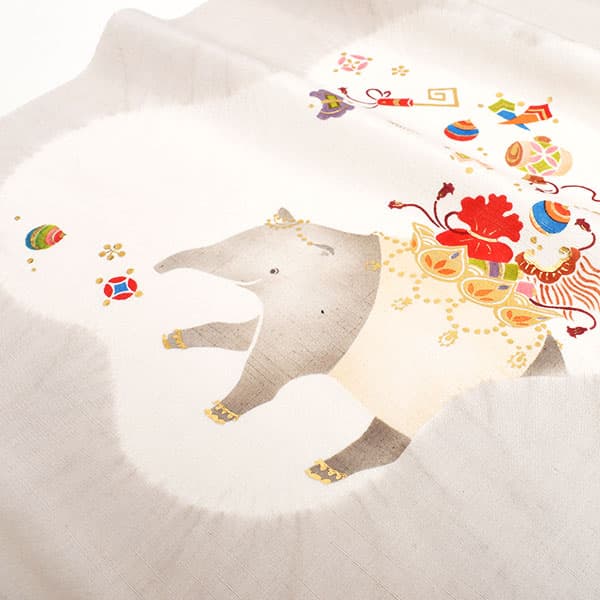
Kyoto Kineya Honba Yuki Tsumugi Baku and Treasure Motif Nine-Sun Nagoya Obi
【帯10%offクーポン♪】京都 きねや 謹製 本場結城紬 バクと宝尽くし 九寸 名古屋帯 グレー 【帯専門店おびや】お仕立て代込!送料・代引き無料!!【京都 きねや 謹製】【小紋・御召・紬】
gray帯専門店おびや
5.0 / 2 reviews
¥154,000
View on Rakuten →Japanese · new tab
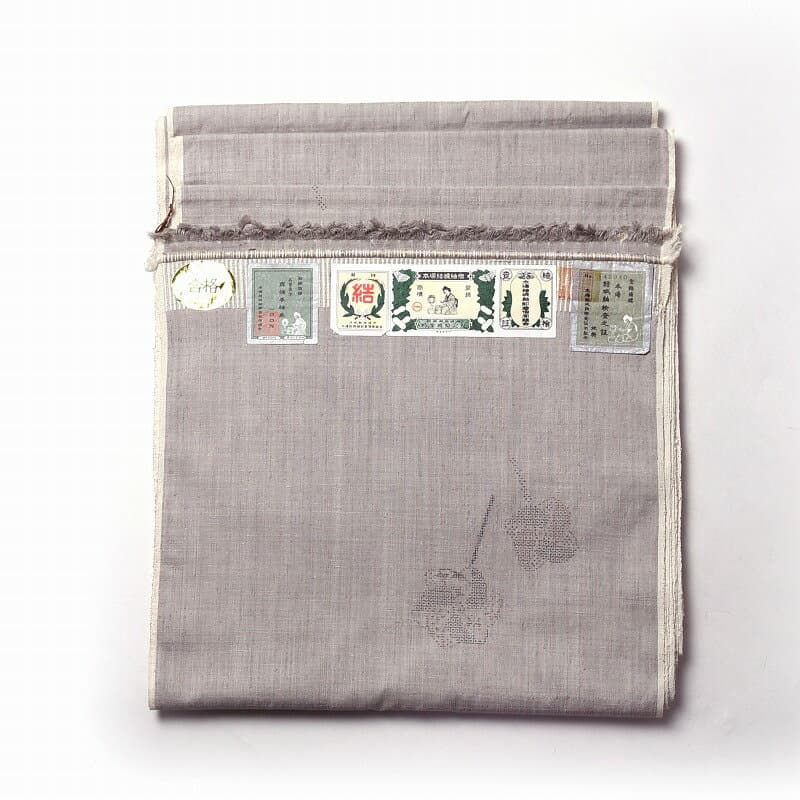
Japanese name本場結城紬
Around Yuki and Oyama, cocoons become silk floss, thread is drawn by hand, kasuri is tied before dyeing, and a jibata loom turns months of preparation into one bolt.
Information updated 65 days ago
【帯10%offクーポン♪】京都 きねや 謹製 本場結城紬 バクと宝尽くし 九寸 名古屋帯 グレー 【帯専門店おびや】お仕立て代込!送料・代引き無料!!【京都 きねや 謹製】【小紋・御召・紬】
gray帯専門店おびや
5.0 / 2 reviews
¥154,000
View on Rakuten →Japanese · new tab
女性物 重要無形文化財指定 本場結城紬 地機 紬着尺 百亀甲(100亀甲) 奥順謹製 灰色 かざぐるま 身長170cm位まで、裄70.5cmまで 反物販売 カジュアル着物の最高峰
gray, 100-kikko boltさわらび〜ほりだし堂〜
¥462,000
View on Rakuten →Japanese · new tab
105 結城紬 重要無形文化財 本場結城紬 100亀甲飛び柄 地機 白地 手つむぎ糸、手くくりの絣、地機織りの技術は1956年に国の重要無形文化財に指定されました 2010年にはユネスコ無形文化遺産に登録!観劇やランチ、同窓会などに
100-kikko flying pattern, white groundきもの工芸 雁金屋
¥850,000
View on Rakuten →Japanese · new tab
Honba Yuki-tsumugi belongs to the textile area around Yuki City in Ibaraki Prefecture, Oyama City in Tochigi Prefecture, and neighboring communities. The cloth begins with cocoons softened in hot water, opened into mawata silk floss, and drawn by hand before any kasuri mark or loom rhythm appears. Around the Kinugawa basin, silk and mulberry place names such as Kinu-mura and Kuwa-mura tie the work to a local map as much as to a workshop bench.
The production area sits around Yuki, Oyama, and nearby communities, with the Kinugawa once remembered through the name Kinu-gawa. On the Tochigi side, Kinu-mura and Kuwa-mura connect silk, mulberry, and place names in the same landscape. Oyama still treats Honba Yuki-tsumugi as local work in its 2023-2032 plan, where Oyama-grown cocoons are named as part of the future material base. The name points first to a map and a set of hands: mawata spinning, kasuri tying, and jibata weaving around Yuki and Oyama.
The work starts with cocoons. They are softened in hot water with baking soda, then five or six cocoons are opened and layered in warm water to make one sheet of mawata silk floss. That sheet is wrapped around a tool called a tsukushi, and the spinner draws thread by hand into a vessel called an oboke. The later softness of the cloth begins in this wet layer of silk floss before the thread is dyed, marked, or woven.
The hand-spun thread is counted in bocchi. One bocchi is about ninety-four grams, or roughly fifty sheets of mawata; one tan of Honba Yuki-tsumugi takes about seven bocchi. Spinning enough thread for that single bolt takes about two to three months. The loom is still waiting at this point, while fingers, tsukushi, mawata, and oboke slowly prepare the length of cloth.
After the thread is wound into skeins, it is dyed in planned colors, strengthened with wheat-flour starch, and arranged on a nobedai so the length and thread count line up. Threads for kasuri are marked with ink, then the pattern areas are tied tightly with cotton thread so dye cannot enter those points; depending on the pattern, this tying can take months. The tied thread then moves into final dyeing and tataki-zome. Within the pattern language that moved from plain cloth and stripes toward kasuri, kikko and cross-kasuri sit among the named bases.
On the jibata loom, the earlier thread work and kasuri preparation meet in the cloth. Producer-side descriptions link the untwisted, bulky hand-spun yarn with warmth, reduced wrinkling, and a surface close to the feel of mawata; wearing descriptions also emphasize lightness, warmth, and stability when dressed. Those qualities stay tied to material and process: softened cocoon, opened silk floss, hand-drawn thread, and careful weaving on a floor loom.
Oyama's present challenge has a hard number attached to it: inspected production fell from 31,288 pieces in 1980 to 565 in 2022, and the number of weaving businesses also declined sharply. The 2023-2032 work focuses on successors, shared workspaces, Oyama-grown cocoons, school learning, mawata-making and jibata-weaving experiences, and more occasions to wear the kimono. The figures are severe, but the response stays concrete: cocoons, hands, looms, classrooms, and places where the cloth is worn.
The clearest view of Honba Yuki-tsumugi comes through concrete names: Yuki, Oyama, the Kinugawa, mawata, tsukushi, oboke, cotton-tied kasuri, and one tan on a jibata loom. Even after production has fallen, those places, tools, and local hands still turn cocoons into wearable silk cloth and give the next trainee a place to begin.
Compiled from public records and official sources; see the recognition links below. Details may change over time.
Where this selection is officially registered, designated, or recognized in Japan.
Regional collective trademark
Registered as a Regional Collective Trademark with the Japan Patent Office.
Sources1
It is written 本場結城紬 in Japanese. Search Rakuten and other Japanese sites with that spelling — the English name will not return the listings.
Naturally dyed textiles shed some colour on first wash. Hand-wash separately with a neutral detergent, avoid long soaking and bleach, and dry in the shade to prevent fading. Silk, ramie, and traditionally dyed pieces often need professional cleaning — the care label on the listing takes precedence.
Honba Yuki tsumugi is a textiles from Tochigi. We compile its regional connection and characteristics against official registries, local sources, and live Rakuten listings.
Most options are shelf-stable, boxed, and travel well, so they suit gifting or bringing home. Confirm the final storage and delivery terms on the Rakuten listing.
We don't sell directly. This page compiles Rakuten listings and affiliate links; purchase, payment, stock, and delivery all happen on the Rakuten listing.