 4 images
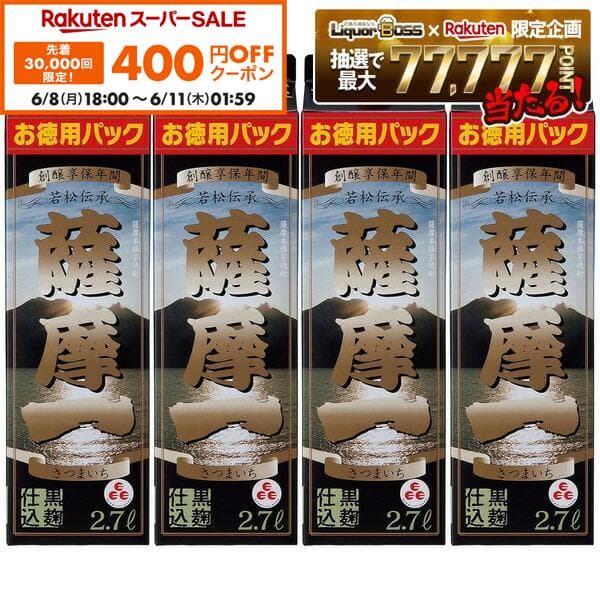
【先着400円OFFクーポン 6/8 10:00〜6/11 01:59】【最強配送】【送料無料】若松酒造 薩摩一 芋 25度 2700ml 2.7L×4本【北海道・沖縄県・東北・四国・九州地方は必ず送料が掛かります。】
リカーBOSS 楽天市場店
4.9 / 348 reviews
¥8,597
View on Rakuten →Japanese · new tab
Satsuma is a Kagoshima product family associated with shochu. Its place connection is supported by the official GI evidence for the regional name "薩摩" and by its listing under Kagoshima, so the catalog story should stay focused on regional identity rather than unsupported details about ingredients or production technique.
Information updated 61 days ago
4 imagesリカーBOSS 楽天市場店
4.9 / 348 reviews
¥8,597
View on Rakuten →Japanese · new tab
 2 images
オーリック
5.0 / 1 reviews
¥55,000
View on Rakuten →Japanese · new tab

酒のすぎた 楽天市場店
4.8 / 766 reviews
¥8,690
View on Rakuten →Japanese · new tab
![[芋焼酎]9本まで同梱可★25度 薩摩邑 1.8L瓶 1本 (1800ml)(さつまむら)岩川醸造 黒麹特有の甘味やコク、キリッとした味わいは、本格焼酎の原点!](/_next/image?url=https%3A%2F%2Fthumbnail.image.rakuten.co.jp%2F%400_mall%2Fsake-makino%2Fcabinet%2F00906099%2Fimgrc0091758364.jpg&w=3840&q=75)
リカー問屋マキノ
4.7 / 38 reviews
¥1,830
View on Rakuten →Japanese · new tab
 3 images
酒シンドバッド楽天市場店
5.0 / 1 reviews
¥2,580
View on Rakuten →Japanese · new tab
 3 images
おいしさつなぐ大嶌屋-おおしま屋-
4.5 / 121 reviews
¥2,980
View on Rakuten →Japanese · new tab
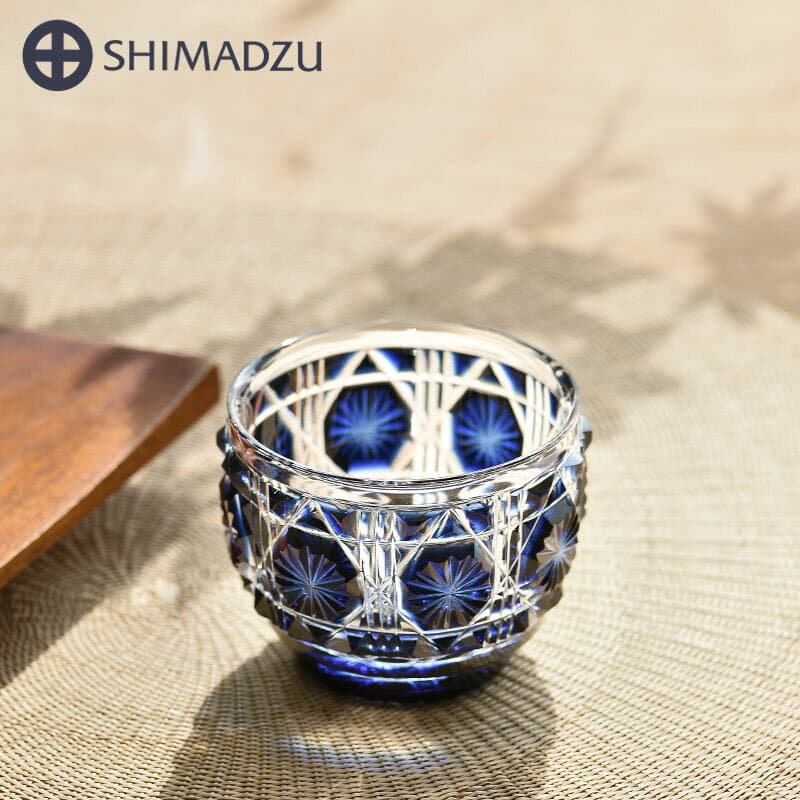 3 images
SATSUMA
5.0 / 2 reviews
¥33,000
View on Rakuten →Japanese · new tab
![【さつま揚げ お試しセット】9つの味をお得なセットで!送料込!(北海道へだけは+300円)本場 鹿児島より、できたてをお届け。[さつまあげ/薩摩揚げ/練り物/おでん/おつまみ/お取り寄せグルメ/お土産/手土産]さつま揚げとかまぼこの田中蒲鉾店](/_next/image?url=https%3A%2F%2Fthumbnail.image.rakuten.co.jp%2F%400_mall%2Fauc-agezukushi%2Fcabinet%2F03131976%2Fotameshi_box.jpg&w=3840&q=75) 3 images
3 imagesさつま揚げとかまぼこの田中蒲鉾店
4.6 / 103 reviews
¥3,450
View on Rakuten →Japanese · new tab
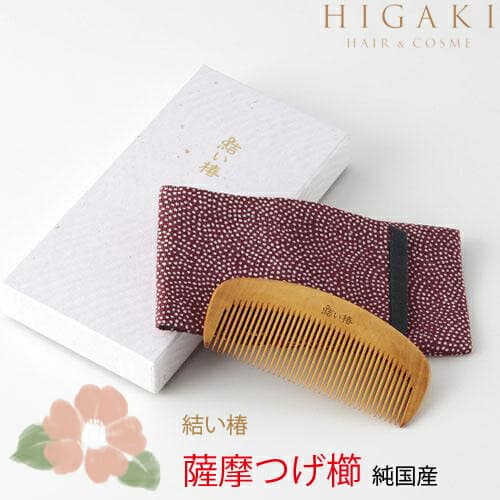 3 images
ヘアー&コスメHIGAKI
4.8 / 30 reviews
¥7,480
View on Rakuten →Japanese · new tab
Satsuma shochu comes into focus through Kagoshima-grown sweet potatoes and water. Its place boundary sits within Kagoshima Prefecture while excluding Amami City and Oshima District, where Amami kokuto shochu follows a brown-sugar path rooted in island water, sugarcane-derived brown sugar, and rice koji. Satsuma shochu takes a different route: sweet potato, koji, water, single pot distillation, and bottling within Kagoshima.
The name Satsuma shochu is tied to Kagoshima sweet potatoes, water, single pot distillation, and bottling inside Kagoshima Prefecture, outside Amami City and Oshima District. That boundary matters because another Kagoshima shochu family, Amami kokuto shochu, belongs to the Amami Islands and is built around island water, brown sugar from sugarcane, and rice koji.
The distinction is practical and material. In Satsuma shochu, the main raw material is the sweet potato grown in Kagoshima; in Amami kokuto shochu, the defining raw material is brown sugar. The two families share a prefectural map, while their materials pull them into separate shochu lineages.
The making begins with koji. Rice is washed, steamed, and seeded with koji mold, creating the base for the first mash. Water and yeast are added to the koji to form the starter mash; the second mash then brings in steamed sweet potato and more water, letting the main raw material become part of the fermenting moromi.
A single pot still turns that fermented mash into raw shochu. Storage or maturation, adjustment, and bottling follow, carrying the path of sweet potato, water, koji, and yeast into the finished drink. The local character of Satsuma shochu lives in a sequence of visible actions: steaming, seeding, mashing, distilling, resting, and bottling in Kagoshima.
Satsuma shochu has more than one flavor direction even when the sweet-potato base remains central. One of the clearest dividing points is koji. White koji is associated with a mellow direction, black koji with a richer body, and yellow koji with a fruitier impression.
Those three paths help explain the range inside the family. A glass can lean mellow, dense, or fruit-tinged while still belonging to the same Kagoshima sweet-potato framework. Koji gives brewers a concrete tool for shaping aroma and texture without changing the family’s core materials.
Kagoshima has more than 80 kura and more than 2,000 honkaku shochu labels, so Satsuma shochu is best understood as a producer community rather than a single bottle. The named craft lineages of Kurose Toji and Ata Toji are connected with transmitting shochu-making techniques, placing people and taught procedures at the center of the drink’s continuity.
The Kagoshima Prefecture Brewers Association was formed in 2007 from 11 local shochu associations, and the association text lists 109 members. Tradition here means named brewery communities, toji lineages, koji rooms, mashing steps, and single pot stills, all tied to the repeated work of making honkaku shochu in Kagoshima.
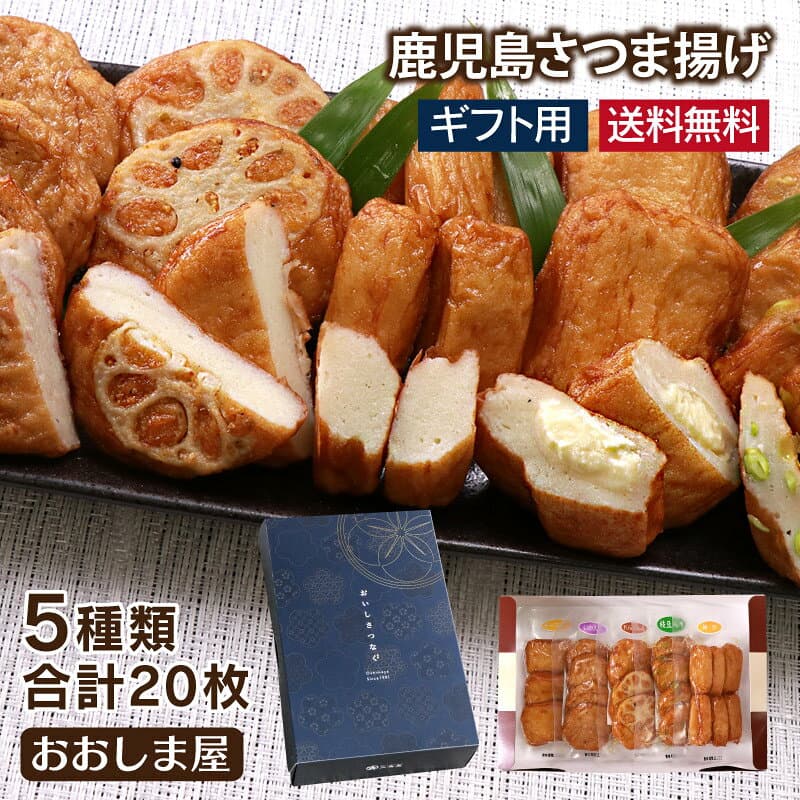
The Kagoshima table gives Satsuma shochu a concrete setting. Satsuma-age, kibinago sashimi, and black pork dishes appear as local foods placed alongside Kagoshima honkaku shochu. Fish cake, small silver-stripe round herring, and pork bring different textures and savory qualities into the same meal as sweet-potato shochu.
This food setting preserves variation in the glass. White, black, and yellow koji already point toward mellow, richer, or fruitier impressions, so the drink can be read against the dish in front of it. With satsuma-age, kibinago, or black pork nearby, Satsuma shochu stays connected to Kagoshima through material, technique, and the table.
The clearest path into Satsuma shochu runs through concrete things: Kagoshima sweet potatoes, water, koji mold, two-stage mash, a single pot still, kura, toji, and local dishes. Together they show a honkaku shochu family held in shape by material, technique, producer community, and the food culture of Kagoshima, meaning the shared table of satsuma-age, kibinago sashimi, black pork, and sweet-potato spirits.
Compiled from public records and official sources; see the recognition links below. Details may change over time.
Where this selection is officially registered, designated, or recognized in Japan.
Geographical Indication (GI)
Registered under Japan's Geographical Indication Protection System, run by the Ministry of Agriculture, Forestry and Fisheries.
Sources1
Sake is damaged by light and heat, so keep it dark and cool. Namazake and namazume must stay refrigerated throughout, and any bottle should be refrigerated and finished within a few days of opening. Serving temperature is a matter of style rather than rule — ginjo types show their aroma best chilled (around 10°C), while junmai types are fuller warmed to 40–50°C. We don't sell alcohol; purchase and age verification happen on the Rakuten listing.
薩摩 is a sake & spirits from Kagoshima. We compile its regional connection and characteristics against official registries, local sources, and live Rakuten listings.
This is a temperature- or fragility-sensitive item — before travelling, confirm refrigerated/frozen delivery, packaging, and arrival dates on the Rakuten listing. For gifts, prefer shelf-stable, boxed options.
We don't sell directly. This page compiles Rakuten listings and affiliate links; purchase, payment, stock, and delivery all happen on the Rakuten listing.