 2 images
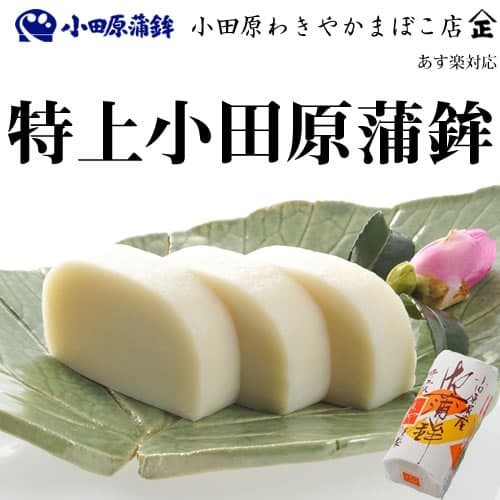
Wakiya Premium Odawara Kamaboko
『創業100余年、味わい、弾力、歯ごたえを極めた本場本物 老舗の小田原かまぼこ』 【特上 小田原蒲鉾】 小田原 箱根 熱海 伊豆 お土産 老舗 お祝い 【あす楽_日曜営業】 【神奈川県_物産展】
1 board-mounted steamed kamaboko小田原わきやかまぼこ店
4.5 / 13 reviews
¥2,490
View on Rakuten →Japanese · new tab
Odawara kamaboko is presented here as a Kanagawa regional product family. The supplied evidence identifies “小田原かまぼこ” as a regional trademark, so its place connection is strongest in the Odawara name and official regional-product status; no further evidence is provided about climate, materials, or technique.
Information updated 66 days ago
2 images『創業100余年、味わい、弾力、歯ごたえを極めた本場本物 老舗の小田原かまぼこ』 【特上 小田原蒲鉾】 小田原 箱根 熱海 伊豆 お土産 老舗 お祝い 【あす楽_日曜営業】 【神奈川県_物産展】
1 board-mounted steamed kamaboko小田原わきやかまぼこ店
4.5 / 13 reviews
¥2,490
View on Rakuten →Japanese · new tab
 3 images
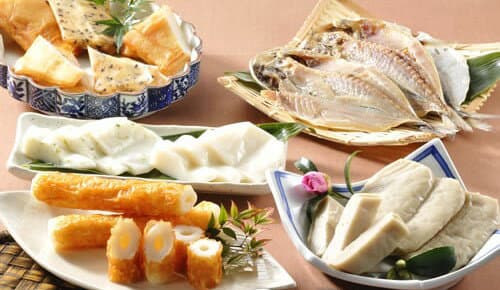
小田原わきやかまぼこ店
4.8 / 29 reviews
¥4,980
View on Rakuten →Japanese · new tab
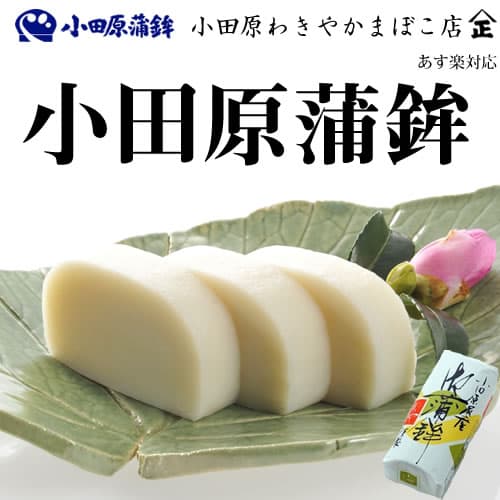
小田原わきやかまぼこ店
4.2 / 18 reviews
¥1,930
View on Rakuten →Japanese · new tab
Odawara kamaboko begins with white-fleshed fish, water, salt, seasonings, and a wooden board. In Odawara City, the fish meat is rinsed again and again to remove oil, blood, and impurities, then kneaded, strained, set on a board, and steamed. Sagami Bay, water from the Hakone-Tanzawa mountains, and the city's place on the Tokaido road give this white board-steamed fish cake its local shape at everyday meals, New Year tables, and travel routes.
Within the Odawara name, the central form is seasoned fish surimi kneaded thoroughly, set on a wooden board, and steamed. The local standard narrows the name around board-mounted steamed kamaboko made by Odawara-rooted cooperative makers, so the board becomes part of the food's shape and method. In the finished slice, gloss, fine grain, and springy bite sit together.
Odawara faces Sagami Bay, and the local craft places nearby fish beside water from the Hakone-Tanzawa mountain system. The main fish named for Odawara kamaboko is white-fleshed guchi, also called ishimochi. Before that fish paste reaches the board, it is repeatedly rinsed and kneaded, so the bay and the mountain water enter the food through daily production rather than scenery alone.
The process starts with fresh fish meat. Repeated water rinsing removes oil, blood, and impurities; the meat is then dehydrated, ground with salt, and kneaded with seasonings such as sugar and mirin. Straining removes small bones and skin before the paste is shaped on a wooden board, steamed at about 90°C, and cooled to around 0°C.
Odawara kamaboko is described through a glossy surface, fine grain, and elastic bite. The rinsing carries away oil, blood, and impurities, while straining removes small bones and skin; those steps match the clean white look and smooth mouthfeel of the finished slice. Makers also speak of umami, firmness, and a clean bite, keeping attention on what happens when the slice is chewed.
In the Edo period, Odawara prospered as a post town on the Tokaido road, and kamaboko spread as food served to travelers. Toward the end of the Edo period, steamed kamaboko became prominent in the Edo area, and Odawara-style white kamaboko grew in that setting. Later, the large markets of Tokyo and Yokohama, together with travel to Hakone and Izu, helped strengthen Odawara kamaboko as a local specialty.
The Odawara Kamaboko Cooperative Association now has 11 member companies, with activities that include technical study meetings, events, and the Odawara Kamaboko Sakura Festival. Odawara kamaboko is eaten throughout the year, appearing in ordinary meals, New Year osechi, and celebration dishes. Around November 15, Kamaboko Day, Odawara elementary and junior high schools also serve menus using local kamaboko.
Odawara kamaboko can be traced through Sagami Bay fish, Hakone-Tanzawa water, repeated rinsing and straining, steam over a wooden board, and the movement of people through a Tokaido post town. When the white slice appears at a weekday meal, in osechi, or in a school lunch, it carries the process and bite still maintained by 11 Odawara makers.
Compiled from public records and official sources; see the recognition links below. Details may change over time.
Where this selection is officially registered, designated, or recognized in Japan.
Regional collective trademark
Registered as a Regional Collective Trademark with the Japan Patent Office.
Sources1
Storage varies by product — shelf-stable, refrigerated, or frozen — and is stated on the packaging and the Rakuten listing. Shelf-stable processed foods usually need refrigerating once opened and eating within a few days; chilled and frozen items go straight into storage on arrival. Treat the best-before date on the physical packaging as authoritative.
小田原かまぼこ is a regional foods from Kanagawa. We compile its regional connection and characteristics against official registries, local sources, and live Rakuten listings.
Most options are shelf-stable, boxed, and travel well, so they suit gifting or bringing home. Confirm the final storage and delivery terms on the Rakuten listing.
We don't sell directly. This page compiles Rakuten listings and affiliate links; purchase, payment, stock, and delivery all happen on the Rakuten listing.