 3 images
Custom Arimatsu-Narumi Shibori Aerial Yoga Fabric
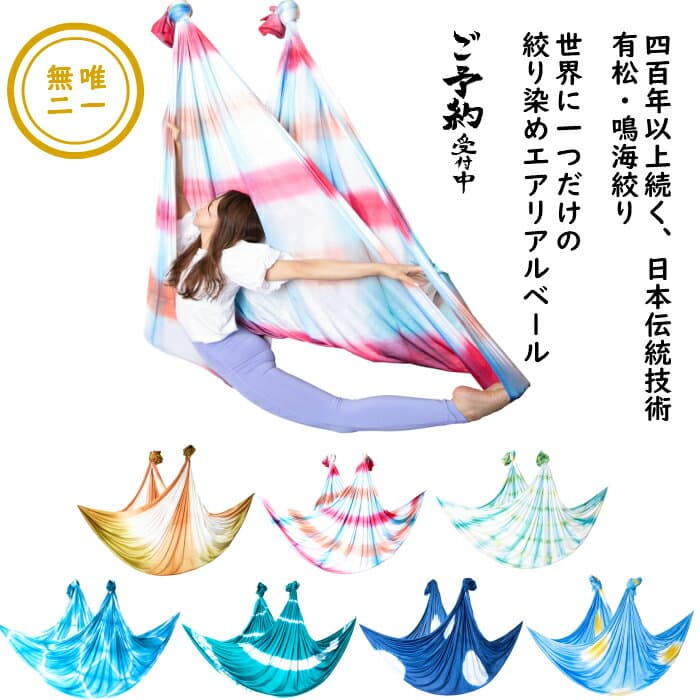
【オーダーメイド】有松・鳴海絞りのエアリアルベール/布のみ 空中ヨガ用ハンモック エアリアルヨガハンモック
fabric onlyDreamnature
¥26,300
View on Rakuten →Japanese · new tab
Japanese name有松・鳴海絞り
In southern Nagoya, cotton and silk cloth are marked with blueflower sketches, bound with thread, dyed, opened, and finished; Arimatsu-Narumi Shibori carries the memory of Tokaido travelers, farm women binders, and a large family of resist-dyeing methods.
Information updated 65 days ago
3 images【オーダーメイド】有松・鳴海絞りのエアリアルベール/布のみ 空中ヨガ用ハンモック エアリアルヨガハンモック
fabric onlyDreamnature
¥26,300
View on Rakuten →Japanese · new tab
 3 images
和-華
5.0 / 1 reviews
¥7,880
View on Rakuten →Japanese · new tab
 3 images
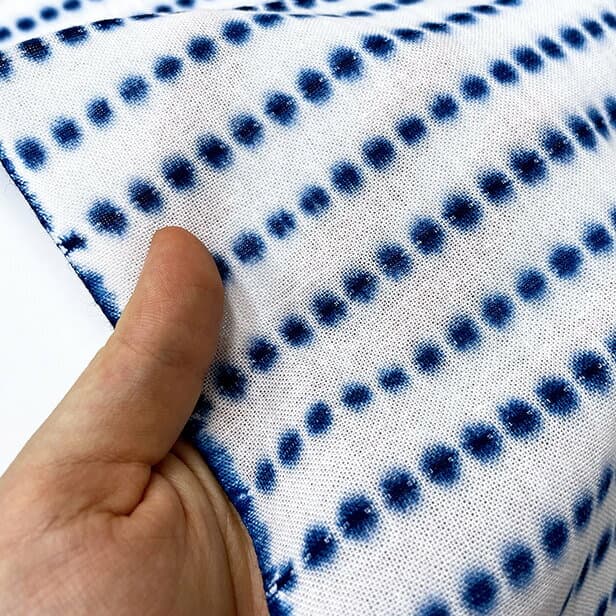
有松鳴海絞り 手ぬぐい 板締め豆絞り 日本製 反物 晒し木綿 綿100% 愛知県
approx. 35 x 100 cm手ぬぐい専門店 麻布十番 麻の葉
¥2,750
View on Rakuten →Japanese · new tab
 3 images
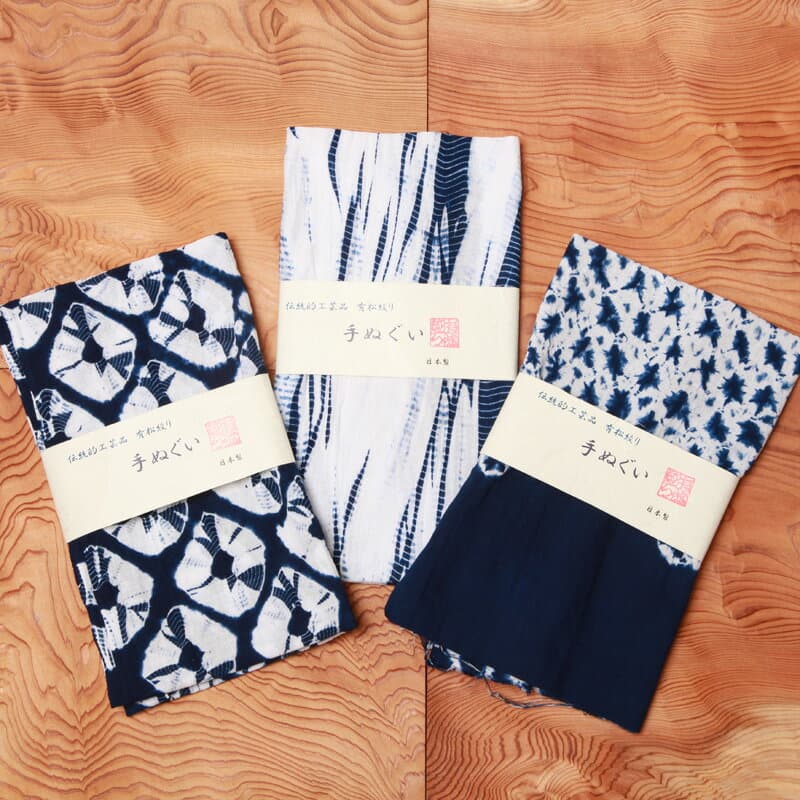
名古屋貸衣装
4.7 / 40 reviews
¥29,800
View on Rakuten →Japanese · new tab
Arimatsu-Narumi Shibori belongs to the Arimatsu and Narumi area of southern Nagoya, Aichi. The textile grew beside the old Tokaido, where travelers carried away towels and yukata as souvenirs, and it later expanded from cotton cloth into silk work after the Meiji period. Its patterns are made through stencil cutting, blueflower underdrawing, binding, dyeing, thread removal, and steam finishing, so the cloth keeps the marks of pressure, thread, and resisted dye.
Arimatsu and Narumi sit in southern Nagoya, with the craft closely tied to present-day Midori Ward and nearby production areas. Cotton shibori began in Arimatsu in the early Edo period, and the neighboring Narumi area developed with it; travelers moving along the Tokaido carried towels and yukata away from the roadside towns as souvenirs.
The old streetscape in Arimatsu still includes buildings from the late Edo period through the Taisho era. Local character here means a concrete setting: the old Tokaido road, Narumi as a post-town area, southern Nagoya workshops, and cloth that could be folded, carried, and used after the journey.
Arimatsu-Narumi Shibori uses silk or cotton fabric, with binding thread made from cotton, silk, or hemp. Work begins with stencil cutting and blueflower underdrawing, then moves through sewing, wrapping, or binding the cloth, dyeing it, removing the thread, and steam finishing. The places squeezed tightly by thread resist the dye, so pale or white marks appear when the cloth is opened.
The process gives the surface a visible memory of hand pressure. Flat stitching, mountain stitching, wrapped stitching, winding, and protective wrapping all place the resist in the tension of thread and fingers; each edge of a motif comes from cloth being folded, sewn, wrapped, pulled, and tightened.
The family includes around a hundred binding methods, including Miura shibori, kanoko shibori, tesuji shibori, kumo shibori, itajime shibori, hakozome shibori, arashi shibori, and murakumo shibori. The names point to different stands, folds, windings, and compression methods: Miura shibori uses a Miura stand, kanoko shibori uses a kanoko stand with two to seven wraps of thread, and itajime shibori folds cloth lengthwise into triangles or squares before fixing it with templates and thread.
A Meiji-period kimono in the Nagoya City Museum collection shows autumn grasses, descending geese, and a moon on cotton cloth dyed in a single indigo color. The garment combines methods such as Miura shibori, orinui shibori, boshi shibori, and awase-nui shibori, giving geese, grasses, moon, and open cloth different edges and densities.
Arimatsu-Narumi Shibori is shaped by divided work across many hands. Stencil cutting, underdrawing, binding, dyeing, thread removal, and steam finishing each form part of the sequence; binding work spread as side work among farm women, while intermediaries carried fabric out and collected the bound cloth when it was ready.
That work network reached beyond Midori Ward to Minami Ward, Showa Ward, Toyoake, the Chita Peninsula, and the Mikawa region. The continuity of the craft has a physical shape: one person cuts a stencil, another applies blueflower lines, another binds thread according to a method, and others dye and finish the cloth as the pattern gradually takes form.
Arashi shibori wraps cloth around a log about four meters long, winds thread around it, compresses the cloth, and places the whole log into dye. When opened, the cloth shows diagonal lines that resemble wind-driven rain, a pattern created by the angle of the log, the thread, the compressed cloth, and the dye bath.
In the Nagoya City Museum context, arashi shibori is associated with Suzuki Kinzo and its rainlike effect. The method shows the range of Arimatsu-Narumi Shibori: some marks come from tiny knots tightened at the fingers, while others require a long log and an entire length of cloth to be turned, compressed, and dyed.
Arimatsu-Narumi Shibori is long associated with kimono fabric, haori, and yukata, and in recent years it also appears in handkerchiefs, scarves, lap blankets, dresses, skirts, T-shirts, hats, and parasols. The cloth moves from formal dress into hand-held items, outdoor shade, and everyday garments, while bound white marks and dyed fields remain visible.
Interior pieces also use shibori, including sliding-door panels and lamps. When the cloth leaves the category of kimono fabric, the sequence of stencil, blueflower line, binding thread, dye, thread removal, and finishing still gives the surface a recognizable rhythm of handwork.
Arimatsu-Narumi Shibori is anchored in southern Nagoya’s road, cloth, and shared work. Tokaido travelers once carried away towels and yukata; farm women helped sustain the fine binding work; and makers used stencils, blueflower lines, thread, and dye to bring patterns out of cotton and silk. From an indigo kimono with autumn grasses and geese to the diagonal rain of arashi shibori, and from scarves to parasols and lamps, the textile remains tied to objects people can wear, hold, and live with.
Compiled from public records and official sources; see the recognition links below. Details may change over time.
Where this selection is officially registered, designated, or recognized in Japan.
Traditional craft
Designated a Traditional Craft (dentō kōgeihin) by Japan's Ministry of Economy, Trade and Industry.
Sources1
It is written 有松・鳴海絞り in Japanese. Search Rakuten and other Japanese sites with that spelling — the English name will not return the listings.
Naturally dyed textiles shed some colour on first wash. Hand-wash separately with a neutral detergent, avoid long soaking and bleach, and dry in the shade to prevent fading. Silk, ramie, and traditionally dyed pieces often need professional cleaning — the care label on the listing takes precedence.
Arimatsu-Narumi shibori is a textiles from Aichi. We compile its regional connection and characteristics against official registries, local sources, and live Rakuten listings.
Most options are shelf-stable, boxed, and travel well, so they suit gifting or bringing home. Confirm the final storage and delivery terms on the Rakuten listing.
We don't sell directly. This page compiles Rakuten listings and affiliate links; purchase, payment, stock, and delivery all happen on the Rakuten listing.