 3 images
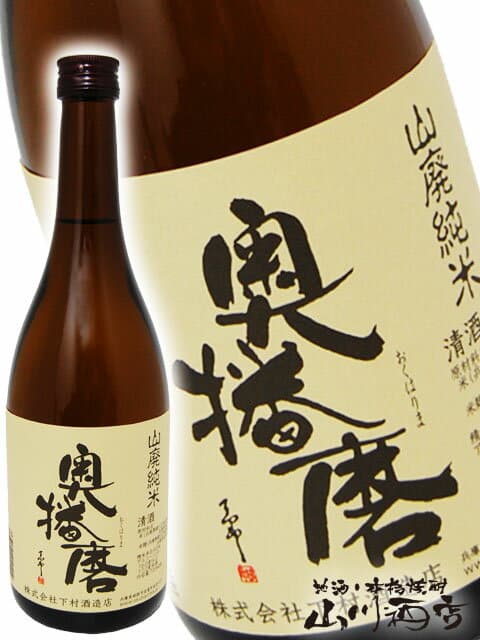
奥播磨 ( おくはりま ) 山廃純米 720ml/ 兵庫県 下村酒造【 4202 】【 日本酒 】【 父の日 贈り物 ギフト プレゼント 】
酒の番人 ヤマカワ
5.0 / 5 reviews
¥1,980
View on Rakuten →Japanese · new tab
Harima is a Hyogo regional product family identified in the supplied evidence as an official GI entry. The product terms classify it as seishu, Japanese sake, so its place identity is supported by the official regional designation, while the provided snippets do not specify climate, materials, or brewing technique details.
Information updated 65 days ago
3 images酒の番人 ヤマカワ
5.0 / 5 reviews
¥1,980
View on Rakuten →Japanese · new tab
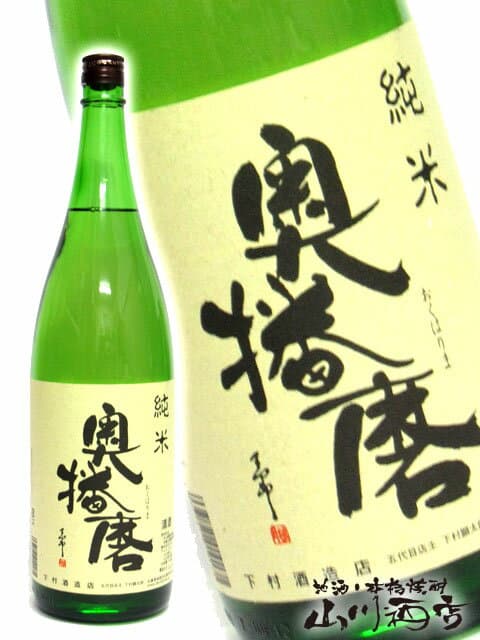
酒の番人 ヤマカワ
4.7 / 3 reviews
¥3,190
View on Rakuten →Japanese · new tab
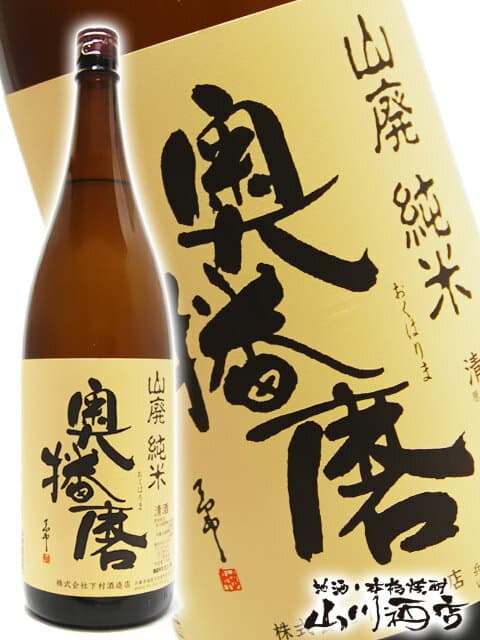
酒の番人 ヤマカワ
4.7 / 3 reviews
¥3,190
View on Rakuten →Japanese · new tab
The name Harima begins with place: the part of Hyogo west of the Akashi Strait and south of the Chugoku Mountains. Mountain water feeds the Kakogawa, Ichi, Yumesaki, Ibo, and Chikusa rivers before reaching the grain fields below. Yamada Nishiki ripens there under day-night temperature swings and mineral-rich clay soils, while low-iron local water enters the brew. The result is a sake profile known for a soft round mouthfeel, little bitterness or astringency, delicate savoriness, expanded aroma, and a clean finish.
Harima refers to seishu made in the Harima area of Hyogo, west of the Akashi Strait and south of the Chugoku Mountains. The name is tied to concrete production elements: rice and koji rice from Hyogo-grown Yamada Nishiki, water drawn within the area, and brewing, storage when used, and bottling completed inside the same area.
That place boundary gives the sake a readable shape. Rice from Hyogo, local water, sake brewing, and brewery work sit inside one defined area, so the cup points back to fields, rivers, and kura activity rather than to a loose geographic label.
The Chugoku Mountains run across central Hyogo, and water stored in those mountains forms rivers such as the Kakogawa, Ichi, Yumesaki, Ibo, and Chikusa. These rivers supply the foothill grain fields where rice for sake is grown, connecting mountain rain, river flow, and brewing material.
Harima has a mild climate with long sunshine and relatively low rainfall. Its brewing water, derived from the Chugoku Mountains, is low in iron and carries suitable levels of inorganic salts including potassium, phosphate, magnesium, and calcium. The sense of place in Harima sake rests on those physical conditions: terrain, water, and rice fields.
Yamada Nishiki is the clearest material thread in Harima sake. Developed in this region as a variety for sake brewing, it is valued for large grains, a distinct shinpaku at the center, and low levels of fat and protein, all traits that support sake production.
During ripening, the Rokko mountain system blocks warm air from the south and creates larger day-night temperature differences. Mineral-rich clay fields also affect the rice, shaping shinpaku formation and composition. When Harima is described as a local sake, the word local points to these fields, temperatures, soils, and grains.
The Harima no Kuni Fudoki, compiled in the Nara period, includes a scene in which rice offered to a deity grew mold, was used to make sake, and became part of a feast. The scene places rice, koji, worship, and brewing in Harima within an early written setting.
That passage is now connected with Niwata Shrine in present-day Shiso, Hyogo. Its strength is concrete rather than sweeping: Harima appears with rice koji, a shrine landscape, and brewing practice in one remembered scene, without needing a sole-origin claim for all Japanese sake.
In the Edo period, Harima was linked to nearby Nada Gogo through labor and rice. Banshu toji worked in Nada brewing, and rice from Harima helped supply Nada sake production. By the late Edo period, many breweries had also opened within Harima, extending brewing activity back across the local rice fields and towns.
Later continuity came through practical exchange: technical lectures, tasting meetings, manufacturing-technology exchange, joint research, seminars, and training. These activities kept rice handling, koji work, water use, and brewing judgment moving among people rather than leaving them as static regional slogans.
Harima sake is generally described as soft on entry, gently rounded, and low in bitterness and astringency, with delicate depth and a broad aroma. When Hyogo-grown Yamada Nishiki and well-grown koji are used, the mash gains pleasant acidity and the finish becomes light.
Junmai and honjozo styles are noted for balance among body, aroma, and acidity. Junmai ginjo and ginjo styles bring a sweet fruit aroma reminiscent of apples, with acidity that keeps the texture easy through the throat. These tasting words translate the region’s rice and water into softness, fragrance, and a clean ending.
The brewery map of Harima follows river basins and town clusters. Along the Ibo and Chikusa side are names such as Honda Shoten, Yaegaki Shuzo, Okuto Shoji, Shimomura Shuzoten, Oimatsu Shuzo, and Sanyo Hai Shuzo; across other Harima areas appear Tsubosaka Shuzo, Kanzaki Shuzo, Meijo Shuzo, Tanaka Shuzojo, Himeji Nadagiku Shuzo, Okada Honke, King Jozo, Inami Shuzo, Kamimusubi Shuzo, Fukunishiki, Akashi Sake Brewery, Eigashima Shuzo, Ibaraki Shuzo, and Nishiumi Shuzo.
Harima sake has also been presented abroad. In 2021, the Nada Gogo Brewers Association and Harima Sake Research Association invited French sommelier Dominique Laporte to guide communication for Nada Gogo and Harima sake in France, with back-label supervision, YouTube content carrying Japanese subtitles, and an online seminar for professional listeners.
Harima sake is held together by place, grain, water, and people: land west of the Akashi Strait, rivers descending from the Chugoku Mountains, Yamada Nishiki ripened in clay fields, an early rice-koji scene in the Harima no Kuni Fudoki, Banshu toji movement, and breweries spread along the basins. Its soft mouthfeel, lifted aroma, and light finish give those concrete elements a sensory form.
Compiled from public records and official sources; see the recognition links below. Details may change over time.
Where this selection is officially registered, designated, or recognized in Japan.
Geographical Indication (GI)
Registered under Japan's Geographical Indication Protection System, run by the Ministry of Agriculture, Forestry and Fisheries.
Sources1
Sake is damaged by light and heat, so keep it dark and cool. Namazake and namazume must stay refrigerated throughout, and any bottle should be refrigerated and finished within a few days of opening. Serving temperature is a matter of style rather than rule — ginjo types show their aroma best chilled (around 10°C), while junmai types are fuller warmed to 40–50°C. We don't sell alcohol; purchase and age verification happen on the Rakuten listing.
はりま is a sake & spirits from Hyogo. We compile its regional connection and characteristics against official registries, local sources, and live Rakuten listings.
This is a temperature- or fragility-sensitive item — before travelling, confirm refrigerated/frozen delivery, packaging, and arrival dates on the Rakuten listing. For gifts, prefer shelf-stable, boxed options.
We don't sell directly. This page compiles Rakuten listings and affiliate links; purchase, payment, stock, and delivery all happen on the Rakuten listing.