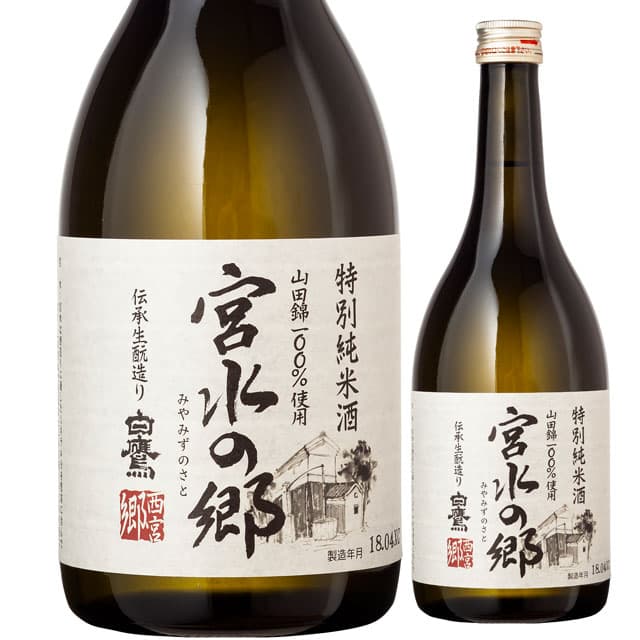
白鷹 宮水の郷 特別純米酒 720ml みやみずのさと/西宮の地酒 灘の生一本/はくたか/なだのきいっぽん/清酒/日本酒/西宮/吉川産山田錦/限定販売店でしか買えない酒/灘五郷
ワインスクエアー・アズマヅル
5.0 / 1 reviews
¥1,595
View on Rakuten →Japanese · new tab
Nada Gogo is a Hyogo regional sake (seishu) family. The supplied official GI evidence names “灘五郷,” so its place connection is the protected regional designation itself; no further climate, material, or technique details were provided in the evidence.
Information updated 62 days ago
ワインスクエアー・アズマヅル
5.0 / 1 reviews
¥1,595
View on Rakuten →Japanese · new tab
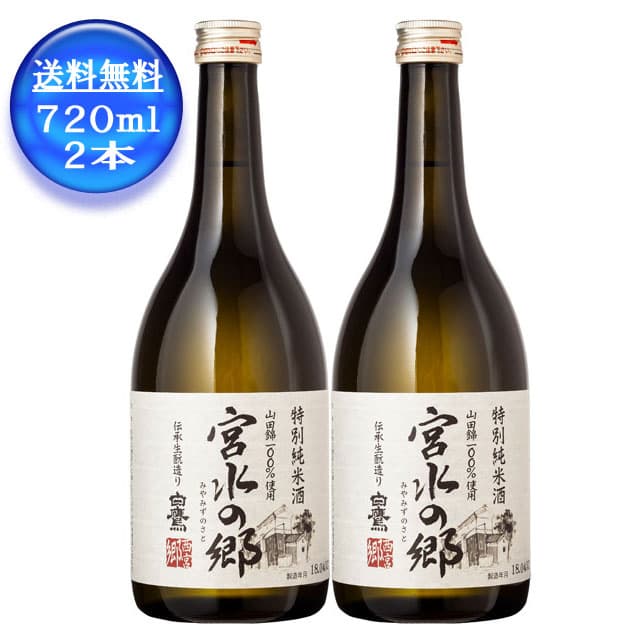
ワインスクエアー・アズマヅル
4.3 / 3 reviews
¥3,880
View on Rakuten →Japanese · new tab
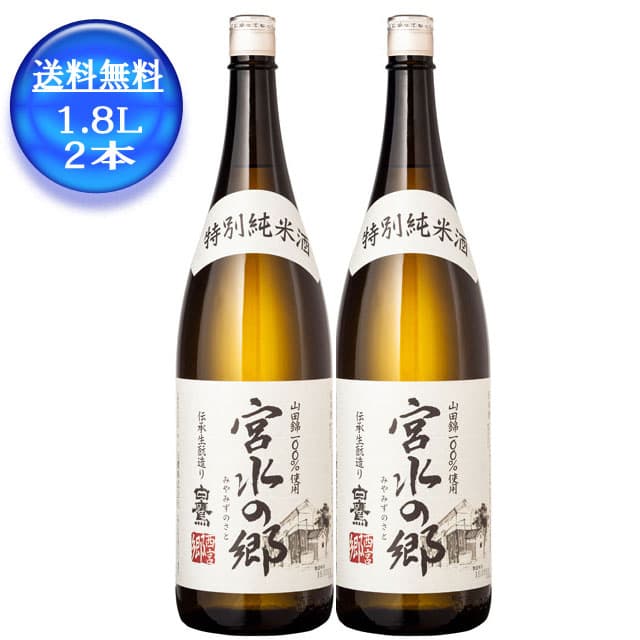 3 images
ワインスクエアー・アズマヅル
4.5 / 2 reviews
¥7,280
View on Rakuten →Japanese · new tab
Nadagogo lies along the Hyogo coast between Kobe and Nishinomiya. Its five areas are Saigo, Mikage-go, Uozaki-go, Nishinomiya-go, and Imazu-go, stretching across Kobe's Nada and Higashinada wards and Nishinomiya. The character of the place is easiest to read through concrete brewing elements: Miyamizu water, sake rice such as Yamada Nishiki, Tanba Toji skill, koji rooms, wooden tubs of moromi, pressing areas, and the cold wind from the Rokko foothills.
Nadagogo is a cluster of five sake areas on the Hanshin coast: Saigo, Mikage-go, Uozaki-go, Nishinomiya-go, and Imazu-go. The name belongs to a coastal belt rather than a single brewery or a single street, crossing Kobe's Nada and Higashinada wards and Nishinomiya. A route can begin near Hanshin Oishi Station at the Sawanotsuru museum and continue toward the Hakutsuru site near Sumiyoshi, turning place names, old breweries, and rail stops into a readable map of Hyogo sake.
The local brewing setting is described through water, rice, skill, and weather. Miyamizu water, high-quality sake rice including Yamada Nishiki, Tanba Toji technique, and cold air from the Rokko foothills give Nadagogo its recurring vocabulary. Those details should not be flattened into a claim that every brewery uses the same ingredients or method; they work better as a concrete frame for individual practices such as kimoto brewing, low-temperature fermentation, four-stage mashing, small-batch ginjo production, and handwork at particular breweries.
Inside the brewery museums, sake becomes a sequence of materials and rooms. The Hakutsuru Sake Brewery Museum uses an early-Taisho brewery building that operated until around 1969, showing rice steaming, koji cultivation, and moromi prepared in large wooden tubs. The Sawanotsuru museum, rebuilt from a late-Edo-period brewery, presents the koji room, the pressing area, and older tools. Brewing gains weight here through steam, mash, wood, tools, and the space where sake is pressed.
The brewing line of Nadagogo reaches from the Muromachi and Edo periods into the present, and the visible proof is found in buildings and tools. Sawanotsuru presents a reconstructed late-Edo brewery, Hakutsuru keeps an early-Taisho brewery as an experiential museum, the Hakushika museum uses a brewery building from 1869, and Kikumasamune displays sake-brewing tools. Timbered rooms, koji spaces, pressing equipment, life-size figures, and work objects make continuity tangible.
Nadagogo sake is often described through balanced taste elements and a clean finish, a sensory phrase that points to harmony on the palate and a crisp ending after the sip. Brewery profiles also place dry sake, honjozo, fresh genshu, drinking temperatures, and meal-friendly styles in everyday dining contexts. The GI Nadagogo name adds a quality boundary for sake that meets production standards and review; for readers, the practical meaning is a connection among place, process, and a recognizable clean-finishing profile.
Along the Hanshin coast, brewery visits can include tastings, fresh genshu, limited namazake, seasonal sake, and food-pairing spaces. These encounters let visitors hold rice, water, koji work, and pressed sake in the same setting, connecting Kobe and Nishinomiya place names to rooms where the work is shown. They are entry points into Nadagogo, while individual brewery practices remain individual examples within the five-area landscape.
Nadagogo is compelling because it ties five coastal areas, Miyamizu water, sake rice, Rokko foothill winds, old brewery buildings, and working tools into one Hyogo sake landscape. From steamed rice, koji, moromi, and pressing rooms to the clean finish associated with the name, the region turns place into something visible in materials, rooms, objects, and the work of brewers.
Compiled from public records and official sources; see the recognition links below. Details may change over time.
Where this selection is officially registered, designated, or recognized in Japan.
Geographical Indication (GI)
Registered under Japan's Geographical Indication Protection System, run by the Ministry of Agriculture, Forestry and Fisheries.
Sources1
Sake is damaged by light and heat, so keep it dark and cool. Namazake and namazume must stay refrigerated throughout, and any bottle should be refrigerated and finished within a few days of opening. Serving temperature is a matter of style rather than rule — ginjo types show their aroma best chilled (around 10°C), while junmai types are fuller warmed to 40–50°C. We don't sell alcohol; purchase and age verification happen on the Rakuten listing.
灘五郷 is a sake & spirits from Hyogo. We compile its regional connection and characteristics against official registries, local sources, and live Rakuten listings.
This is a temperature- or fragility-sensitive item — before travelling, confirm refrigerated/frozen delivery, packaging, and arrival dates on the Rakuten listing. For gifts, prefer shelf-stable, boxed options.
We don't sell directly. This page compiles Rakuten listings and affiliate links; purchase, payment, stock, and delivery all happen on the Rakuten listing.