 3 images
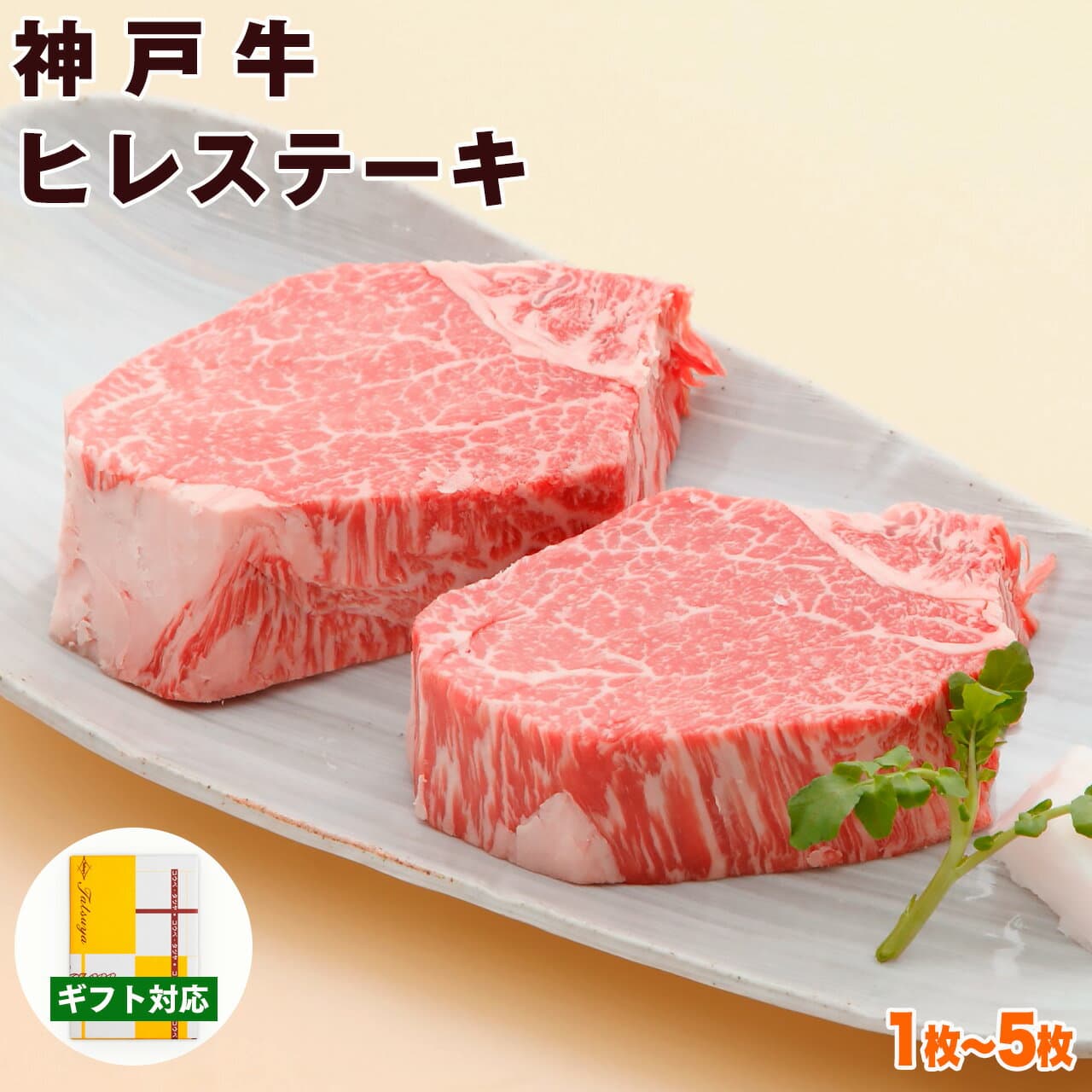
Kobe Beef Fillet Steak
神戸牛 ヒレステーキ 送料無料 【お取り寄せ 高級肉 グルメ 父の日 ギフト プレゼント 内祝い お返し お祝い 誕生日 結婚祝い 出産祝い 結婚内祝い 出産内祝い 牛肉 肉 ステーキ肉 赤身 フィレ ヘレ】
神戸牛専門店 辰屋
4.8 / 318 reviews
¥16,200
View on Rakuten →Japanese · new tab
Japanese name神戸牛
Kobe beef begins with Tajima cattle in Hyogo, passes through calf markets, fattening farms, and Nagata processing, then often reaches the table as steak with salt, pepper, mustard, or ponzu.
Information updated 69 days ago
3 images神戸牛 ヒレステーキ 送料無料 【お取り寄せ 高級肉 グルメ 父の日 ギフト プレゼント 内祝い お返し お祝い 誕生日 結婚祝い 出産祝い 結婚内祝い 出産内祝い 牛肉 肉 ステーキ肉 赤身 フィレ ヘレ】
神戸牛専門店 辰屋
4.8 / 318 reviews
¥16,200
View on Rakuten →Japanese · new tab
 3 images
即日出荷対応 神戸牛 肩ロース すき焼き しゃぶしゃぶ 800g(400gで2分割)約4〜5人前 【送料無料※北海道、沖縄へは+500円】神戸ビーフ 高級肉 お取り寄せグルメ ギフト 誕生日 プレゼント 自宅用 肉 すき焼き 牛肉 お中元 御中元 お歳暮 御歳暮 父の日 母の日 敬老の日
800g (2 x 400g portions)自社牧場直送 神戸牛 肉のヒライ
4.8 / 44 reviews
¥13,824
View on Rakuten →Japanese · new tab
 3 images
【楽天グルメ大賞受賞】2024年販売実績1万個突破!即日出荷対応 神戸牛6点食べ比べ焼肉 600g【送料無料※北海道・沖縄へは+500円】神戸ビーフ お取り寄せグルメ ギフト 誕生日 プレゼント 自宅用 食べ比べ 希少部位 BBQ お中元 御中元 お歳暮 御歳暮 父の日 90代 80代
6 cuts, 600g自社牧場直送 神戸牛 肉のヒライ
4.6 / 1223 reviews
¥8,640
View on Rakuten →Japanese · new tab
Kobe beef is not a cattle breed. The name is used for beef from Tajima cattle born and raised in Hyogo, processed within the prefecture, and cleared through meat-quality conditions. Its geography can be followed across Hyogo: breeding farms in Tajima and Awaji, calf markets in Yabu and Awaji, fattening farms in places such as Tamba, Nishiwaki, Sayo, Sanda, and Kobe’s Kita ward, and, for many animals, the meat center in Nagata, Kobe. On the plate, the familiar form is steak cooked on an iron plate or in a pan with beef fat, garlic, salt, and pepper.
The center of Kobe beef is Tajima cattle raised within Hyogo, not a separate cattle breed. To carry the name, the beef must come from cattle born and grown in the prefecture, processed at a Hyogo meat center, and evaluated against meat-quality requirements. The word Kobe therefore points to a named beef category shaped by Tajima cattle, prefectural processing, and a defined quality line.
The route is written in Hyogo place names. Calves come from breeding farms in the Tajima region and on Awaji Island, pass through the Yabu or Awaji livestock markets, and move to fattening farms in Tamba, Nishiwaki, Sayo, Sanda, Kobe’s Kita ward, and other central and southern parts of the prefecture. Many then arrive at the meat center in Nagata, Kobe, giving the name a route from living animal to carcass to table meat.
The early reputation of Kobe beef belongs to the port era, when cattle gathered around Kobe were shipped to Yokohama for foreign residents. A simple origin tied only to the 1868 opening of Kobe port leaves out the earlier account of cattle gathered in Kobe and sent to Yokohama in 1865. The name is better understood through movement: cattle, ports, demand from foreign settlements, and the taste reputation that followed the route eastward.
Not every Hyogo-produced Tajima animal becomes Kobe beef. A BMS grade of 6 or higher and other criteria mark an important quality boundary. In 1983, producers, distribution groups, and consumer groups formed the Kobe Meat Distribution Promotion Council to give the name and its circulation shared rules. Individual identification numbers help trace each animal’s path, while DNA samples from carcasses and sample checks from handling locations support protection against imitation and confusion.
Kobe beef steak is prepared in concrete, spare steps: beef fat goes onto an iron plate or pan, garlic is cooked, and the meat is seasoned with salt and pepper before being cooked to the preferred doneness. Sauce, mustard, ponzu, and green onion may appear at the table. It is often eaten at restaurants on special occasions rather than as an everyday home dish, so the iron plate becomes part of how the beef is remembered.
Kobe city gives the route visible urban points. Nagata is the processing place for many cattle; Sannomiya and Motomachi appeared as a noticeable cluster of restaurant, meat-retail, and wholesale roles in the 2011 distribution picture. By 2019, the network handling Kobe beef also reached other parts of Japan and overseas. These places keep the steak connected to breeding farms, fattening farms, processing, and the city table.
The clearest way to understand Kobe beef is to follow its route through Hyogo: Tajima and Awaji breeding farms, Yabu and Awaji calf markets, fattening farms in Tamba, Nishiwaki, Sayo, Sanda, and Kobe’s Kita ward, the Nagata meat center, and finally the steak plate with salt, pepper, mustard, or ponzu. The name rests on Tajima cattle, place, quality criteria, and traceable handling rather than on a single port legend.
Compiled from public records and official sources; see the recognition links below. Details may change over time.
Where this selection is officially registered, designated, or recognized in Japan.
Regional collective trademark
Registered as a Regional Collective Trademark with the Japan Patent Office.
Sources1
It is written 神戸牛 in Japanese. Search Rakuten and other Japanese sites with that spelling — the English name will not return the listings.
Storage varies by product — shelf-stable, refrigerated, or frozen — and is stated on the packaging and the Rakuten listing. Shelf-stable processed foods usually need refrigerating once opened and eating within a few days; chilled and frozen items go straight into storage on arrival. Treat the best-before date on the physical packaging as authoritative.
Kobe beef is a regional foods from Hyogo. We compile its regional connection and characteristics against official registries, local sources, and live Rakuten listings.
Most options are shelf-stable, boxed, and travel well, so they suit gifting or bringing home. Confirm the final storage and delivery terms on the Rakuten listing.
We don't sell directly. This page compiles Rakuten listings and affiliate links; purchase, payment, stock, and delivery all happen on the Rakuten listing.