 3 images
Kurume Kasuri Elastic-Waist Patchwork Pants
1,000円offクーポン配布中【久留米絣 パッチワークパンツ】茶黒グレー紺赤総ゴムモンペミセス楽々ゆったり40代50代60代70代レディース春夏秋冬水玉ホームウェアもんぺウエスト総ゴム綿100%
古布と藍染めこっとんコットン
4.7 / 18 reviews
¥19,800
View on Rakuten →Japanese · new tab
Japanese name久留米絣
In southern Fukuoka, bound and dyed cotton threads are dried, untied, and woven so Kurume Kasuri carries blurred patterns from Kurume, Hirokawa, Chikugo, and Yame.
Information updated 63 days ago
3 images1,000円offクーポン配布中【久留米絣 パッチワークパンツ】茶黒グレー紺赤総ゴムモンペミセス楽々ゆったり40代50代60代70代レディース春夏秋冬水玉ホームウェアもんぺウエスト総ゴム綿100%
古布と藍染めこっとんコットン
4.7 / 18 reviews
¥19,800
View on Rakuten →Japanese · new tab
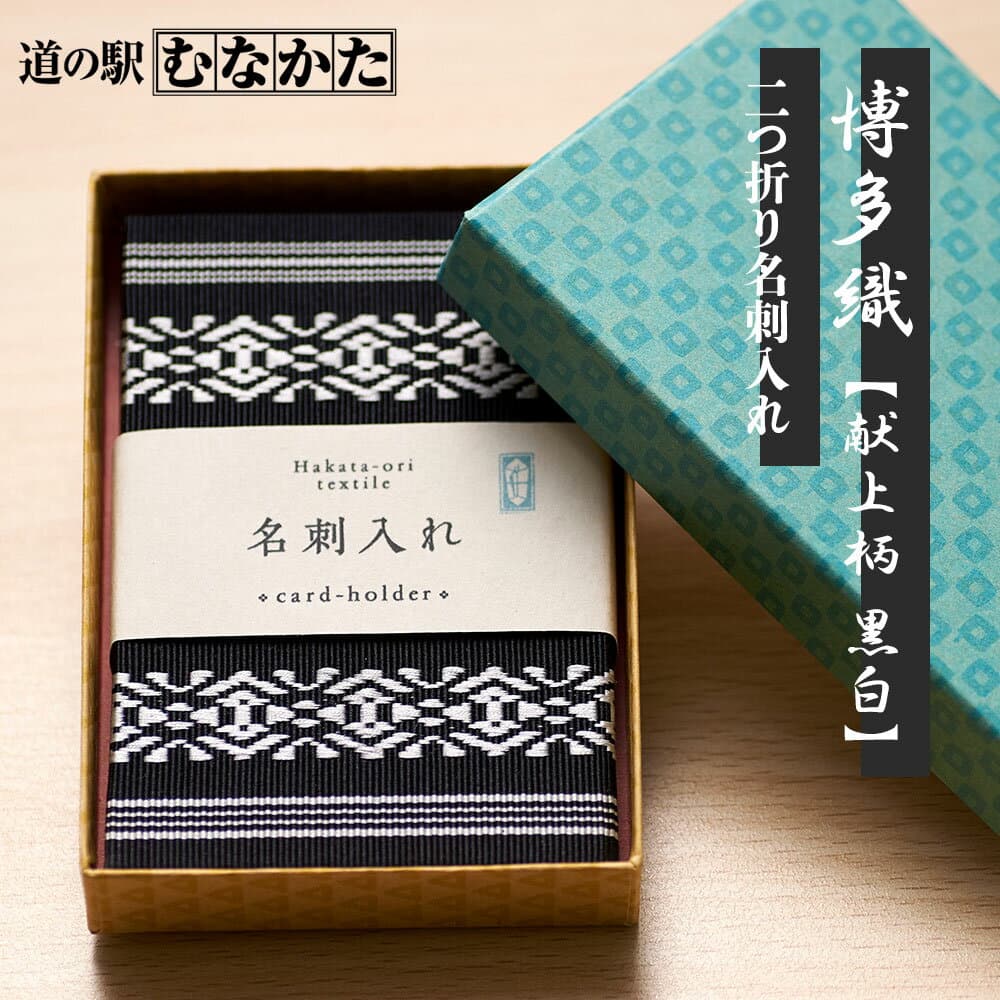 3 images
道の駅むなかたオンラインショップ
4.7 / 6 reviews
¥4,950
View on Rakuten →Japanese · new tab
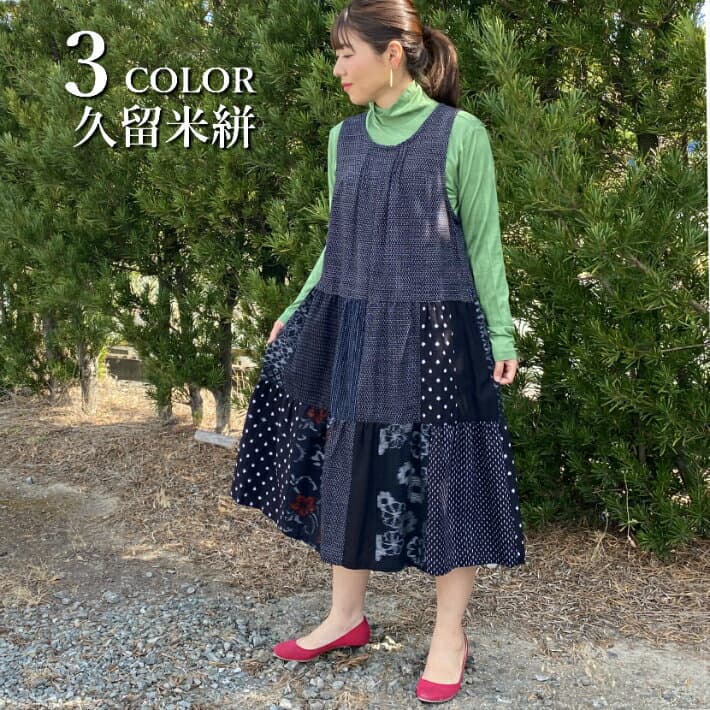 3 images
【久留米絣ティアードジャンパースカート】日本製パッチワーク藍染め絵絣前ファスナーおしゃれエレガントノースリーブワンピースミセス50代60代綿100%春夏秋冬大人上品ロング花柄ドット水玉可愛い
古布と藍染めこっとんコットン
5.0 / 7 reviews
¥29,480
View on Rakuten →Japanese · new tab
Kurume Kasuri is a cotton textile from the Chikugo area of Fukuoka, with production centered around Kurume, Hirokawa, Chikugo, Yame, and nearby communities. The Chikugo River basin gave the craft water, fertile land, and cotton cultivation. Its pattern begins before weaving: cotton threads are dyed first, then warp and weft meet on the loom to create soft-edged motifs in indigo and white or in later color ranges.
The place behind Kurume Kasuri is specific: Kurume City, Hirokawa Town, Chikugo City, Yame City, and the Chikugo River basin in southern Fukuoka. Fertile land, water, and cotton cultivation supported a textile district where cotton thread could move from field and workshop into clothing for daily use. The names Kurume, Hirokawa, Chikugo, and Yame tie the cloth to a local network of dyeing, weaving, and producer activity around Kurume.
The origin account begins around 1800 in the castle town of Kurume, with Inoue Den, a 13-year-old girl. She noticed speckled fading on a worn indigo-dyed kimono and used that observation to bind parts of white cotton thread before dyeing. After the thread was dyed and unbound, dark and white areas appeared along the same strand. When woven, those strands made a pattern with a gentle blurred outline. A worn kimono, a bundle of cotton thread, and an indigo vat became the practical scene behind the textile’s first patterning method.
In Kurume Kasuri, the design is prepared while the cotton is still thread. Makers calculate the layout of warp, weft, ground threads, kasuri threads, and shrinkage, then bind the sections that should resist dye. The thread is dyed, dried under tension to reduce shrinkage, untied strand by strand, and woven by hand or machine. Warp and weft must meet in the right place on the loom. Small shifts create the blurred kasuri edge, and even machine weaving still depends on skilled alignment by people at the workshop.
A length of Kurume Kasuri can pass through more than 30 detailed steps, and one Fukuoka craft introduction describes the time to completion as about three months. That span covers design planning, shrinkage calculation, binding, dyeing, drying, untying, and weaving. Skilled workers divide the tasks because a misaligned warp or weft changes the finished geometry, picture kasuri, or board-resist effect. The months are the working rhythm of cotton thread moving from white bundles into patterned cloth.
Kurume Kasuri became established as ordinary clothing and workwear because the cotton cloth was breathable and durable. Cotton also gave the fabric comfort across seasons: it could feel cool in summer and warm in winter, and cotton kimono could be worn in daily life without being limited to one season. Its tradition is concrete: it sits in the weight of cotton on the body, the airflow through the weave, and the durability needed for repeated use in homes, farms, towns, and workshops.
Kurume Kasuri still appears in kimono, and it has also moved into Western-style clothing, small goods, interiors, shirts, scarves, and bags. In festival dress, the long happi coats worn as formal clothing for Hakata Gion Yamakasa use Kurume Kasuri, placing the cloth in street movement as well as daily interiors and wardrobes. Its colors are no longer limited to the familiar indigo and white range: workshops include indigo dyeing, chemical dyes, hand weaving, and machine weaving, so the same thread-dyeing method serves several kinds of contemporary use.
The Kurume Kasuri Cooperative is based inside the Kurume Regional Local Industry Promotion Center, and the surrounding workshop network includes indigo dyeing, chemical dyes, hand weaving, machine weaving, dyeing visits, weaving visits, and hands-on experiences. The cooperative also sets inspection conditions and attaches certificates to products that meet them; for readers, that administrative fact becomes a concrete boundary around workshops, process, and quality management in the production area. Events such as the Ai Ai Deai Festival bring presentations, exhibitions, and weaving experiences into public view around Kurume.
Kurume Kasuri is strongest when seen through its concrete details: water and cotton in the Chikugo River basin, the speckles on Inoue Den’s worn indigo kimono, white cotton thread bound before dyeing, more than 30 steps of alignment, and fabric that now appears in kimono, shirts, bags, interiors, and festival happi coats. From Kurume to Hirokawa, Chikugo, and Yame, it carries a continuous link between place, material, skilled process, and everyday use.
Compiled from public records and official sources; see the recognition links below. Details may change over time.
Where this selection is officially registered, designated, or recognized in Japan.
It is written 久留米絣 in Japanese. Search Rakuten and other Japanese sites with that spelling — the English name will not return the listings.
Naturally dyed textiles shed some colour on first wash. Hand-wash separately with a neutral detergent, avoid long soaking and bleach, and dry in the shade to prevent fading. Silk, ramie, and traditionally dyed pieces often need professional cleaning — the care label on the listing takes precedence.
Kurume kasuri is a textiles from Fukuoka. We compile its regional connection and characteristics against official registries, local sources, and live Rakuten listings.
Most options are shelf-stable, boxed, and travel well, so they suit gifting or bringing home. Confirm the final storage and delivery terms on the Rakuten listing.
We don't sell directly. This page compiles Rakuten listings and affiliate links; purchase, payment, stock, and delivery all happen on the Rakuten listing.