 3 images
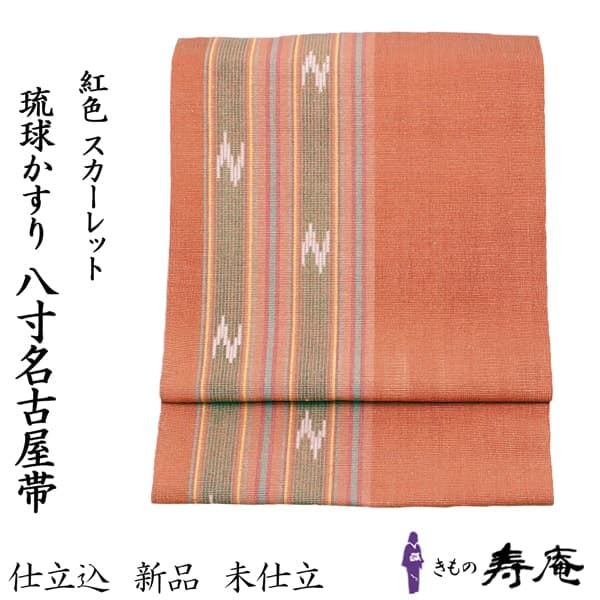
Ryukyu Kasuri Handwoven 8-Sun Nagoya Obi by 桃原厚吉
帯 仕立込 琉球絣 八寸名古屋帯 紬帯 最高級 伝統工芸品 手織 カジュアル用 オレンジ 紅 あかね色 小豆 スカーレット 緑 お茶会 桃原厚吉 新品 未仕立 日本製
un仕立, silk 100%帯きもの寿庵 京都発 新品和装専門
5.0 / 1 reviews
¥98,000
View on Rakuten →Japanese · new tab
Japanese name琉球絣
In Okinawa’s Haebaru Town, pre-dyed thread becomes geometric cloth; Ryukyu Kasuri Hall at Motobu 157 and nearby Kasuri Road keep the textile close to workshops, loom sounds, hands-on learning, and new weavers.
Information updated 71 days ago
3 images帯 仕立込 琉球絣 八寸名古屋帯 紬帯 最高級 伝統工芸品 手織 カジュアル用 オレンジ 紅 あかね色 小豆 スカーレット 緑 お茶会 桃原厚吉 新品 未仕立 日本製
un仕立, silk 100%帯きもの寿庵 京都発 新品和装専門
5.0 / 1 reviews
¥98,000
View on Rakuten →Japanese · new tab
 3 images
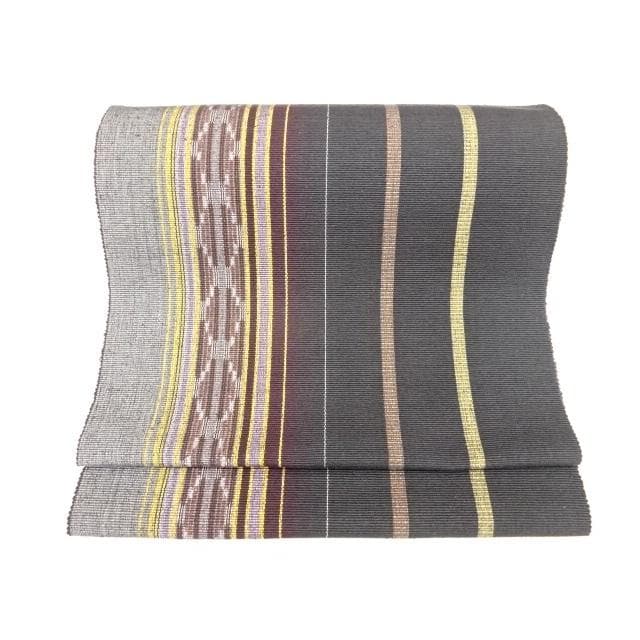
名古屋帯 琉球絣 八寸名古屋帯 本場 琉球 琉球かすり 手織り 手おり 沖縄県 南風原町 桃原織物 八寸 なごや帯 反物 帯地 未仕立て 正絹 シルク 絹100% 日本製 紬訪問着 色無地 小紋 紬 つむぎ 仕立 高級 上品 老舗 伝統 特価 逸品 技術 繊細
Ryukyu black, un仕立て fabric rollきもの 本多屋 楽天市場店
¥129,800
View on Rakuten →Japanese · new tab
Ryukyu kasuri begins with thread before it becomes pattern. Selected sections of yarn are dyed ahead of weaving, and the alignment of dyed and undyed parts creates geometric forms on the loom. The textile is closely tied to Haebaru Town in Okinawa, where Ryukyu Kasuri Hall stands at Motobu 157 along Kasuri Road, near the Kyan, Teruya, and Motobu communities known for workshop scenes and the sound of looms.
Ryukyu Kasuri Hall stands at Haebaru Town Motobu 157, along Kasuri Road, and serves as the base of the Ryukyu Kasuri Cooperative. The hall brings together displays, outreach, learning, hands-on weaving, and successor training, so finished cloth, loom work, and teaching activity meet at one address.
Haebaru Town is the main production area for Ryukyu kasuri, and the hall’s place on Kasuri Road gives the textile a concrete setting. Town, road, nearby communities, cooperative hall, and workshop activity all sit behind the geometric cloth.
The recognizable geometry of Ryukyu kasuri begins before weaving. Sections of thread are dyed in advance; when warp and weft meet on the loom, dyed and undyed parts align to form the pattern on the cloth.
Haebaru handwork is expressed through the phrase one thread, one weave. The rich colors and patterns of the town’s textiles are tied to repeated technical introduction, improvement, and the effort of craftspeople, which gives the surface geometry both planning and hand adjustment.
Kasuri Road passes through the area around Ryukyu Kasuri Hall, including Kyan, Teruya, and Motobu. These communities are associated with workshops and craftspeople, and the walking route is known for work scenes and the sound of looms.
The road places Ryukyu kasuri in an everyday setting of workshops, looms, thread, cloth, and neighborhood streets. In the same area, Ryukyu Kasuri Hall offers observation, displays, and reserved weaving experiences, making the walking route a practical entrance into Haebaru’s textile work.
The craft history attached to kasuri links Southeast Asia, the Ryukyu Kingdom, and Edo-period Japan. That route gives Ryukyu kasuri a maritime and regional background while keeping the focus on concrete movement of textile technique, thread, and weaving practice.
Haebaru is also the production area where Ryukyu kasuri and Haebaru hanaori have been handed down since the Ryukyu Kingdom period. The cooperative was established in 1975, the Ryukyu Kasuri no Sato declaration followed in 1977, and Ryukyu kasuri received national traditional craft designation in 1983; these milestones show how town, cooperative, and makers carried the textile into recent institutions and present activity.
Ryukyu kasuri appears today as obi, kimono cloth, and small goods, as well as wear, neckties, bags, pouches, business-card cases, fans, coasters, and kariyushi wear. These forms move the geometric cloth from formal textile formats into objects worn, carried, and placed on a desk or table.
At Ryukyu Kasuri Hall, listed items such as wear, neckties, bags, and pouches are handmade by craftspeople. A necktie, pouch, or kariyushi shirt still points back to pre-dyed thread, loom alignment, and hand weaving.
The Ryukyu Kasuri Cooperative works on successor training, shared raw-material handling, weaving experiences, and displays. As of June 2021, the cooperative had 54 members, a number that gives Haebaru’s textile community a visible scale.
The hall’s experience corner, observation opportunities, and reserved weaving programs let adults and children encounter Ryukyu kasuri directly. The cooperative also posts notices related to successor training and weaving trainees, making the next generation of weavers part of the textile’s current life in Haebaru.
Ryukyu kasuri holds attention through places and objects: Haebaru Town, Motobu 157, Kasuri Road, Kyan, Teruya, and Motobu give the textile a clear ground; pre-dyed thread, loom alignment, obi, kimono cloth, kariyushi wear, and small goods keep it close to hands, bodies, and daily use.
Compiled from public records and official sources; see the recognition links below. Details may change over time.
Where this selection is officially registered, designated, or recognized in Japan.
It is written 琉球絣 in Japanese. Search Rakuten and other Japanese sites with that spelling — the English name will not return the listings.
Naturally dyed textiles shed some colour on first wash. Hand-wash separately with a neutral detergent, avoid long soaking and bleach, and dry in the shade to prevent fading. Silk, ramie, and traditionally dyed pieces often need professional cleaning — the care label on the listing takes precedence.
Ryukyu kasuri is a textiles from Okinawa. We compile its regional connection and characteristics against official registries, local sources, and live Rakuten listings.
Most options are shelf-stable, boxed, and travel well, so they suit gifting or bringing home. Confirm the final storage and delivery terms on the Rakuten listing.
We don't sell directly. This page compiles Rakuten listings and affiliate links; purchase, payment, stock, and delivery all happen on the Rakuten listing.