 3 images
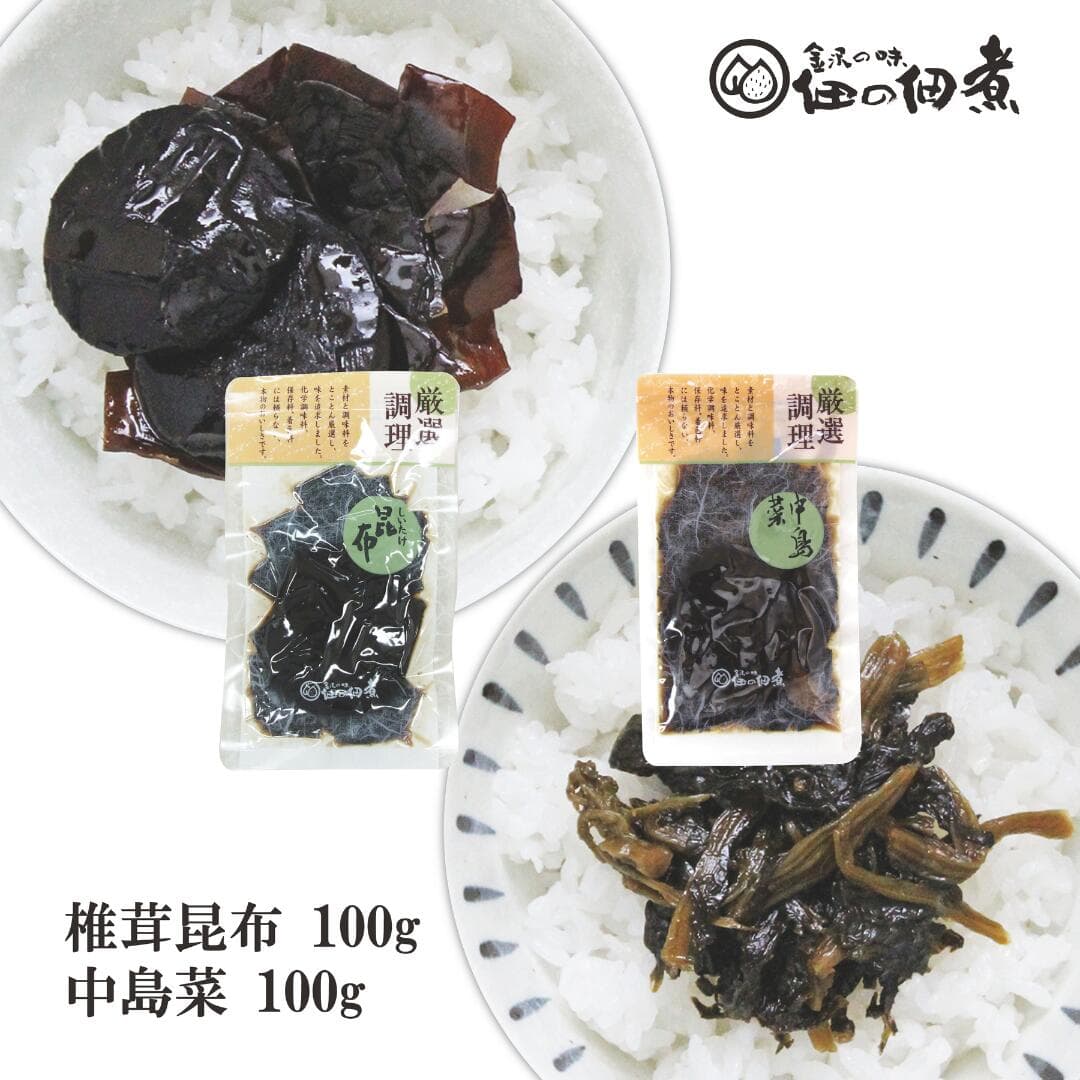
佃の佃煮 椎茸昆布 100g 中島菜 100g 無添加 老舗の味 ごはんのお供 おつまみ 常備菜 敬老の日 母の日 父の日 ギフト 内祝 内祝い お取り寄せ グルメ お歳暮 御歳暮 冬ギフト プレゼント 金沢名物 金沢
金沢の味「佃の佃煮」楽天市場店
4.6 / 11 reviews
Japanese · new tab
Nakajimana is presented here as an Ishikawa vegetable regional product. The supplied evidence only identifies the name "中島菜" in a regional-trademark context, so its strongest documented place tie is that Ishikawa association rather than a specific climate, history, material, or cultivation technique.
Information updated 61 days ago
3 images金沢の味「佃の佃煮」楽天市場店
4.6 / 11 reviews
Japanese · new tab
In Nakajima-machi, Nanao City, near the center of the Noto Peninsula, Nakajima-na is known as a local leafy green. It belongs to the Brassicaceae family and is described as a tsukena or kaburana-type vegetable resembling karashina mustard greens. Its serrated leaves and vivid green stems carry aroma, slight bitterness, and pungency. Around the former Nakajima Town, it was long grown as a household vegetable, often appearing as pickles or ohitashi; in a newer form, dried Nakajima-na powder has also been kneaded into roll bread for Kawasaki school lunches.
Nakajima-na is closely tied to Nakajima-machi in Nanao City, Ishikawa Prefecture. The area sits near the middle of the Noto Peninsula, and accounts of the vegetable point back to cultivation around the former Nakajima Town as a household crop. The named product boundary is tied to kaburana grown in Nanao City’s Nakajima-machi, so the place name, the leafy green, and the growing area belong together.
Terms such as Noto vegetable or Noto traditional vegetable are useful background here. The clearer picture is concrete: fields around Nakajima-machi, a Brassicaceae green, and older home meals where the leaves were eaten as pickles or ohitashi. Those details explain the local continuity around the name.
Nakajima-na is described as a Brassicaceae green that resembles karashina, and as a tsukena or kaburana-type vegetable. Its leaves have jagged edges, and both leaves and stems are a vivid green. On the tongue, the green brings aroma, a gentle bitterness, and pungency. That taste gives simple dishes such as pickles and ohitashi a clear leaf-green character.
Kawasaki’s school-lunch material also describes Nakajima-na as a crop grown toward winter, when pest pressure is lower and pesticide use is limited. The seasonal image is plain and useful: winter fields, bright leaf stems, and a lightly bitter, spicy green that keeps its presence on the plate.
In 2017, grower Taga Shigeo, then 80, described having grown Nakajima-na for 60 years. He said his mother’s generation had also grown it, and that about 50 years earlier it was a vegetable for home meals before it became something his generation shipped. This is one producer’s family memory rather than a complete history of every farm, but it shows how Nakajima-na was carried through ordinary cooking.
The older household background also helps explain why pickles, ohitashi, and mehari sushi appear repeatedly around Nakajima-na. These dishes are practical ways to eat the leaf, the stem texture, the bitterness, and the pungency with rice and daily meals.
Taga Shigeo’s field gives the article one grounded view of cultivation. He spoke of preferring open-field growing because he felt it brought out stronger bitterness and pungency than greenhouse cultivation. He also named rice husks, rice-husk charcoal, and cow manure in his soil work. That account stays at the scale of one grower, but it shows how taste can be linked to field conditions and soil preparation.
In his words, Nakajima-na becomes a green in an open field, shaped by bitterness, heat, rice husks, charcoal, manure, and the hands of a grower who had spent decades with the crop.
The most repeated preparations for Nakajima-na are pickles and ohitashi. In those dishes, the bitterness and pungency can remain part of the green’s character on the table. Kawasaki’s material also names stir-fries and tempura, showing that Nakajima-na can move from salted and blanched dishes into hot preparations.
Taga Shigeo’s account places mehari sushi at the center of local eating and describes the texture of the stem with the faint bitterness of the leaf. When rice, leaf, and stem are eaten together, Nakajima-na’s presence comes from bite and flavor rather than heavy seasoning.
In February 2026, Kawasaki City planned to serve Nakajima-na roll bread in municipal school lunches. The bread used dried Nakajima-na powder processed by JA Noto Wakaba and kneaded into rolls developed with the Kawasaki school bread cooperative. It was scheduled for gradual service at 123 municipal elementary, junior high, and special-needs schools.
This use leaves Nakajima-na’s roots in Nakajima-machi, Nanao City, intact. It changes the form: children encounter the Noto green as powder inside bread, carrying a local vegetable from Nanao’s fields into the routine of another city’s lunch trays.
Nakajima-na is held together by concrete things: the place name Nakajima-machi in Nanao City, serrated Brassicaceae leaves, vivid green stems, the bitter-spicy taste of pickles and ohitashi, rice husks and charcoal in one grower’s soil work, and dried powder in Kawasaki school bread. Through those details, it remains a Noto leafy green eaten across fields, home tables, and school lunches.
Compiled from public records and official sources; see the recognition links below. Details may change over time.
Where this selection is officially registered, designated, or recognized in Japan.
Regional collective trademark
Registered as a Regional Collective Trademark with the Japan Patent Office.
Sources1
Storage varies by product — shelf-stable, refrigerated, or frozen — and is stated on the packaging and the Rakuten listing. Shelf-stable processed foods usually need refrigerating once opened and eating within a few days; chilled and frozen items go straight into storage on arrival. Treat the best-before date on the physical packaging as authoritative.
中島菜 is a regional foods from Ishikawa. We compile its regional connection and characteristics against official registries, local sources, and live Rakuten listings.
This is a temperature- or fragility-sensitive item — before travelling, confirm refrigerated/frozen delivery, packaging, and arrival dates on the Rakuten listing. For gifts, prefer shelf-stable, boxed options.
We don't sell directly. This page compiles Rakuten listings and affiliate links; purchase, payment, stock, and delivery all happen on the Rakuten listing.