 3 images
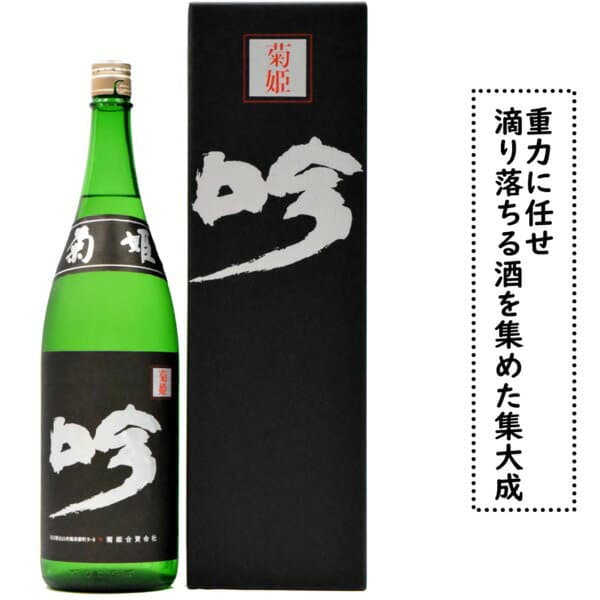
石川県白山市鶴来に位置する 菊姫酒造菊姫 黒吟 滴り落ちる日本酒の髄の酒は贈り物に最適です
金沢の地酒ショップ カガヤ酒店
4.4 / 7 reviews
¥15,730
View on Rakuten →Japanese · new tab
Hakusan is a regional sake (seishu) family tied to Ishikawa through the official GI place name “白山.” The supplied evidence confirms the place name and category, so its appeal is as a locally identified Japanese sake rather than a generic bottle.
Information updated 60 days ago
3 images金沢の地酒ショップ カガヤ酒店
4.4 / 7 reviews
¥15,730
View on Rakuten →Japanese · new tab
Hakusan sake begins in Hakusan City, Ishikawa, where water from Mount Hakusan moves through the Tedori River alluvial fan and becomes brewing groundwater. The local water is rich in calcium and low in potassium, a balance linked to gentle fermentation and the way rice dissolves into umami. Its regional character is concrete: city brewing, Hakusan water, rice and koji requirements, shubo-based fermentation, and five breweries working within a shared local frame.
Hakusan City sits on the Tedori River alluvial fan, with groundwater traced to Mount Hakusan. In brewing, that water matters because it contains more calcium and less potassium; fermentation proceeds gently while rice dissolution is encouraged. The shape of Hakusan sake therefore begins with physical details: Mount Hakusan, the Tedori River, groundwater, rice, and the slow work of fermentation.
Hakusan sake is known for a rich body that draws on rice umami. Within that family, junmai ginjo and ginjo styles are described through gentle fruit-like aroma, moderate acidity, and fullness that supports the rice flavor. These sensory traits stay tied to place and method: Hakusan City water, rice dissolution, shubo-based brewing, and koji rice used at a defined share of the mash.
The name Hakusan Kikuzake gathers several older images: wild chrysanthemums in the upper Tedori River area, river water called kikusui after droplets from chrysanthemum flowers, and the custom of floating chrysanthemum petals in a sake cup. A 1527 diary mentions Hakusan Kikuzake being brought to Kyoto, and writing from around 1700 praises sake from the Tsurugi area made with snowmelt water flowing down the Tedori River. These details give historical context without turning earlier praise into a present-day ranking.
The present Hakusan Kikuzake frame is held by five breweries in Hakusan City: Kanaya Shuzo, Kikuhime, Kobori Shuzo, Shata Shuzo, and Yoshida Shuzo. Each has its own name and path, while the shared frame formed in 2005 around common city-based expectations for water, rice, brewing, and bottling. The producer community behind Hakusan sake is visible in separate breweries working inside the same city boundary.
The practical outline is easy to grasp through brewing details: Hakusan sake is brewed and bottled in Hakusan City, uses water collected in the city, and relies on domestic rice and rice koji that meet grade and polishing conditions. Koji rice must account for at least 20 percent, fermentation is built on shubo, and liquefied mashing is excluded. Hakusan also carries geographical indication status for seishu, and that status points back to practical boundaries of place, water, rice, koji, and shubo.
The newer Kamosu Hakusan category narrows the material picture by requiring rice harvested in Hakusan City, while keeping Hakusan water and city production in view. That condition belongs to Kamosu Hakusan rather than every Hakusan sake. It shows how one category draws the relationship between local water and local rice even closer inside the same city.
Hakusan sake can be understood through Hakusan City’s physical and brewing details: Mount Hakusan water, the Tedori River fan, calcium-rich and potassium-low groundwater, rice umami, koji rice, shubo, and five breweries sharing a local frame. Read alongside the Kikuzake name, the 1527 Kyoto mention, and today’s city-based brewing boundaries, its rounded body becomes the result of water, rice, and fermentation being kept close to one place.
Compiled from public records and official sources; see the recognition links below. Details may change over time.
Where this selection is officially registered, designated, or recognized in Japan.
Geographical Indication (GI)
Registered under Japan's Geographical Indication Protection System, run by the Ministry of Agriculture, Forestry and Fisheries.
Sources1
Sake is damaged by light and heat, so keep it dark and cool. Namazake and namazume must stay refrigerated throughout, and any bottle should be refrigerated and finished within a few days of opening. Serving temperature is a matter of style rather than rule — ginjo types show their aroma best chilled (around 10°C), while junmai types are fuller warmed to 40–50°C. We don't sell alcohol; purchase and age verification happen on the Rakuten listing.
白山 is a sake & spirits from Ishikawa. We compile its regional connection and characteristics against official registries, local sources, and live Rakuten listings.
This is a temperature- or fragility-sensitive item — before travelling, confirm refrigerated/frozen delivery, packaging, and arrival dates on the Rakuten listing. For gifts, prefer shelf-stable, boxed options.
We don't sell directly. This page compiles Rakuten listings and affiliate links; purchase, payment, stock, and delivery all happen on the Rakuten listing.