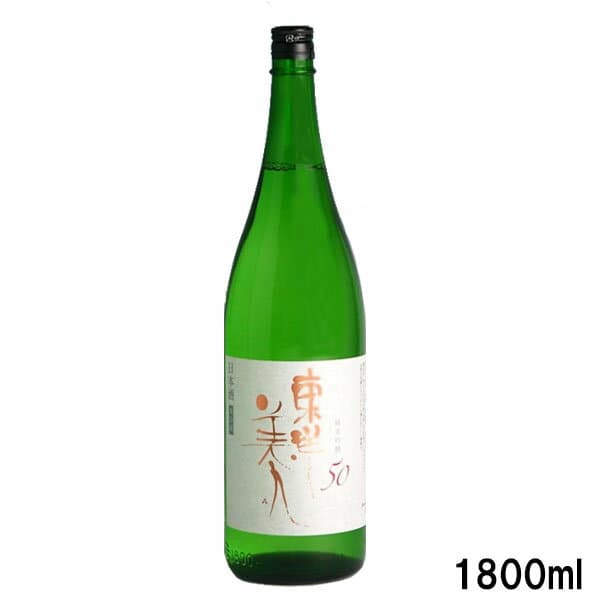
萩
Hagi is a Yamaguchi regional sake family identified in the official GI evidence as “萩” and described by the supplied term “清酒.” The place connection is the Hagi name itself: the evidence ties this sake category to Hagi in Yamaguchi, though it does not provide specific climate, material, history, or brewing-technique details.
- Form
- 清酒
Information updated 65 days ago
Hagi Sake, Soft Water, and Local Rice in Northern Yamaguchi
Hagi sake begins with a compact landscape at the western end of Honshu. Hagi City and Abu Town sit in northern Yamaguchi, facing the Sea of Japan to the north and enclosed elsewhere by mountains of about 400 meters. Its soft water feel, rice-derived umami, refreshing acidity, and clean finish make sense through narrow flats, rivers, Abu lava plateaus, and mountain rice land.
Hagi City, Abu Town, and the Sea
The home of Hagi sake is Hagi City and Abu Town in northern Yamaguchi. As a geographical indication for seishu, the name connects the cup to those two municipalities and to the sake category. At the western end of Honshu, the area faces the Sea of Japan on its north side, while the other directions are held by mountains of about 400 meters and limited flat land.
Mountains and Narrow Flats
The geography of Hagi sake is small in scale and easy to picture: a north-facing coast, mountain edges, and only certain level places where rice fields can take hold. The limited flat land matters because the sake is described through local rice and water. Sea, mountain, and narrow plateau give the drink its first concrete frame.
Abu Lava and River-Cut Rice Land
Small lava plateaus formed by the Abu volcanic group are scattered through the area. The Abu, Kurameki, and Tamagawa rivers run between them in complex courses, and river erosion together with the lava plateaus created small, well-drained clayey flats in mountain districts such as Mutsumi and Fukue. Rice cultivation has long been active on these flats, so the rice behind Hagi sake is linked to plateau, river, soil, and drainage.
Soft Low-Mineral Water
The brewing water is described as good-quality, soft, and low in minerals, associated with volcanic rocks and granite spread through the region. Hagi sake is brewed from locally harvested rice and this soft water, giving it rounded rice-derived umami and refreshing acidity. Softness here points to concrete things: low-mineral water, local rice, and the clean line they leave in the glass.
Rice Umami and a Clean Finish
The taste of Hagi sake is built around generous yet elegant rice umami and bright acidity. Its finish keeps a measure of umami, while acidity, bitterness, and alcohol sensation cut cleanly. That clean ending helps the sake sit beside food without weighing down the meal, connecting local rice and soft water to an actual table setting.
Banana, Lychee, and Green Bamboo
The aroma can be approached through specific notes: banana, melon, and lychee, together with scents reminiscent of green bamboo and fresh greenery. In ginjo styles, apple and pineapple-like aromas become more pronounced. These markers keep the tasting language concrete, placing fruit brightness, green freshness, rice umami, and acidity in the same cup.
White Fish and Kamaboko
The clean finish gives Hagi sake a natural place beside Hagi white fish and kamaboko. The mild flavors of white fish and kamaboko are supported by refreshing acidity and rice umami, while the meal keeps its own clear outline. The pairing brings the region’s water, rice, and sea-facing food into one quiet table scene.
The clearest image of Hagi sake comes from its materials and places. Hagi City and Abu Town, the Sea of Japan, small mountain plateaus, rivers such as the Abu, soft low-mineral water, local rice, and aromas of banana, green bamboo, apple, or pineapple already give it shape. Its most direct table image is a clean rice-umami finish beside Hagi white fish and kamaboko.
Compiled from public records and official sources; see the recognition links below. Details may change over time.
Recognition & registration
Where this selection is officially registered, designated, or recognized in Japan.
Geographical Indication (GI)
Registered under Japan's Geographical Indication Protection System, run by the Ministry of Agriculture, Forestry and Fisheries.
Sources1
FAQ
How should 萩 be stored and served?
Sake is damaged by light and heat, so keep it dark and cool. Namazake and namazume must stay refrigerated throughout, and any bottle should be refrigerated and finished within a few days of opening. Serving temperature is a matter of style rather than rule — ginjo types show their aroma best chilled (around 10°C), while junmai types are fuller warmed to 40–50°C. We don't sell alcohol; purchase and age verification happen on the Rakuten listing.
What is 萩?
萩 is a sake & spirits from Yamaguchi. We compile its regional connection and characteristics against official registries, local sources, and live Rakuten listings.
Is 萩 a good gift or something to bring home?
This is a temperature- or fragility-sensitive item — before travelling, confirm refrigerated/frozen delivery, packaging, and arrival dates on the Rakuten listing. For gifts, prefer shelf-stable, boxed options.
Where can I buy 萩?
We don't sell directly. This page compiles Rakuten listings and affiliate links; purchase, payment, stock, and delivery all happen on the Rakuten listing.