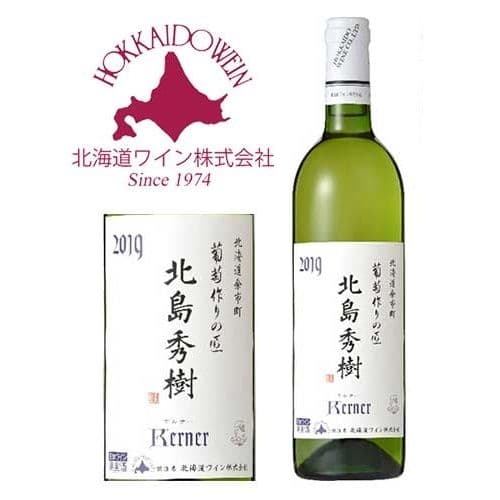
Hokkaido Wine Hideki Kitajima Kerner Dry White Wine
北海道ワイン 葡萄作りの匠 北島秀樹ケルナー 辛口 750ml [BDC]|北海道産 白ワイン グルメ お酒 プレゼント おしゃれ 男性 女性 お父さん 誕生日 お祝い お礼 挨拶
750mlGift-ready
北海道新発見ファクトリー
Japanese name北海道ワイン
A technical circle formed by six Hokkaido wine makers in 1984 now connects 40 members, vineyard training in Mikasa and a Sapporo tasting evening that has continued since 1996.
Information last updated 83 days ago
Ordering from abroad works when the recipient has a Japanese address.
2 of the 3 listings below are sold as gifts in the shop's own wording (ギフト, のし対応 …), marked “Gift-ready”.
北海道ワイン 葡萄作りの匠 北島秀樹ケルナー 辛口 750ml [BDC]|北海道産 白ワイン グルメ お酒 プレゼント おしゃれ 男性 女性 お父さん 誕生日 お祝い お礼 挨拶
北海道新発見ファクトリー
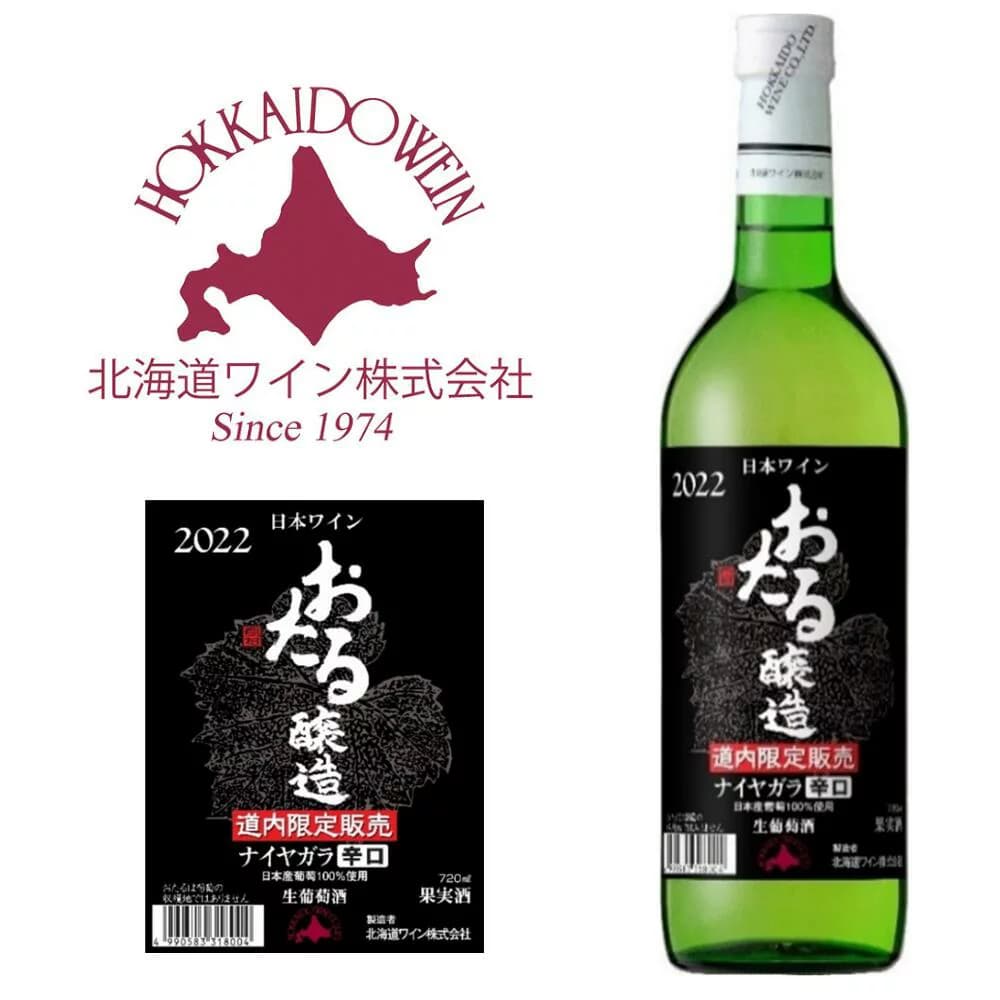
北海道ワイン 道内限定販売 おたるナイヤガラ 辛口(白) 720ml [BDC]|北海道産 白ワイン お酒 プレゼント おしゃれ 男性 女性 お父さん 誕生日 お祝い お礼 挨拶
北海道新発見ファクトリー
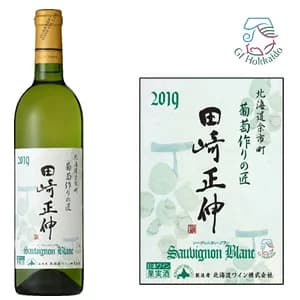
北海道ワイン 葡萄作りの匠 田崎正伸ソーヴィニヨン・ブラン 白 辛口(750ml)【4990583313498】 GI北海道認定ワイン 葡萄酒 女子会 宅飲み
PASSIOS(パシオズ)
First time buying on Rakuten? How residents in Japan order →
Hokkaido Wine, as a regional product family, extends across an island map rather than a single company name. Hokkaido Wine Co., Ltd. appears as one member, while the broader regional network reaches Ikeda, Furano, Nanae, Otaru, Yoichi, Chitose, Mikasa, Iwamizawa, Sapporo, Niki and other parts of Hokkaido. The producer circle began in 1984, when six Hokkaido wine makers formed the Dosan Wine Roundtable for technical improvement and exchange. After the 2024 name change to the Hokkaido Winery Association, the network counted 40 members and three associate members by that December.
The place behind Hokkaido Wine is a map made from winery names and Hokkaido communities: Ikeda in Tokachi, inland Furano, southern Nanae, coastal Otaru and Yoichi, plus Chitose, Mikasa, Iwamizawa, Sapporo and Niki. Read together, those places turn the family into an island-wide network of vineyards, cellars, training rooms and tasting gatherings. Its local character is concrete: member wineries in named Hokkaido towns, shared events in Sapporo, and technical work that moves between farms and cellars.
Within Japan's geographical indication framework for alcoholic beverages, wine using the Hokkaido place name belongs inside the Japanese wine category, meaning wine made in Japan from domestic grapes. For the Hokkaido name, at least 85 percent of the grapes must be harvested in Hokkaido, and vinification must take place inside the area. The boundary is material and practical: where the grapes are grown, where fermentation happens, how grape and sugar ranges are handled, and how sensory and chemical checks keep the name tied to production standards.
The association's technical exchange becomes visible in places such as Mikasa Farm Center, Yamazaki Winery, Hosui Winery and 10R Winery. In the 2025 summer training, participants attended classroom and field sessions on vine-canopy light reception, leaf removal and cluster temperature, and the ecology of wild birds that fly into vineyards. They also visited research sites at Yamazaki Winery and walked winery and field areas at Hosui and 10R. Continuity here means repeated, practical attention to leaves, grape clusters, birds, vineyard rows and cellar work.
Sapporo gives the network a public table. The evening known as Kita o Hiraku Dosan Wine no Yube has been held since 1996, with recent editions bringing member-winery wines and light hotel food into a standing reception setting in the city. Another kind of table appears in tasting seminars, where winemaking leads explain competition wines and participants ask questions. Through these Sapporo gatherings, drinkers encounter Hokkaido Wine as producers, places, grapes and cellar choices set side by side.
The family's continuity rests on organized work rather than a single founding legend. The Dosan Wine Roundtable began in 1984 with six Hokkaido wine makers focused on technical improvement and exchange; in 2024 the body became the Hokkaido Winery Association, and by December it had 40 members and three associate members. Its activities include general meetings, technical committees, training sessions, cooperation with wine education programs and competition-related seminars. The shape of Hokkaido Wine is sustained by makers who keep returning to grapes, vineyards, cellars and shared study.
Before Hokkaido Wine reaches the glass, three lines give it form: grapes harvested in Hokkaido, vinification inside the area, and a producer network that keeps meeting in vineyards, cellars, classrooms and Sapporo tasting rooms. From Mikasa training sessions to the Sapporo evening that began in 1996, from six makers to 40 members, the regional family is built from place, grape work and repeated exchange.
Compiled from public records and official sources; see the recognition links below. Details may change over time.
Where this product is officially registered, designated, or recognized in Japan.
Geographical Indication (GI)
Registered under Japan's Geographical Indication Protection System, run by the Ministry of Agriculture, Forestry and Fisheries.
Sources1
It is written as 北海道ワイン in Japanese. Search Rakuten and other Japanese sites with that spelling — the English name will not bring up the listings.
Hokkaido wine here refers to a regional wine family, not one company. It began as a technical-exchange circle formed in 1984 among Hokkaido wine makers and later became the Hokkaido Winery Association in 2024. Wine bearing the Hokkaido place name must be Japanese wine, made with at least 85 percent Hokkaido-harvested grapes and vinified within the area.
Hokkaido Wine is treated as a regional product family and should be distinguished from Hokkaido Wine Co., Ltd., which is one of its members. The network's predecessor, the Dosan Wine Roundtable, was formed in 1984 by six Hokkaido wine makers for technical improvement and exchange. The association reached 40 members and three associate members by December 2024, following its rename that year to the Hokkaido Winery Association. Kita o Hiraku Dosan Wine no Yube has been held in Sapporo since 1996, bringing member-winery wines into a tasting event served with light food.
The Sapporo tasting evening, held since 1996, offers member winery wines in a standing reception alongside light hotel food. Tasting seminars and technical trainings let winemaking leads explain their wines while participants exchange questions and visit vineyards and cellars. Competition-wine seminars compare award-winning wines through tasting and commentary from the makers.
Sake is sensitive to light and heat, so keep it dark and cool. Namazake and namazume must stay refrigerated at all times, and any bottle should be refrigerated and finished within a few days of opening. Serving temperature has no fixed rule — ginjo types show their aroma best chilled (around 10°C), while junmai types are fuller when warmed to 40–50°C. We don't sell alcohol; purchase and age verification are on the Rakuten listing.
This is a temperature- or fragility-sensitive item — before travelling, confirm refrigerated/frozen delivery, packaging, and arrival dates on the Rakuten listing. For gifts, prefer shelf-stable, boxed options.
On Rakuten: the shops listed here right now are 北海道新発見ファクトリー, PASSIOS(パシオズ). We don't sell directly; purchase, payment, stock, and delivery are all handled on the Rakuten product page.