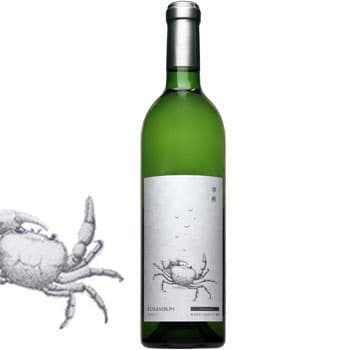
KURAMBON Koshu Dry White Wine
くらむぼんワイン[KURAMBON 甲州 750ml 白 辛口]日本ワイン 甲州ワイン 白ワイン 国産ワイン 山梨ワイン カニ ワイン 勝沼 Japanese wine
750mlあったあった
5.0 / 2 reviews
¥1,980
View on Rakuten →Japanese · new tab
Japanese name山梨ワイン
Yamanashi Wine is a regional Japanese wine family from Yamanashi, presented here as a local alcohol gift category. The supplied official GI evidence names “山梨ワイン,” so its strongest place connection is the protected regional designation itself rather than a documented maker, climate story, or technique in the provided snippets.
Information updated 2 days ago
くらむぼんワイン[KURAMBON 甲州 750ml 白 辛口]日本ワイン 甲州ワイン 白ワイン 国産ワイン 山梨ワイン カニ ワイン 勝沼 Japanese wine
750mlあったあった
5.0 / 2 reviews
¥1,980
View on Rakuten →Japanese · new tab
 3 images
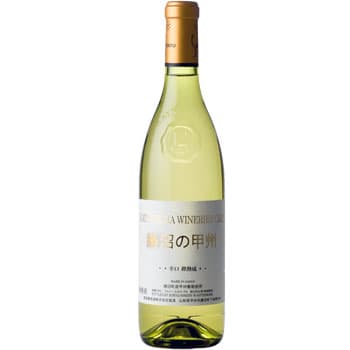
蒼龍葡萄酒[勝沼の甲州 樽熟成 720ml]日本ワイン 甲州ワイン 白ワイン 辛口 国産 山梨ワイン Japanese wine
720mlあったあった
4.9 / 12 reviews
¥2,046
View on Rakuten →Japanese · new tab
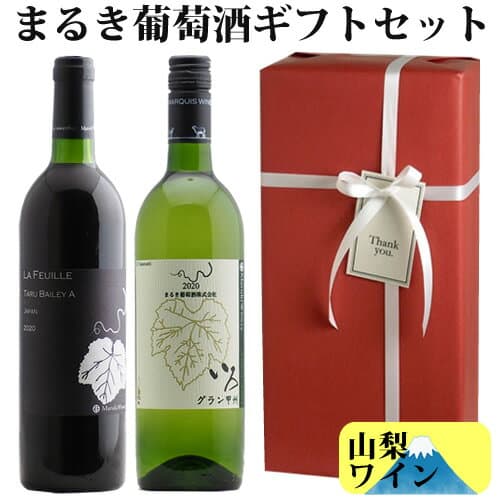
【ワインギフト】まるきワイナリーギフト(赤1、白1)山梨ワイン【ラッピング&メッセージカードまたは熨斗付き】誕生日 結婚祝い 新築祝い お祝い 還暦祝い 出産祝い 御祝 御礼 内祝 贈り物 プレゼント ワイン ギフト 赤白ワイン
750ml x 2 bottles (red and white)ボックスワインのお手軽ワイン館
¥5,610
View on Rakuten →Japanese · new tab
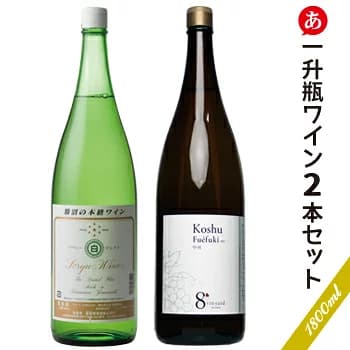
日本ワイン セット【売れ筋一升瓶・白ワイン2本セット(1800ml×2)】送料無料 一升瓶ワイン 甲州ワイン 白ワイン 辛口 国産 山梨ワイン 蒼龍 ニュー山梨 贈り物 ワイン Japanese wine
1800ml x 2 bottlesあったあった
3.7 / 6 reviews
¥5,369
View on Rakuten →Japanese · new tab
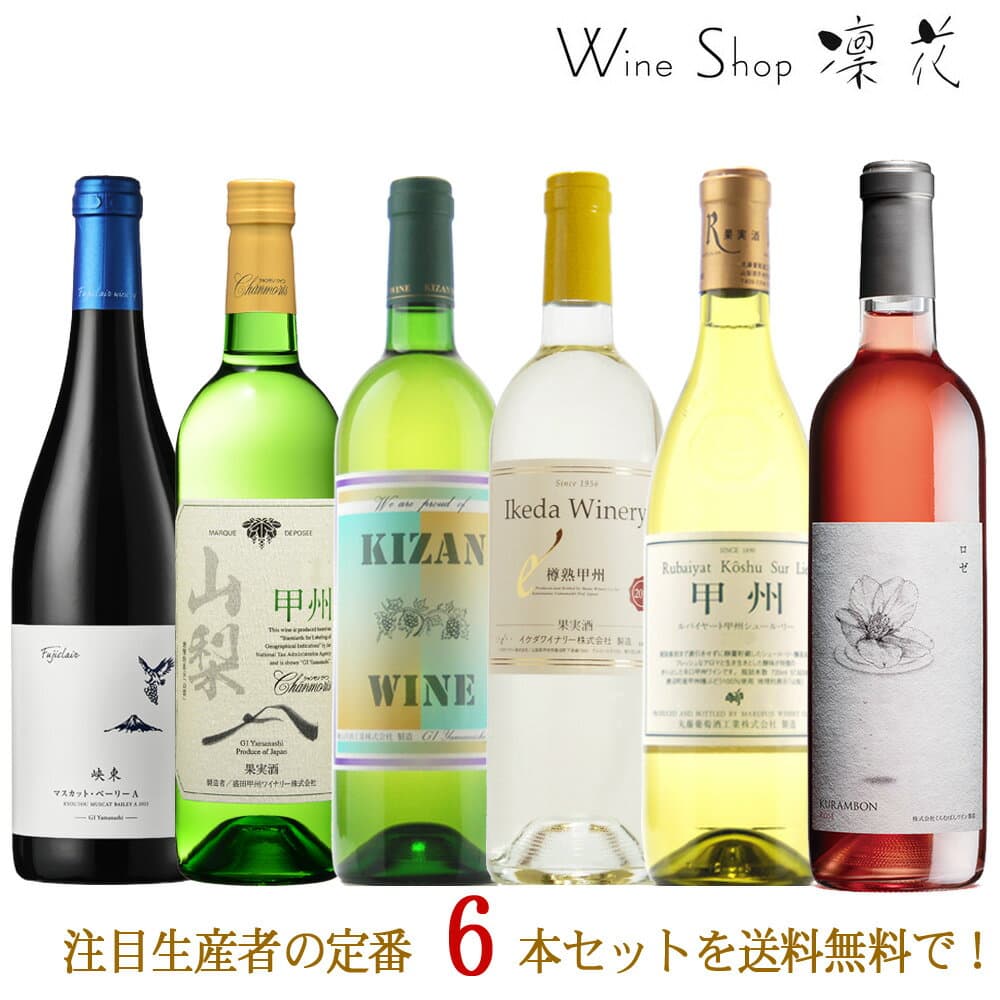 3 images
甲州ワイン注目生産者の定番6本セット 現行ヴィンテージ 飲み比べ 人気 ワインセット 日本ワイン 厳選 至極 wine 送料無料
Current vintage, 6 bottles (720ml or 750ml)甲州セラー凛花ウェブショップ
4.8 / 11 reviews
¥13,314
View on Rakuten →Japanese · new tab
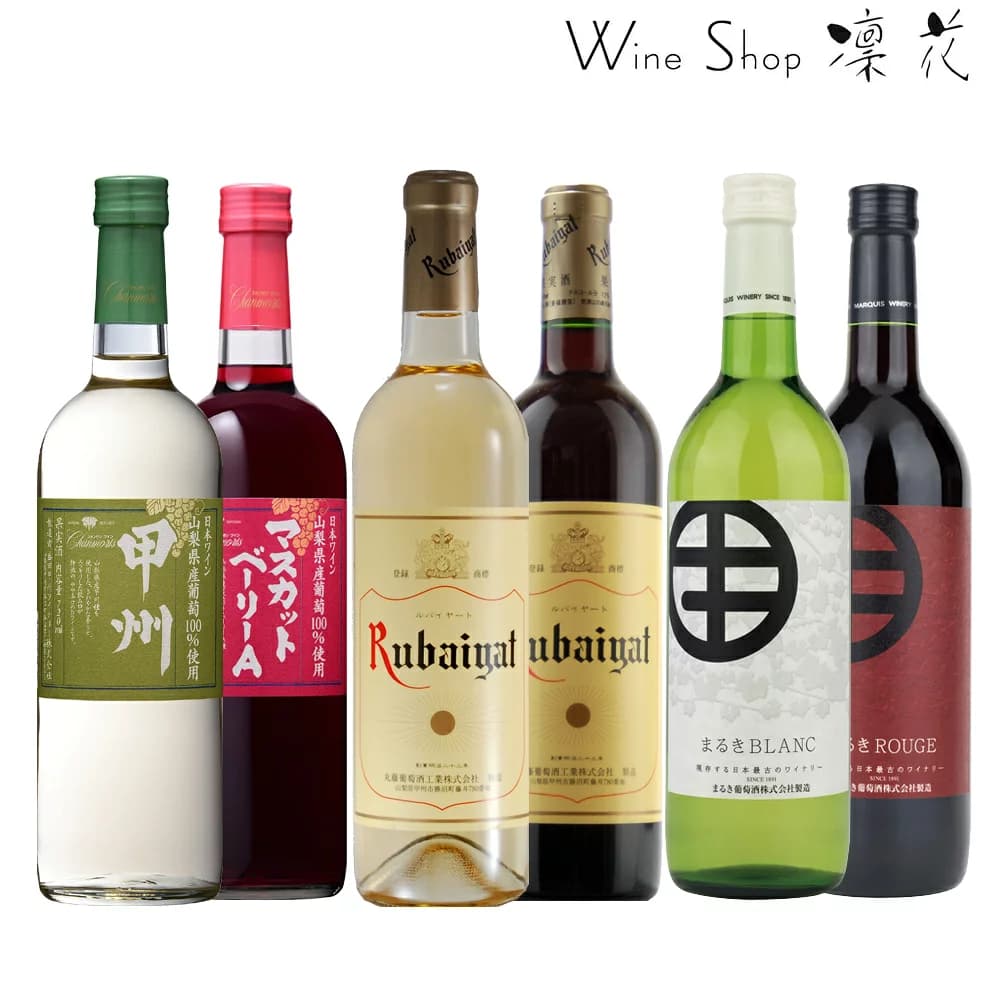 3 images
甲州ワイン 飲み比べ 6本セット 現行ヴィンテージ ワインセット 日本ワイン 赤ワイン 白ワイン 厳選 wine 家飲み パーティー 送料無料
720ml x 6 bottles甲州セラー凛花ウェブショップ
4.8 / 11 reviews
¥8,923
View on Rakuten →Japanese · new tab
All 6 listings of this product on Rakuten, lowest price first.
| Listing | Price | Shop | Reviews | Open listing |
|---|---|---|---|---|
KURAMBON Koshu Dry White Wine 750mlLowest price | ¥1,980 | あったあった | 5.0 / 2 reviews | View on Rakuten → |
Soryu Budoshu Katsunuma Koshu Barrel-Aged Dry White Wine 720mlMost reviewed | ¥2,046 | あったあった | 4.9 / 12 reviews | View on Rakuten → |
Soryu & New Yamanashi Koshu Dry White Wine Set 1800ml x 2 bottlesGift-ready | ¥5,369 | あったあった | 3.7 / 6 reviews | View on Rakuten → |
Maruki Winery Yamanashi Red and White Wine Gift Set 750ml x 2 bottles (red and white)Gift-ready | ¥5,610 | ボックスワインのお手軽ワイン館 | View on Rakuten → | |
Yamanashi Koshu Red and White Wine Tasting Set 720ml x 6 bottlesSmall size to try | ¥8,923 | 甲州セラー凛花ウェブショップ | 4.8 / 11 reviews | View on Rakuten → |
Koshu Wine Featured Producers Classic Tasting Set Current vintage, 6 bottles (720ml or 750ml)Small size to try | ¥13,314 | 甲州セラー凛花ウェブショップ | 4.8 / 11 reviews | View on Rakuten → |
Japanese · new tab
Yamanashi wine comes into focus through places such as Kofu, Koshu, Fuefuki, Yamanashi City, Hokuto, and Minami-Alps. The prefecture gathers roughly 100 wineries and produces about 30 percent of Japan’s wine, while Katsunuma gives the family a clear early Meiji starting point and a climate-linked home for Koshu grapes. To follow Yamanashi wine is to move among two Katsunuma youths who studied in France, white wines for washoku, lees contact, barrels, orange wine, sparkling wine, cellar visits, training, and harvest-season gatherings.
In the early Meiji era, two young people from Katsunuma went to France to study winemaking, then brought the technique back to their home area. That beginning is concrete: Katsunuma, France, a learned cellar method, and the return of that knowledge to Yamanashi. Yamanashi is known as the birthplace of Japanese wine production, and today the prefecture gathers roughly 100 wineries while producing about 30 percent of Japan’s wine; the early Katsunuma episode therefore connects to a present landscape of wineries still working across the prefecture.
Yamanashi wine is held by a network of towns and cities: Kofu, Koshu, Fuefuki, Yamanashi City, Hokuto, Minami-Alps, and other municipalities form the prefectural map. Katsunuma north, Katsunuma south, Enzan, Fuefuki, and Yamanashi City add smaller working districts to that map. The region includes long-running Meiji-era wineries as well as wineries founded in the Heisei period, so the place is shaped by both older cellars and newer producers working inside the same prefecture.
Koshu grapes are one of Yamanashi wine’s strongest material anchors. The grape carries a cautious route: roots around the Caucasus and the Caspian Sea, movement through the Silk Road and China alongside Buddhism, and settlement in Katsunuma because the local climate and conditions suited it. That chain gives the grape a physical path, a named town, and a climatic reason for its place in Yamanashi wine rather than leaving Koshu as a loose varietal name.
White wine made from Yamanashi’s Koshu grapes is known for a flavor that suits washoku. The pairing rests on two concrete things: the Koshu grape in the glass and Japanese dishes on the table, with the wine’s taste fitting that food setting. This use brings Yamanashi wine out of cellar vocabulary and into a meal built from a white wine, a plate of washoku, and the rhythm of eating and drinking together.
Yamanashi Koshu wine is not confined to one cellar method. Sur lie keeps the wine in contact with lees after fermentation to draw out thickness of taste, while barrel use gives the same grape another route through the cellar. Orange wine is made with grape skins, drawing aroma and color from the skins into a vivid orange liquid; sparkling wine adds another form to the region’s range. Lees, wood, skins, and bubbles give the reader tangible ways to understand the styles made in Yamanashi.
Wineries in Yamanashi differ in taste and atmosphere, and some offer staff explanations of history, fermentation methods, and ways to drink. Some places also provide cellar visits, bottling experiences, grape foot-stomping, and harvest festivals during the grape harvest season. The Yamanashi Winery Association’s appraisal events, workshops, SDGs activity, and winery training turn the producer community into meetings and repeated learning, while Yamanashi’s geographical indication ties the name to production area, quality, and reputation.
Yamanashi wine is built from connected details: Katsunuma’s early Meiji beginning, wineries from Kofu to Fuefuki, Koshu grapes at the washoku table, and cellar work with lees, barrels, skins, and bubbles. Seen through those details, Yamanashi is a wine region shaped by grapes, wineries, training, tastings, and harvest-season gatherings.
Compiled from public records and official sources; see the recognition links below. Details may change over time.
Where this selection is officially registered, designated, or recognized in Japan.
Geographical Indication (GI)
Registered under Japan's Geographical Indication Protection System, run by the Ministry of Agriculture, Forestry and Fisheries.
Sources1
It is written 山梨ワイン in Japanese. Search Rakuten and other Japanese sites with that spelling — the English name will not return the listings.
Sake is damaged by light and heat, so keep it dark and cool. Namazake and namazume must stay refrigerated throughout, and any bottle should be refrigerated and finished within a few days of opening. Serving temperature is a matter of style rather than rule — ginjo types show their aroma best chilled (around 10°C), while junmai types are fuller warmed to 40–50°C. We don't sell alcohol; purchase and age verification happen on the Rakuten listing.
Yamanashi wine is a sake & spirits from Yamanashi. We compile its regional connection and characteristics against official registries, local sources, and live Rakuten listings.
This is a temperature- or fragility-sensitive item — before travelling, confirm refrigerated/frozen delivery, packaging, and arrival dates on the Rakuten listing. For gifts, prefer shelf-stable, boxed options.
We don't sell directly. This page compiles Rakuten listings and affiliate links; purchase, payment, stock, and delivery all happen on the Rakuten listing.