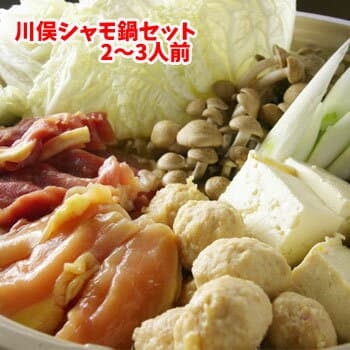
Kawamata Shamo Hot Pot Set
川俣シャモ鍋セット(2~3人前)福島県ブランド認証地鶏 軍鶏 地鶏 あぶくま高原 年末 年始 お正月 家族 友人 お取り寄せ グルメ 冷凍便 送料無料 御歳暮 お歳暮
2-3 servingsこだわり横丁 ふくしまや
4.9 / 19 reviews
Japanese name川俣シャモ
In Fukushima’s Kawamata Town, chicks are hatched, brooded, raised, and shipped within one town; floor rearing, dedicated feed, and low-density houses shape a firm bite and deep umami.
Information last updated 121 days ago
川俣シャモ鍋セット(2~3人前)福島県ブランド認証地鶏 軍鶏 地鶏 あぶくま高原 年末 年始 お正月 家族 友人 お取り寄せ グルメ 冷凍便 送料無料 御歳暮 お歳暮
2-3 servingsこだわり横丁 ふくしまや
4.9 / 19 reviews
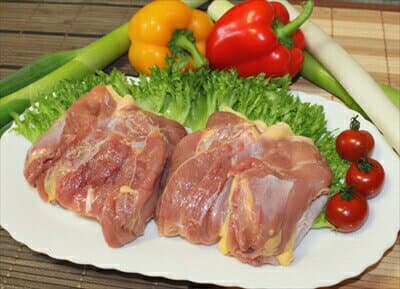
川俣シャモ モモ肉(冷凍) 1kg (沖縄・離島配送不可) しゃも鍋にも最適
1 kgネットキング
5.0 / 1 reviews
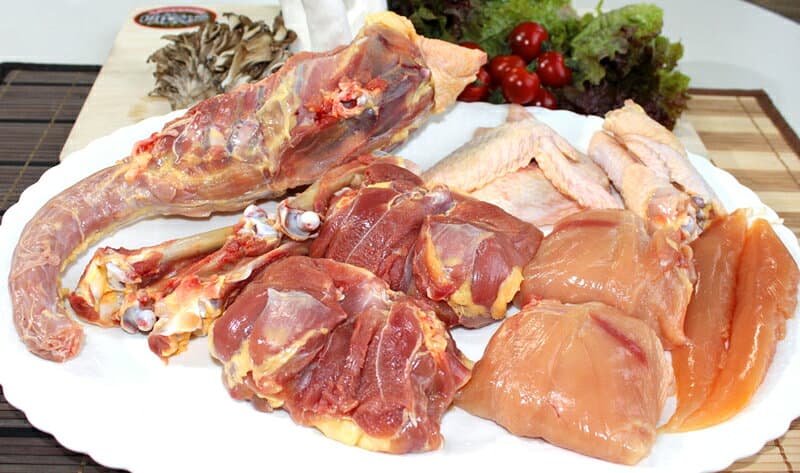
福島県 川俣軍鶏(しゃも) 生・中抜きバラシ1羽セット(約1.6〜1.8kg)平飼い鶏舎、これぞ天然鶏の味だ! 川俣シャモ 生肉 産地直送です 水炊き、焼き鳥、から揚げにどうぞ 食べ応え100%
1 bird, approx. 1.6-1.8 kg自然堂本舗
5.0 / 2 reviews
First time buying on Rakuten? How residents in Japan order →
Kawamata Shamo begins with a precise place: Kawamata Town in Date District, Fukushima Prefecture. Production areas sit around 200 meters or higher, with summer winds coming down from the Abukuma mountains, and townwide management covers breeding stock, hatching, brooding, fattening, and shipment for chicken raised in Kawamata.
Kawamata prospered through silk weaving, and in the Edo period wealthy weaving-house owners kept shamo for cockfighting and also ate the birds. Modern Kawamata Shamo grows from that town background into organized meat production: a meat-shamo research group formed in 1985, sales under the Kawamata Shamo name began in July 1987, and the current crossbreeding pattern was set in 2008.
The production network is local and specific. The Kawamata Shamo Promotion Association connects 14 shamo farms in Kawamata Town around Kawamata Shamo Farm, while the town’s agricultural promotion corporation handles later processing and sales work. Farmers use shared methods and shared feed, so a bird’s path from hatching to maturity stays inside the same town system.
Chicks hatched in Kawamata are raised in a dedicated chick house until day 28, then moved into adult houses for floor rearing. One production boundary sets at least 80 days after day 28 and no more than seven birds per square meter; a producer account describes a wider daily practice of about three to four birds per square meter and 110 to 120 rearing days. Kept separate, the two descriptions show how time and space inside the chicken house shape the meat.
The feed program is also staged. Kawamata Shamo receives dedicated feed: until roughly day 35, corn is combined with vegetable oilseed meal and fish meal; from day 36 onward, the corn share rises and fat content is reduced to support the strong umami associated with shamo. Kawamata Town also describes manual-based management, beneficial bacteria, and chicken-house care, turning the method into a daily routine rather than a label.
The meat is known for the springy texture and clean bite associated with jidori, with umami that comes through as it is chewed. The composition details are concrete: lower moisture, higher crude fat, and a higher oleic-acid ratio. Those facts support texture and flavor, not health or nutrition claims.
Kawamata Town’s cooking examples are practical: jidori hot pot, meatball hot pot, chicken soup, smoked shamo, roast chicken, fried shamo, curry, and minced cutlets. Simmered dishes let meatballs and broth carry the umami, smoke and roasting hold the fat aroma near the surface, and frying wraps the firm meat in a crisp exterior.
The 2011 disaster cut production by nearly 60 percent, and producers shifted from outdoor rearing to chicken houses. Producer accounts mention safety checks and recovery above the earlier production level; the point is not to make Kawamata Shamo stand for all Fukushima foods, but to show how farmers in one town reconnected houses, feed, checks, and shared methods to daily production.
Kawamata Shamo is defined by Kawamata Town: Abukuma wind, a silk-weaving background with gamefowl, chicks hatched in town, staged feed, floor-rearing houses, and a network of farmers. In hot pot, soup, smoked chicken, roast, or fried dishes, the lasting impression is physical and direct: firm meat, a clear bite, and umami that opens slowly as it is chewed.
Compiled from public records and official sources; see the recognition links below. Details may change over time.
Where this product is officially registered, designated, or recognized in Japan.
Geographical Indication (GI)
Registered under Japan's Geographical Indication Protection System, run by the Ministry of Agriculture, Forestry and Fisheries.
Sources1
It is written as 川俣シャモ in Japanese. Search Rakuten and other Japanese sites with that spelling — the English name will not bring up the listings.
Kawamata Shamo is a jidori meat family from Kawamata Town in Date District, Fukushima Prefecture, with townwide management from breeding stock through shipment. Its background connects to shamo kept by silk-weaving households, while modern production began with a 1985 research group, 1987 sales launch, and 2008 crossbreeding pattern. Floor rearing, dedicated feed, low-density houses, and longer rearing shape firm meat with slow-releasing umami.
The name is limited to jidori raised in Kawamata Town. Production areas are around 200 meters or higher, with summer winds descending from the Abukuma mountains. Edo-period weaving-house owners kept shamo for cockfighting and food. A meat-shamo research group formed in 1985, sales began in July 1987, and the current crossbreeding pattern was established in 2008.
It is used in hot pot, smoked chicken, roast, and fried dishes. Kawamata Town lists dishes including jidori hot pot, meatball hot pot, soup, smoked shamo, roast chicken, fried shamo, curry, and minced cutlets.
Storage varies by product — shelf-stable, refrigerated, or frozen — and is stated on the packaging and the Rakuten listing. Shelf-stable processed foods usually need refrigerating once opened and eating within a few days; chilled and frozen items go straight into storage on arrival. Treat the best-before date on the physical packaging as authoritative.
Most options are shelf-stable, boxed, and travel well, so they suit gifting or bringing home. Confirm the final storage and delivery terms on the Rakuten listing.
On Rakuten: the shops listed here right now are こだわり横丁 ふくしまや, ネットキング, 自然堂本舗. We don't sell directly; purchase, payment, stock, and delivery are all handled on the Rakuten product page.