 3 images
Narashino Sausage German-Style Frankfurters
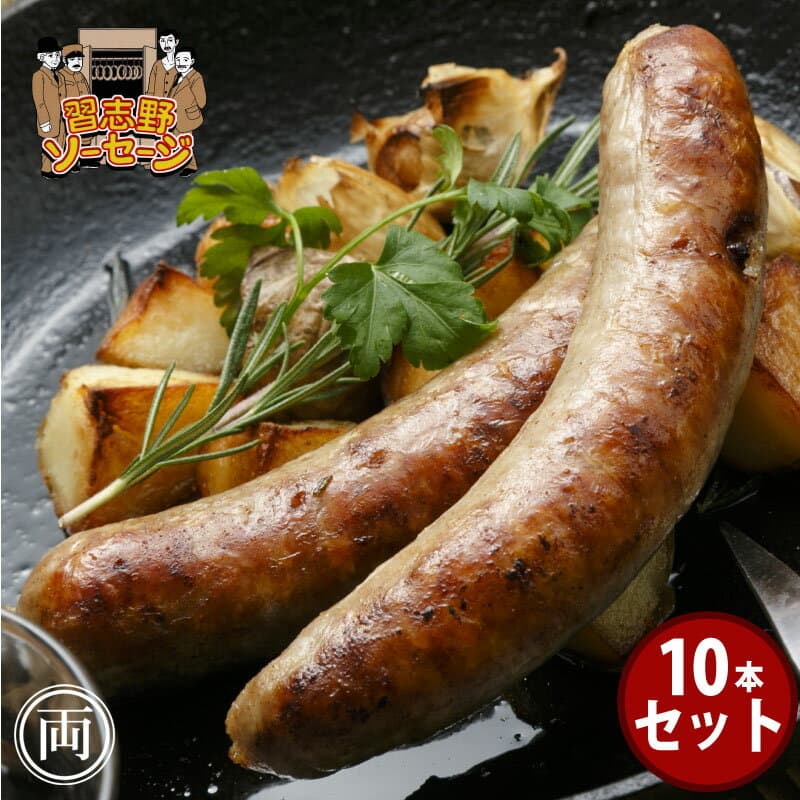
習志野 ソーセージ ノーマル 10本セット ドイツソーセージ伝承の味 フランクフルト 100年前に伝わった味 美味しく オシャレで旨味たっぷり 無着色 保存料不使用 冷凍品 ギフト 贈り物 無添加 お中元 お歳暮
normal, 10 sausages両総屋
5.0 / 4 reviews
Japanese name習志野ソーセージ
Narashino Sausage links a Chiba city district, a 1918 German-style sausage method, and a modern pork sausage built around pork, fat, casing, salt, and pepper.
Information last updated 120 days ago
3 images習志野 ソーセージ ノーマル 10本セット ドイツソーセージ伝承の味 フランクフルト 100年前に伝わった味 美味しく オシャレで旨味たっぷり 無着色 保存料不使用 冷凍品 ギフト 贈り物 無添加 お中元 お歳暮
normal, 10 sausages両総屋
5.0 / 4 reviews
 3 images
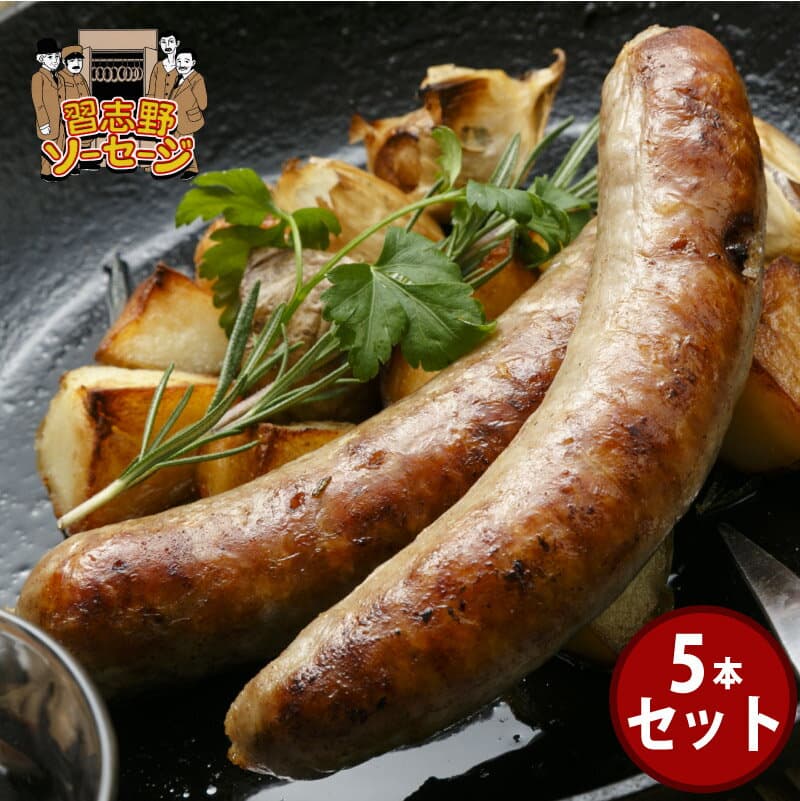
習志野 ソーセージ ノーマル 5本セット ドイツソーセージ伝承の味 フランクフルト 100年前に伝わった味 美味しく オシャレで旨味たっぷり 無着色 保存料不使用 冷凍品 ギフト 贈り物 無添加 お中元 お歳暮
Original, 5 sausages両総屋
5.0 / 4 reviews
First time buying on Rakuten? How residents in Japan order →
Narashino Sausage begins in a specific part of Chiba Prefecture: present-day Higashi-Narashino in Narashino City. From September 1915 to January 1920, the Narashino prisoner-of-war camp stood in what was then Mimomi, Makuhari-machi, Chiba-gun, and held about 1,000 German soldiers during World War I. The food now called Narashino Sausage carries that place, a 1918 handoff of sausage-making technique, and a simple frame of pork, pork fat, pork casing, salt, and pepper into a present-day local food.
Compiled from public records and official sources; see the recognition links below. Details may change over time.
Where this product is officially registered, designated, or recognized in Japan.
Regional collective trademark
Registered as a Regional Collective Trademark with the Japan Patent Office.
Sources1
It is written as 習志野ソーセージ in Japanese. Search Rakuten and other Japanese sites with that spelling — the English name will not bring up the listings.
Narashino sausage is a local food from Narashino, Chiba, linked to the Narashino prisoner-of-war camp that operated in present-day Higashi-Narashino from 1915 to 1920. In 1918, Yoshifusa Iida learned German-style sausage making there from Karl Jahn, and the method later spread across Japan through Ministry of Agriculture and Commerce training sessions. Today's version, developed by the Narashino Chamber of Commerce from that century-old recipe, is adjusted for easier modern eating and centers on pork, pork fat, pork casing, salt and pepper, with a slightly stronger saltiness.
The camp held about 1,000 German soldiers and stood in what was then Chiba-gun, Makuhari-machi, Mijomi, now part of Higashi-Narashino. Iida trained under Karl Jahn and four other German sausage makers during his time at the camp. The technique later spread to meat processors across Japan through the ministry's training sessions. The Narashino Chamber of Commerce presents the sausage as a regional food tied to local revitalization.
The sausage pairs well with beer. Seasoning relies mainly on salt and pepper, letting the pork flavor come through.
Storage varies by product — shelf-stable, refrigerated, or frozen — and is stated on the packaging and the Rakuten listing. Shelf-stable processed foods usually need refrigerating once opened and eating within a few days; chilled and frozen items go straight into storage on arrival. Treat the best-before date on the physical packaging as authoritative.
Most options are shelf-stable, boxed, and travel well, so they suit gifting or bringing home. Confirm the final storage and delivery terms on the Rakuten listing.
On Rakuten: the shops listed here right now are 両総屋. We don't sell directly; purchase, payment, stock, and delivery are all handled on the Rakuten product page.