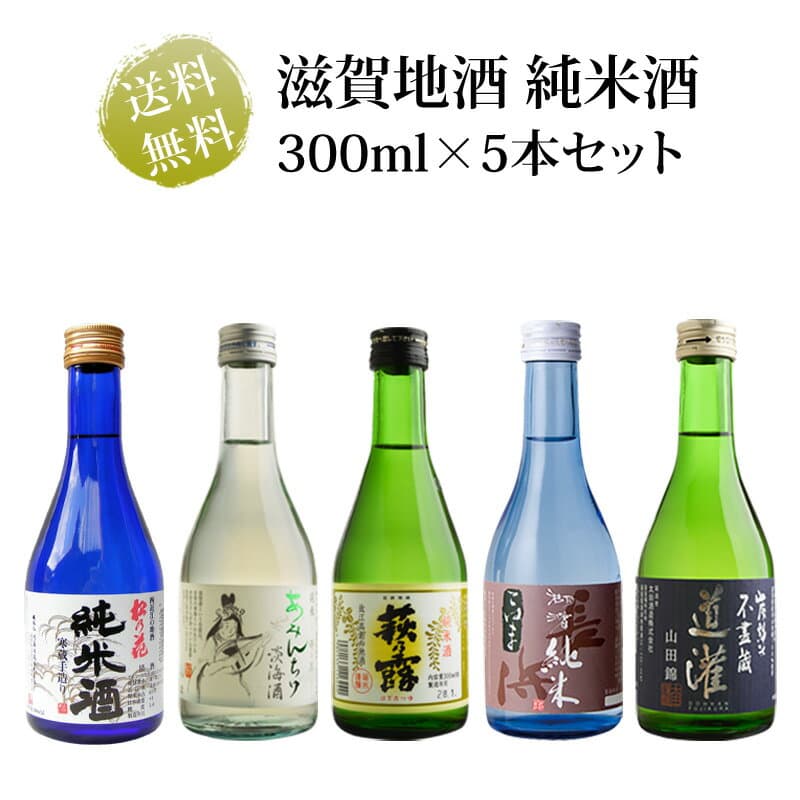
Shiga Five-Brewery Junmai Sake Tasting Set
滋賀地酒 純米酒 300ml瓶×5本セット 送料無料
300ml x 5 bottles近江うまいもん屋
4.6 / 5 reviews
¥4,460
View on Rakuten →Japanese · new tab
Japanese name滋賀
Shiga seishu is a sake product family associated with Shiga. The supplied official GI evidence names Shiga, while the terms identify the category as seishu; no specific climate, history, materials, or techniques are provided in the evidence, so the regional link should be presented simply as an official place association.
Information updated 10 days ago
滋賀地酒 純米酒 300ml瓶×5本セット 送料無料
300ml x 5 bottles近江うまいもん屋
4.6 / 5 reviews
¥4,460
View on Rakuten →Japanese · new tab
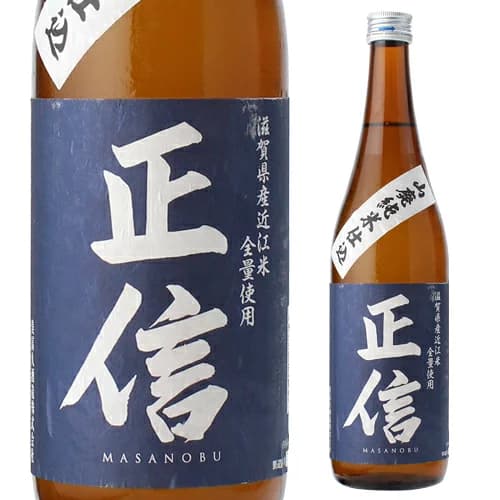
【6/4~10限定 全品P3倍】日本酒 正信 山廃純米仕込み 720ml滋賀県 美冨久酒造 清酒 4合 瓶 長S
720ml bottle日本のSAKE 和泉清 楽天市場店
¥1,518
View on Rakuten →Japanese · new tab
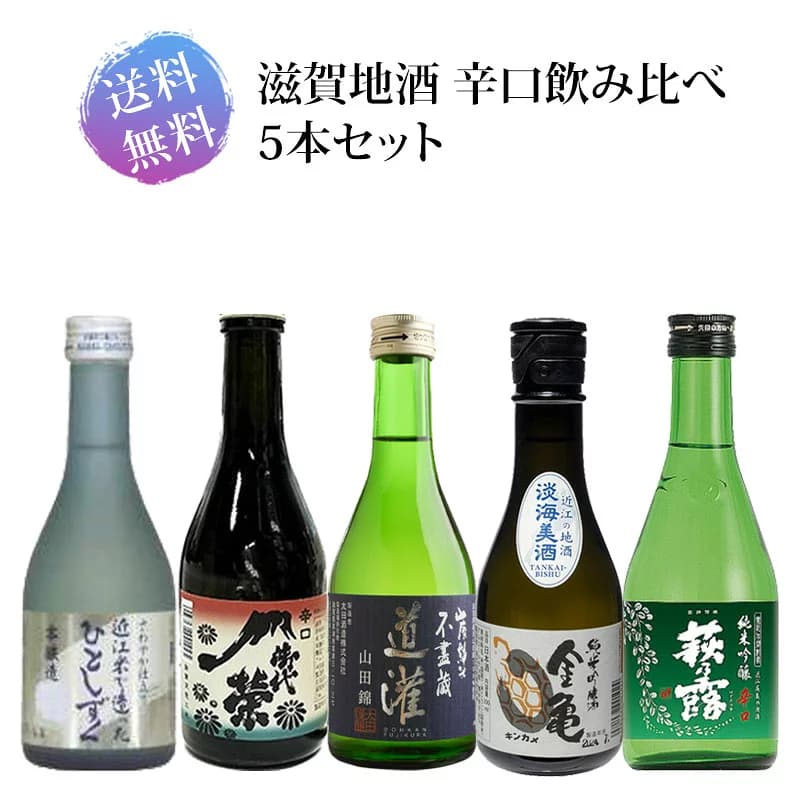
滋賀地酒 辛口飲み比べ 300ml瓶×5本セット 送料無料
300ml x 5 bottles近江うまいもん屋
5.0 / 1 reviews
¥4,500
View on Rakuten →Japanese · new tab
 3 images
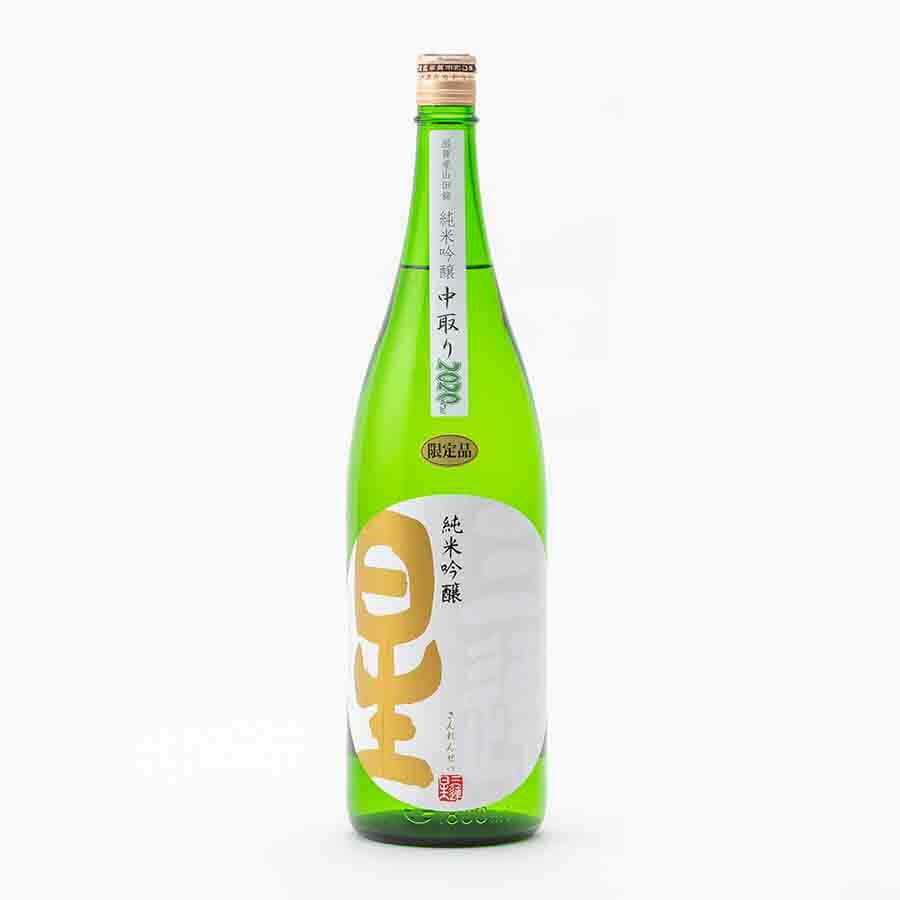
三連星 純米吟醸 山田錦55 中取り 生 数量限定 1.8L 1800ml 美冨久酒造 日本酒 地酒 滋賀県甲賀市水口 【夏期冷蔵便推奨】| ギフト お歳暮 プレゼント 人気 おしゃれ 退職祝い 父の日 母の日 樽
1.8L bottleTokuriya 酒舗まえたに楽天市場店
5.0 / 1 reviews
¥3,960
View on Rakuten →Japanese · new tab
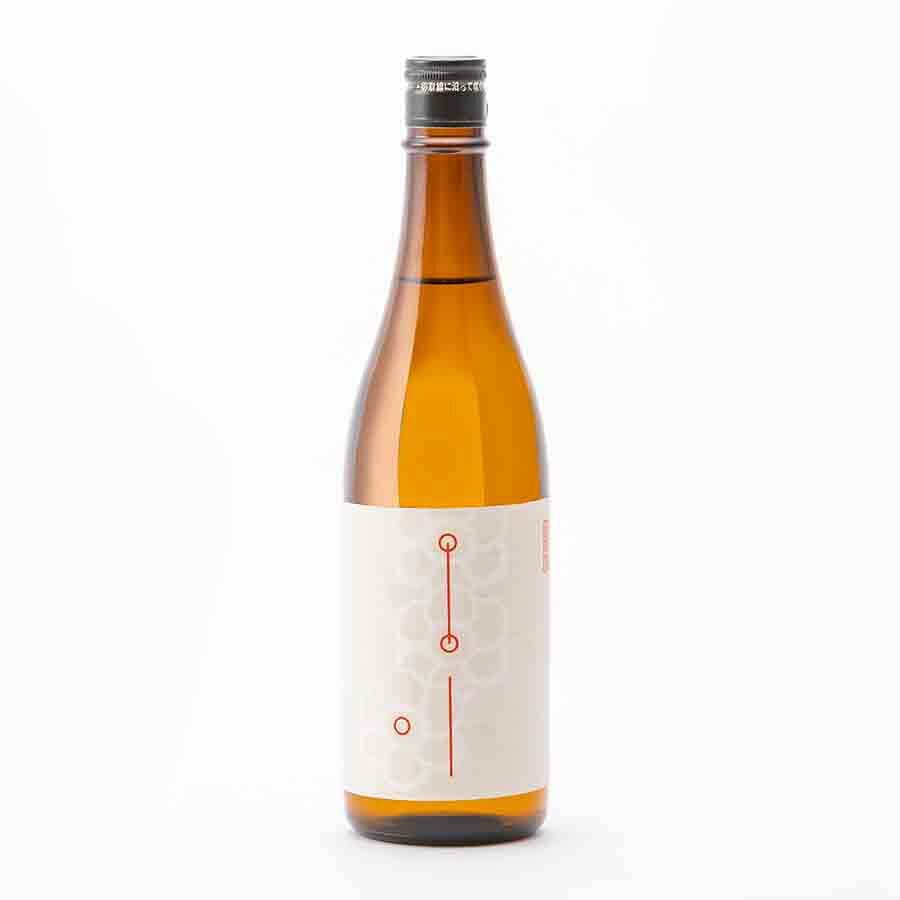 3 images
北島 エン きもと純米 酵母無添加 農薬不使用米 滋賀旭 火入熟成 720ml 北島酒造 日本酒 地酒 滋賀県湖南市| ギフト お歳暮 プレゼント 人気 オシャレ おしゃれ 誕生日 高級 男性 女性 最高級 退職祝い 父の日 母の日 樽
720ml sizeTokuriya 酒舗まえたに楽天市場店
5.0 / 1 reviews
¥2,200
View on Rakuten →Japanese · new tab
All 5 listings of this product on Rakuten, lowest price first.
| Listing | Price | Shop | Reviews | Open listing |
|---|---|---|---|---|
正信 Yamahai Junmai Sake 720ml bottleLowest price | ¥1,518 | 日本のSAKE 和泉清 楽天市場店 | View on Rakuten → | |
Kitajima En Kimoto Junmai Sake, No Added Yeast, Pesticide-Free Shiga Asahi Rice, Pasteurized Aged 720ml sizeGift-ready | ¥2,200 | Tokuriya 酒舗まえたに楽天市場店 | 5.0 / 1 reviews | View on Rakuten → |
Mifuku Shuzo Sanrensei Junmai Ginjo Yamada Nishiki 55 Nakadori Nama Sake 1.8L bottleGift-ready | ¥3,960 | Tokuriya 酒舗まえたに楽天市場店 | 5.0 / 1 reviews | View on Rakuten → |
Shiga Five-Brewery Junmai Sake Tasting Set 300ml x 5 bottlesMost reviewed | ¥4,460 | 近江うまいもん屋 | 4.6 / 5 reviews | View on Rakuten → |
Shiga Dry Local Sake Tasting Set 300ml x 5 bottlesSmall size to try | ¥4,500 | 近江うまいもん屋 | 5.0 / 1 reviews | View on Rakuten → |
Japanese · new tab
Shiga sake is often introduced as Omi no seishu, the sake of Omi. Its setting begins around Lake Biwa, where rice cultivation is tied to a prefecture ringed by the Ibuki, Suzuka, Hira, and Hiei mountain ranges. In that landscape, rice, water, and local climate become the first concrete way to understand the sake.
The place character of Shiga sake rests on rice cultivation around Lake Biwa and groundwater from surrounding mountains. Shiga is framed by the Ibuki and Suzuka ranges to the east and the Hira and Hiei ranges to the west; those mountains feed the groundwater, while the area around Lake Biwa has long been associated with rice growing.
The name Omi no seishu brings together sake makers in Shiga, lakeside rice fields, mountain water, and a climate described as favorable for brewing. Those concrete details make the sake easier to place than a broad phrase such as regional character ever could.
For sake carrying the GI Shiga name, the rice and koji rice must be grown in Shiga Prefecture, and the water must be drawn within Shiga. That boundary ties the name to materials: Shiga rice, Shiga water, and the koji rice used in brewing.
The condition should not be stretched into a claim about every bottle made in the prefecture. It works better as a clear material line for one named category, showing how place is expressed through rice, koji rice, and water rather than through a label alone.
The Shiga brewers' association lists 30 breweries with their brewery names and brands, forming a map-like view of sake production across the prefecture. A regional organization profile separately says the Shiga sake cooperative consisted of 31 sake companies in the prefecture as of July 1, 2024.
Those two counts sit in different contexts: 30 breweries in a public brewery list, and 31 companies in a 2024 cooperative profile. Read together, they show Shiga sake as a producer community with multiple kura and labels, rather than the image of one maker standing for the whole region.
The Shiga sake cooperative was established in 1969. Within its membership, one company traces its founding to 1532, and in 2024 the average business continuation across members was described as 192 years. These dates point to depth within the producer community without making every Shiga brewery the same age.
Present-day technical work is part of the same landscape. The Shiga Sake Brewing Technology Research Group was established in June 2001 to improve brewing technique among local sake makers and raise the quality of prefectural sake; a small test-brewing facility was added in fiscal 2017, followed in fiscal 2018 by equipment for measuring and evaluating trace aroma and umami components.
Shiga sake also appears in collective drinking occasions. The Shiga Sake Toast Project includes a simultaneous prefecture-wide toast with Shiga sake, and the Shiga local sake festival in Otsu places breweries, labels, drinkers, and the Lake Biwa city setting in one public scene.
An All Shiga 30-brewery collaborative junmai sake gives another view of the community: it gathers selected sake from 30 breweries and blends them into one shared project. The collaboration does not reduce Shiga sake to a single flavor; it places many breweries into one cup-shaped expression of place.
Shiga sake is best understood through Lake Biwa rice fields, the Ibuki, Suzuka, Hira, and Hiei mountain ranges, Shiga-grown rice and Shiga-drawn water for the GI category, the 30-brewery list, the 31-company cooperative profile, and the testing rooms used for trial brewing and aroma and umami evaluation. Its regional character is concrete: rice, water, kura, dates, tools, and shared toasts around Omi.
Compiled from public records and official sources; see the recognition links below. Details may change over time.
Where this selection is officially registered, designated, or recognized in Japan.
Geographical Indication (GI)
Registered under Japan's Geographical Indication Protection System, run by the Ministry of Agriculture, Forestry and Fisheries.
Sources1
It is written 滋賀 in Japanese. Search Rakuten and other Japanese sites with that spelling — the English name will not return the listings.
Sake is damaged by light and heat, so keep it dark and cool. Namazake and namazume must stay refrigerated throughout, and any bottle should be refrigerated and finished within a few days of opening. Serving temperature is a matter of style rather than rule — ginjo types show their aroma best chilled (around 10°C), while junmai types are fuller warmed to 40–50°C. We don't sell alcohol; purchase and age verification happen on the Rakuten listing.
Shiga sake is a sake & spirits from Shiga. We compile its regional connection and characteristics against official registries, local sources, and live Rakuten listings.
This is a temperature- or fragility-sensitive item — before travelling, confirm refrigerated/frozen delivery, packaging, and arrival dates on the Rakuten listing. For gifts, prefer shelf-stable, boxed options.
We don't sell directly. This page compiles Rakuten listings and affiliate links; purchase, payment, stock, and delivery all happen on the Rakuten listing.