 3 images
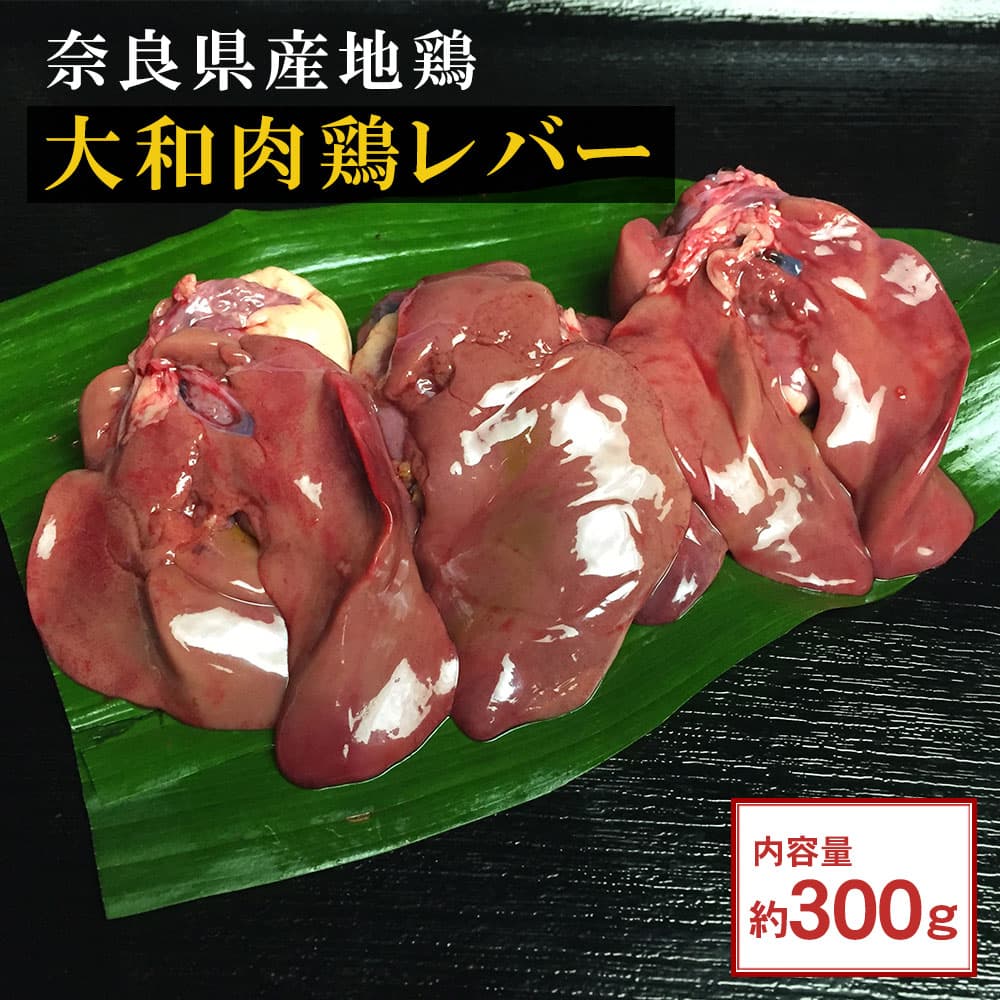
Yamato Nikudori Chicken Liver
【鶏肉】大和肉鶏レバー(肝)300g入り \ 冷凍じゃない、産地直送!新鮮な鶏肉をご自宅に / 【RCP】
300g pack地鶏広場 8010のとりやさん
4.6 / 41 reviews
Japanese name大和肉鶏
Bred from Nagoya, New Hampshire, and Shamo lines, Yamato Nikudori connects Nara’s livestock work with the remembered taste of Yamato kashiwa and a slower rearing rhythm.
Information last updated 120 days ago
3 images【鶏肉】大和肉鶏レバー(肝)300g入り \ 冷凍じゃない、産地直送!新鮮な鶏肉をご自宅に / 【RCP】
300g pack地鶏広場 8010のとりやさん
4.6 / 41 reviews
 3 images
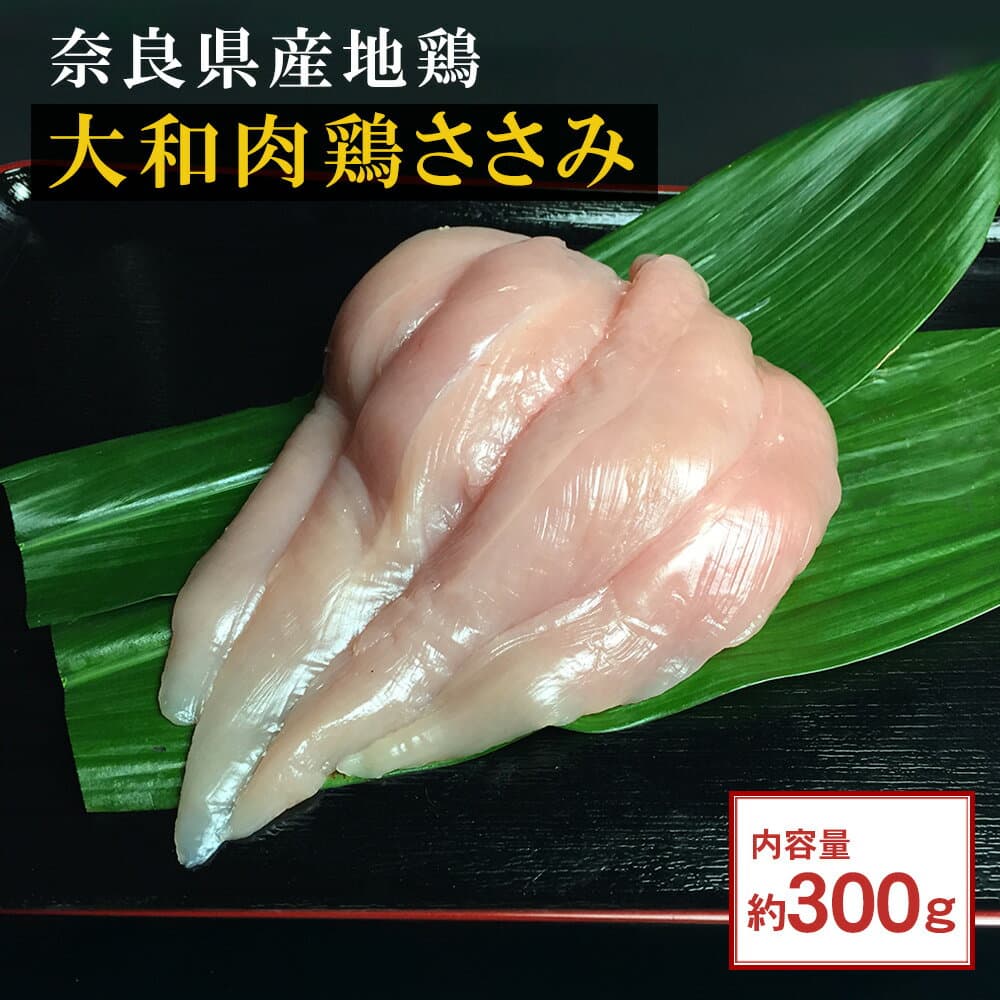
【鶏肉】大和肉鶏ささみ \ 冷凍じゃない、産地直送!新鮮な鶏肉をご自宅に / 【RCP】
300g地鶏広場 8010のとりやさん
4.3 / 20 reviews
 2 images
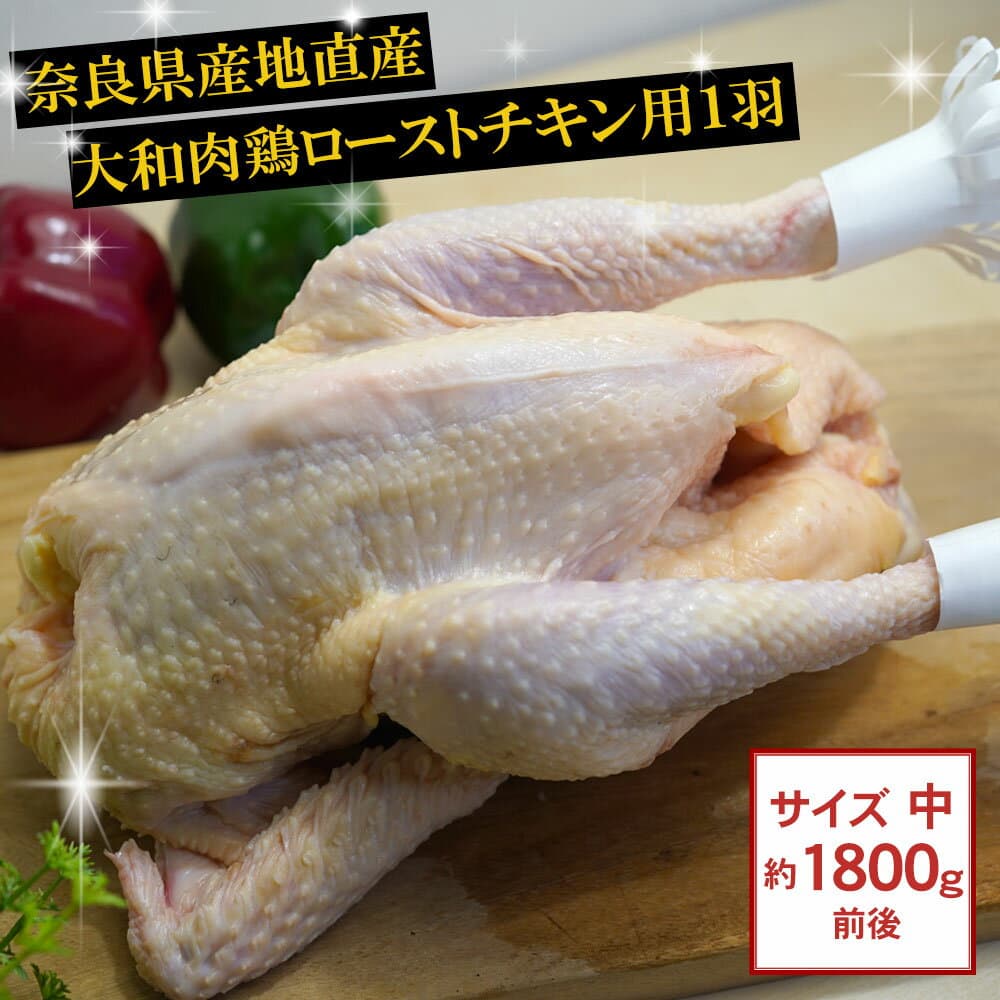
[産直奈良県]大和肉鶏ローストチキン用1羽(中) \ 冷凍じゃない、産地直送!新鮮な鶏肉をご自宅に / 【RCP】
Medium, 1 bird (about 1,800g)地鶏広場 8010のとりやさん
4.6 / 11 reviews
First time buying on Rakuten? How residents in Japan order →
In Nara, Yamato Nikudori begins with the remembered taste of Yamato kashiwa. Nara’s livestock testing station began development trials in Showa 49, and full production followed from Showa 57. The bird comes from a three-way cross of Nagoya, New Hampshire, and Shamo lines. Its local character sits in flat-floor houses, designated feed with Nara-grown rice, daily checks, and the 120-days-or-more rearing rhythm.
Yamato Nikudori was created by Nara Prefecture to recover the former reputation of Yamato kashiwa. The timeline is concrete: development trials began at the Nara Prefectural Livestock Experiment Station in Showa 49, and full production began in Showa 57. The eating traits are concrete as well: richness, umami, moderate firmness, and suitable fat. At the table, that means a chicken with bite, a rounded savory taste, and fat that supports the meat without becoming the whole impression.
Breeding starts with a Nagoya male and a New Hampshire female. Their F1 female line is then crossed with a Shamo male, producing Yamato Nikudori. That lineage matters because Shamo and Nagoya are native-line breeds within the jidori standard. The finished meat is associated with reddish color, elasticity, sweetness, rich juices, and firm texture, giving the cross a sensory result rather than only a pedigree.
Rearing areas include Nara City, Gojo City, Oyodo Town, Uda City, and Takatori Town. Processing is also kept inside the prefecture, with Nara City, Takatori Town, and Sakurai City named for that step. This place map keeps the bird tied to working sites rather than a loose regional image. When the product carries Nara’s name, the concrete ground behind it is a set of farms, poultry houses, and processing sites across the prefecture.
Inside the poultry house, the work centers on flat-floor rearing. Before chicks arrive, the chick house is cleaned and disinfected; in the early period, temperature and humidity are watched closely, and daily checks cover the birds, the floor, and the house temperature. The feed adds another Nara detail: designated compound feed is used, Nara-grown rice is given, and one formula includes 10% feed rice within a grain-heavy mix. The practice links local rice, poultry-house management, and the aim of improving chicken meat quality.
Yamato Nikudori is shipped at 120 days or older, and the average shipment age is about 140 days. In the producer comparison, ordinary broilers are shipped at about 55 to 60 days, so the Nara bird carries a slower rhythm from the house to the plate. The texture follows that rhythm: the meat is firm, springy, and suitably chewy. It is also associated with reddish meat, refined fat, clear soup, and the ability to hold its shape after long simmering, which matters in nabe, simmered dishes, and clear broths.
The named cuts give the bird a practical shape on the table. Breast meat appears in karaage and chawanmushi; sasami is used for fries and salads; thigh meat, redder and deeper in taste, is linked with teriyaki and oyakodon. Wings are used for frying and simmering. Across those dishes, Yamato Nikudori moves between soft steamed custard, sauce-soaked rice bowls, and simmered pieces that keep their form, so the breed’s identity is felt through cut, texture, and cooking method.
Yamato Nikudori is easiest to understand by following concrete steps: the memory of Yamato kashiwa, trials at Nara’s livestock station, a Nagoya-New Hampshire-Shamo cross, poultry houses with flat floors and Nara rice in feed, and a 120-days-or-more rearing period. By the time it reaches chawanmushi, teriyaki, oyakodon, or simmered dishes, the bird carries Nara through texture, place, and daily husbandry.
Compiled from public records and official sources; see the recognition links below. Details may change over time.
Where this product is officially registered, designated, or recognized in Japan.
Regional collective trademark
Registered as a Regional Collective Trademark with the Japan Patent Office.
Sources1
It is written as 大和肉鶏 in Japanese. Search Rakuten and other Japanese sites with that spelling — the English name will not bring up the listings.
Yamato Nikudori is a Nara jidori chicken created to recover the remembered reputation of Yamato kashiwa. It comes from a three-way cross of Nagoya, New Hampshire, and Shamo lines, with full production beginning in Showa 57. Rearing includes flat-floor housing, designated feed, and shipment at 120 days or older. The meat is reddish, firm, springy, rich in umami, and holds its shape after simmering.
Yamato Nikudori is characterized by richness, umami, moderate firmness, and suitable fat. Nara's livestock testing station began Yamato Nikudori development trials in Showa 49. Yamato Nikudori is produced by crossing a Nagoya male with a New Hampshire female to form an F1 female line, then crossing that line with a Shamo male. Yamato Nikudori rearing areas include Nara City, Gojo City, Oyodo Town, Uda City, and Takatori Town.
Breast meat is used for karaage and chawanmushi. Thigh meat is used for teriyaki and oyakodon. Sasami is used for fries and salads.
Storage varies by product — shelf-stable, refrigerated, or frozen — and is stated on the packaging and the Rakuten listing. Shelf-stable processed foods usually need refrigerating once opened and eating within a few days; chilled and frozen items go straight into storage on arrival. Treat the best-before date on the physical packaging as authoritative.
Most options are shelf-stable, boxed, and travel well, so they suit gifting or bringing home. Confirm the final storage and delivery terms on the Rakuten listing.
On Rakuten: the shops listed here right now are 地鶏広場 8010のとりやさん. We don't sell directly; purchase, payment, stock, and delivery are all handled on the Rakuten product page.