 3 images
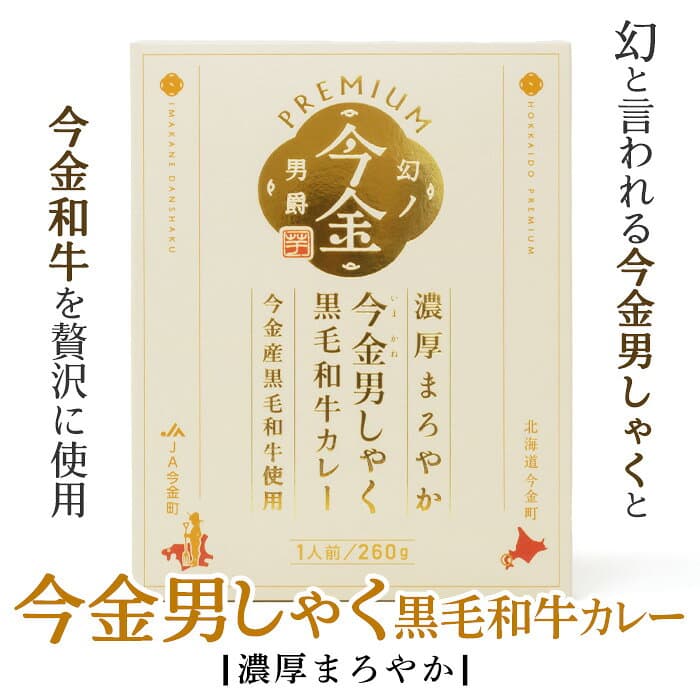
Imakane Danshaku Kuroge Wagyu Curry
今金男しゃく黒毛和牛カレー 濃厚まろやかタイプ 260g 北海道 お土産 おみやげ レトルト カレー ブランド男爵いも じゃがいも 農産物
rich and mellow type, 260gお土産通販北海道ギフトバザール
Japanese name今金男しゃく
On Hokkaido’s northern Oshima Peninsula, volcanic ash soil, cool inland temperature swings, and a 13.5% Lyman-value line shape Imakane Danshaku’s fluffy texture.
Information last updated 127 days ago
3 images今金男しゃく黒毛和牛カレー 濃厚まろやかタイプ 260g 北海道 お土産 おみやげ レトルト カレー ブランド男爵いも じゃがいも 農産物
rich and mellow type, 260gお土産通販北海道ギフトバザール
First time buying on Rakuten? How residents in Japan order →
Imakane Danshaku grows in Imakane and Setana, two towns in southern Hokkaido on the northern Oshima Peninsula. The fields combine fertile, well-drained volcanic ash soil with an inland climate that brings a clear gap between day and night temperatures. This Danshaku potato is known here for a clean white appearance, a Lyman value of at least 13.5%, a fluffy texture, and a mouthfeel that melts naturally; seed work, field patrols, wind-dry storage, and sorting all help hold the name’s boundary in place.
The production area for Imakane Danshaku is Setana-gun Imakane town and Kudo-gun Setana town in Hokkaido. These fields sit on the northern Oshima Peninsula, where cool inland weather creates large day-night temperature swings and fertile volcanic ash soil drains well. Farmland around the Shiribeshi-Toshibetsu River area also belongs to the potato’s setting, giving the white Danshaku a place shaped by river fields, cool nights, and soil suited to potato growing.
Imakane Danshaku is centered on the Danshaku variety, with a clean white appearance and a Lyman value, or starch-content measure, of at least 13.5%. That starch line connects directly to the potato’s fluffy texture and naturally melting mouthfeel. In the kitchen, those traits point toward simple preparations where texture matters, including steaming, boiling, mashing, and potato-salad development around the product.
Potato cultivation in Imakane began in 1891. In 1953, the area unified potato planting around Danshaku; in 1955, shipments began under the Imakane Danshaku name. Later quality steps sharpened the boundary: seed-potato and table-potato producers were distinguished from 1967, hollow inspection began in 1989, and the Lyman-value shipment standard was set in 1994. Continuity here is built from concrete choices about variety, seed roles, inspection, and readiness.
The crop begins with disease-free seed potatoes grown by specialized seed-potato producers, while table-potato producers carry the work into the fields. Before spring planting, snow-melt preparation starts the season; in April, pre-sprouting in vinyl houses helps early growth emerge more evenly. Seed cutting, planting, hilling, and rotary cultivation follow, linking plant growth with soil moisture and ground temperature management.
From June into July, JA and producer groups join field inspections around the budding and flowering period. Growers remove diseased or weak plants by hand, leaving the remaining potato plants to mature under the shared standard. The work narrows quality one plant at a time, before the later Lyman-value check and sorting line give the name its final boundary.
Before harvest, samples are measured for Lyman value, and fields move to harvest only after reaching the 13.5% standard. After digging, the potatoes spend about a week in wind-dry storage to reduce rot and skin peeling. Shipment brings hollow inspection and sorting by appearance and damage; potatoes lowered in quality by peeling or wounds do not carry the Imakane Danshaku name. The boundary of the name passes through maturity in the field, dry storage, and the sorting line.
JA Imakane and producers align cultivation and shipment standards through monthly quality meetings, annual study sessions, and producer-group inspection. The local food culture around Imakane Danshaku is visible in practical acts: renewing seed stock, walking fields, pulling diseased plants, waiting for the Lyman value, and sorting by appearance and wounds. Its fluffy texture suits steamed, boiled, and mashed preparations, as well as potato-salad development; processed-product work also includes potato chips from 2015.
Imakane Danshaku remains grounded in the fields of Imakane and Setana: snow-melt work and pre-sprouting in spring, field patrols and hand removal in early summer, the 13.5% Lyman-value line before harvest, then wind-dry storage, hollow inspection, and sorting before shipment. The potato’s white appearance and fluffy, naturally melting texture come from these linked steps, carrying southern Hokkaido’s volcanic ash soil and cool nights into a simple Danshaku bite.
Compiled from public records and official sources; see the recognition links below. Details may change over time.
Where this product is officially registered, designated, or recognized in Japan.
It is written as 今金男しゃく in Japanese. Search Rakuten and other Japanese sites with that spelling — the English name will not bring up the listings.
Imakane Danshaku is a Danshaku potato grown in Imakane and Setana in southern Hokkaido, on the northern Oshima Peninsula. It is defined by a white appearance, a Lyman value of at least 13.5%, fluffy texture, and a naturally melting mouthfeel, with quality maintained through disease-free seed potatoes, field inspection, hand removal of weak plants, harvest sampling, wind-dry storage, hollow checks, and strict sorting.
The production area on the northern Oshima Peninsula has large day-night temperature swings and fertile, well-drained volcanic ash soil. Potato cultivation in Imakane began in 1891; the area unified planting around Danshaku in 1953 and began shipping under the Imakane Danshaku name in 1955. Seed-potato producers and table-potato producers have separate roles in the production area. JA Imakane and producers share cultivation and quality standards through monthly quality meetings and annual study sessions.
Imakane Danshaku potatoes are suited to simple cooking such as steaming, boiling, or mashing, which highlights their fluffy texture. JA Imakane has worked with chefs and a potato-salad specialist on developing Imakane Danshaku potato salad. Imakane Danshaku potato chips have been sold as a processed snack product since 2015.
Storage varies by product — shelf-stable, refrigerated, or frozen — and is stated on the packaging and the Rakuten listing. Shelf-stable processed foods usually need refrigerating once opened and eating within a few days; chilled and frozen items go straight into storage on arrival. Treat the best-before date on the physical packaging as authoritative.
Most options are shelf-stable, boxed, and travel well, so they suit gifting or bringing home. Confirm the final storage and delivery terms on the Rakuten listing.
On Rakuten: the shops listed here right now are お土産通販北海道ギフトバザール. We don't sell directly; purchase, payment, stock, and delivery are all handled on the Rakuten product page.