 3 images
Tendo Shogi Koma Hand-Carved Maple Shogi Pieces
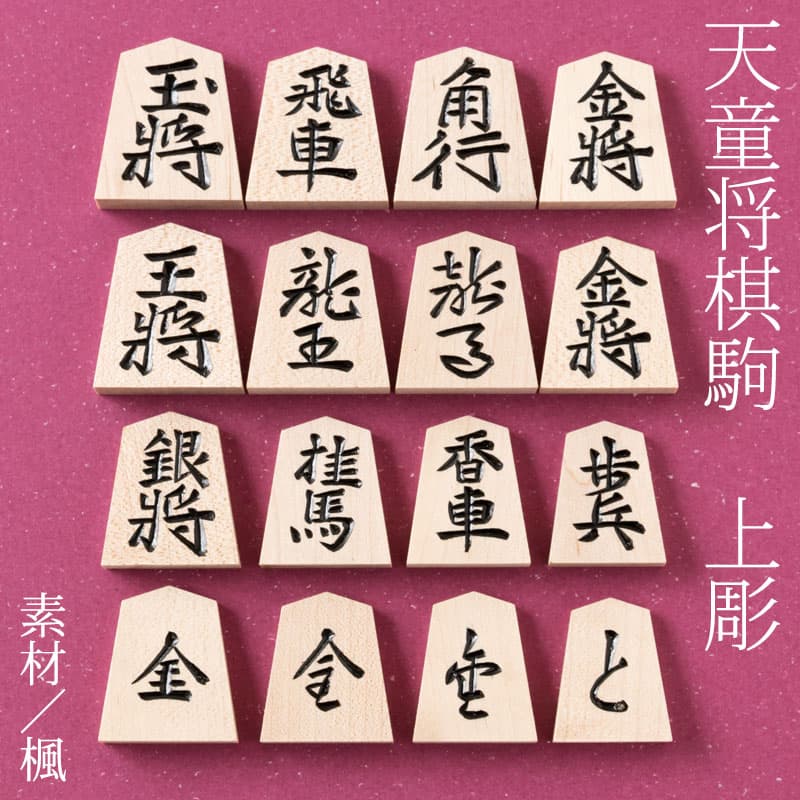
天童将棋駒 楓上彫 彫駒 天童の職人による手彫り将棋駒 山形県の工芸品 木工品
maple jōbori carved piecesこだわりの和雑貨 和敬静寂
3.0 / 2 reviews
Japanese name天童将棋駒
In Tendo City, Yamagata, shogi appears at the station, on sidewalks and post boxes, in workshops, festivals, and spring human-shogi play. The small wooden pieces carry carved grooves, lacquer strokes, and the work of a city shaped around the board.
Information last updated 120 days ago
3 images天童将棋駒 楓上彫 彫駒 天童の職人による手彫り将棋駒 山形県の工芸品 木工品
maple jōbori carved piecesこだわりの和雑貨 和敬静寂
3.0 / 2 reviews
 3 images
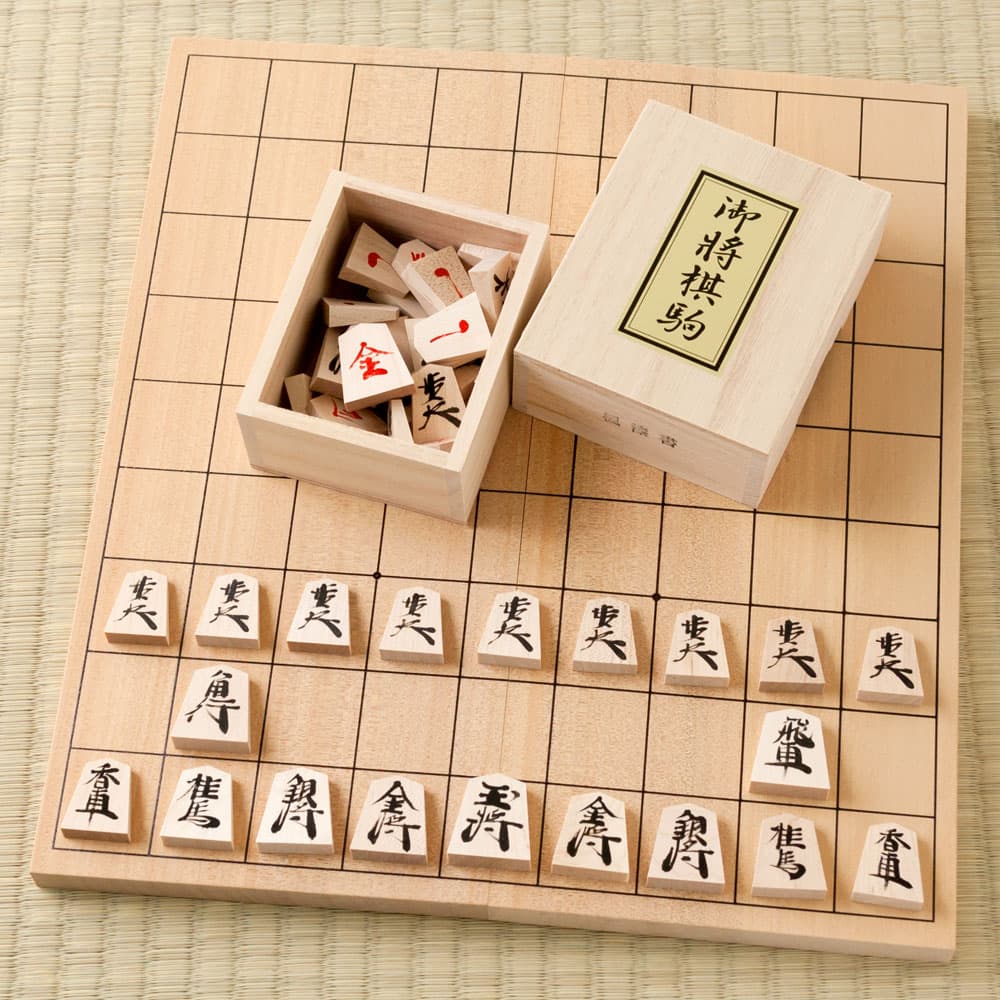
天童将棋駒 将棋盤セット 職人による手書き将棋駒と折盤のセット 山形県の工芸品 木工品
folding board setこだわりの和雑貨 和敬静寂
5.0 / 1 reviews
First time buying on Rakuten? How residents in Japan order →
Tendo shogi pieces begin in Tendo City, at the center of the Yamagata Basin. Around JR Tendo Station, shogi appears before a visitor reaches a board: a shogi museum near the station, tsume-shogi on sidewalks and utility poles, post boxes, bridge railings, manholes, shop signs, and a shogi memorial tower on Maizuruyama all place board-game forms into the street. The making of these pieces entered Tendo in the Edo period, then became tied in the late Edo period to the Oda domain, Yoshida Daihachi, and the livelihood of domain retainers. A single piece may be stamped, written in lacquer, carved with an engraving knife, filled with lacquer until the grooves sit flush with the wood, or raised with lacquer applied by a maki-e brush. Woods such as hon-tsuge, Siamese boxwood, mayumi, hakuunboku, and maples give the letters different grain, weight, and touch.
Tendo City sits in the central Yamagata Basin, and its shogi-piece industry is described as roughly nine-tenths or more of Japan’s national total. That scale is visible in the townscape: the JR Tendo Station area has a shogi museum, sidewalks and utility poles carry tsume-shogi, Maizuruyama has a shogi memorial tower, and roadside objects, bridge railings, post boxes, and manholes carry shogi-piece motifs.
The motifs stay close to play. KOMAP walking routes, shop names, and signs place kings, piece shapes, and board language at walking speed, while spring human shogi moves the pieces and players outdoors. Tendo shogi pieces are wooden and lacquered craft objects, and they are also everyday shapes repeated across the city.
Shogi-piece making entered local life in Tendo during the Edo period. Before the Oda domain moved to Tendo, production had already been carried out in Takahata and was later brought to Tendo; the craft’s local path therefore runs through place names, domain movement, and handwork.
In the late Edo period, Yoshida Daihachi, an official of the Tendo Oda domain, encouraged retainers facing hardship to make shogi pieces. That background ties the object beside the board to a concrete line of work: retainers carving, writing, and finishing wooden pieces for income. Later successor training, workshop communities, and festival demonstrations continue the same practical skills of engraving knives, lacquer, and handwritten characters.
Oshigoma are pieces stamped directly onto the wooden body and are associated with beginning play. Kakigoma are written directly on the wood in lacquer; both kaisho and sosho scripts are used, and Tendo’s long-running form is the sosho-style written piece, including types such as Genpei pieces and Sakiwake pieces.
Horigoma are carved with an engraving knife, with machine-carved and hand-carved forms and varieties such as kurobori, namibori, chubori, and jobori. Hori-umegoma are carved pieces whose grooves are filled with lacquer in stages until the letter sits level with the wood, giving a smooth feel in the hand. Moriagegoma add raised lacquer letters with a maki-e brush and appear in professional title-match settings.
The wood changes the color, grain, and feel of a piece. Hon-tsuge from Mikurajima in Tokyo or Satsuma in Kagoshima is used for high-grade pieces; Siamese boxwood from Thailand and Cambodia is used for mid-grade pieces; mayumi, hakuunboku, urihadakaede, and itaya maple connect popular to mid-grade pieces with woods from Tohoku and other areas.
Grain gives each small object a different face. Straight grain, figured grain, and flecked patterns sit around characters such as king, rook, bishop, and pawn. When lacquer fills a carved groove or rises from the surface under a maki-e brush, the gap between the wood and the black character becomes a detail the fingers can read.
The Yamagata Shogi Piece Cooperative brings together workshops, shops, and individual piece makers. Its community includes Horikoshi in Koji, Nakajima Seikichi Shoten in Tazurumachi, Hishinuma Osho Seisakusho in Kitame, Takeuchi Oshodo in Mikkamachi, and Eishundo in Kamatahoncho, along with makers listed as raised-lacquer specialists, carving specialists, and writing specialists in Tendo, Higashine, Yamagata, Nakayama, and Kahoku.
Successor training keeps those roles from remaining only on a roster. At Mori-na Tendo, people who have completed training demonstrate making techniques, and the Tendo Shogi Piece Festival includes skilled demonstrations and hands-on written-piece programs. Wood bodies, lacquer, engraving knives, and brushes are still shown in public settings.
The shogi museum beside JR Tendo Station opened in 1992 and covers shogi’s roots, the history of the game, why Tendo became a shogi-piece town, human shogi, and title matches. The museum places one small piece between play, city life, and workshop practice, making the station area an entry point into wood and lacquer lettering.
Play and display carry the pieces beyond the board’s edge. Spring human shogi stages live pieces outdoors, and the Tendo Shogi Exchange Room and local events keep games in everyday circulation. Decorative hidari-uma pieces and the newer MAIZURU decorative piece put the piece shape, lacquer letters, and design into settings of celebration, display, and city identity.
The details of Tendo shogi pieces are small: one lacquer stroke, one carved groove, one grain line in hon-tsuge or maple. In Tendo, those details travel a long route, from Takahata and the Oda domain, to Yoshida Daihachi’s encouragement of retainer work, to JR Tendo Station, Maizuruyama, local workshops, demonstrations at Mori-na Tendo, and spring human shogi. When a piece lands on the board, it carries wood, hands, streets, and the sound of play.
Compiled from public records and official sources; see the recognition links below. Details may change over time.
Where this product is officially registered, designated, or recognized in Japan.
Traditional craft
Designated a Traditional Craft (dentō kōgeihin) by Japan's Ministry of Economy, Trade and Industry.
Sources1
It is written as 天童将棋駒 in Japanese. Search Rakuten and other Japanese sites with that spelling — the English name will not bring up the listings.
Tendo shogi pieces are a craft associated with Tendo City in Yamagata Prefecture, at the center of the Yamagata Basin. The craft entered Tendo in the Edo period, and in the late Edo period Yoshida Daihachi encouraged Tendo Oda-domain retainers to make pieces as a livelihood measure. Techniques include oshigoma (stamped), kakigoma (lacquer-written), horigoma (carved), hori-umegoma (lacquer-filled), and moriagegoma (raised-lacquer), using woods such as hon-tsuge, Siamese boxwood, mayumi, hakuunboku, and maples.
Tendo's shogi-piece industry is described as roughly nine-tenths or more of Japan's national total. Tendo shogi pieces were designated a Japanese traditional craft on April 8, 1996. Before the Oda domain moved to Tendo, production was already carried out in Takahata and later brought to Tendo. The Tendo City Shogi Museum opened in 1992 and covers shogi roots, game history, Tendo's development as a shogi-piece town, human shogi, and title matches.
Stamped pieces are described as relatively affordable and recommended for people starting shogi, while raised-lacquer pieces are high-grade pieces used in professional title matches. Decorative pieces, including the auspicious hidari-uma, are described as gifts for people building a home or starting a business, and a newer MAIZURU decorative piece was developed with Tendo craft technique and design input. Festival programs include craft demonstrations by traditional craft specialists and paid written-piece workshops, and successor-training graduates give demonstrations at Roadside Station Tendo Onsen's Mori-na Tendo facility.
Keep craft pieces out of direct sunlight, damp, and sharp temperature swings, and store them where they won't knock against anything. Wood, bamboo, lacquer, and paper don't tolerate water — wipe any moisture off immediately. Specific care notes are on the listing.
Most options are shelf-stable, boxed, and travel well, so they suit gifting or bringing home. Confirm the final storage and delivery terms on the Rakuten listing.
On Rakuten: the shops listed here right now are こだわりの和雑貨 和敬静寂. We don't sell directly; purchase, payment, stock, and delivery are all handled on the Rakuten product page.