 3 images
Pokka Sapporo Ribbon Hokkaido Yubari Melon Syrup
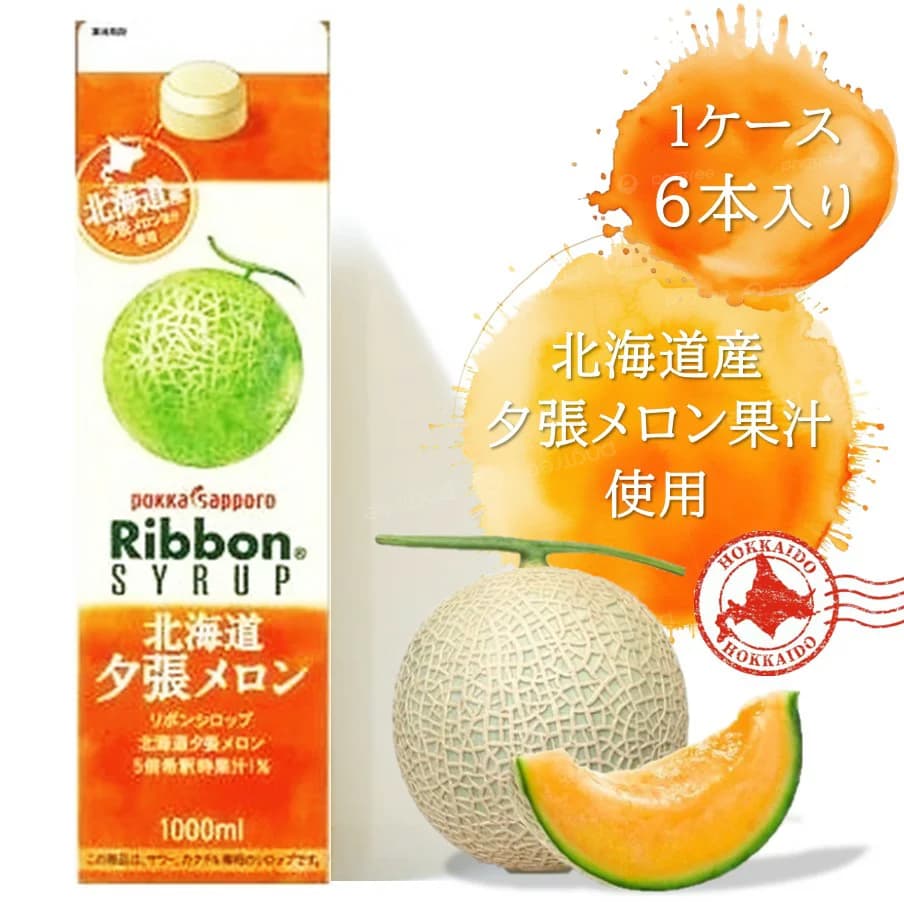
【北海道】ポッカサッポロ 業務用 北海道 夕張メロン シロップ 1L×6本【1ケース】【お酒ではありません】
1L x 6 bottlesワタショウプレミアムショップ
Japanese name夕張メロン
In the mountain city of Yubari, Hokkaido, warm, well-drained volcanic-ash fields, wide day-night temperature shifts, and shared grower standards shape a melon known for salmon-pink flesh and deep aroma.
Information last updated 7 days ago
3 images【北海道】ポッカサッポロ 業務用 北海道 夕張メロン シロップ 1L×6本【1ケース】【お酒ではありません】
1L x 6 bottlesワタショウプレミアムショップ
First time buying on Rakuten? How residents in Japan order →
Yubari Melon begins with a precise place: the mountain city of Yubari in Hokkaido. Farmland is limited there, so growers turned well-drained volcanic-ash fields that warm easily into ground for specialty crops; around Numanozawa, elevation of about 175 meters and large day-night temperature shifts are linked by the city to sweetness. When ripe, the fruit moves from gray-green toward yellow, opens to salmon-pink or orange flesh, and carries a strong aroma with juicy, soft texture.
Yubari is a mountain city with little farmland. Around 1955, local agriculture began focusing on specialty vegetables suited to the area, and melon returned beside crops such as Chinese yam and asparagus after prewar cultivation had faded.
The fields are described through concrete conditions: volcanic-ash soil with good drainage, ground that warms readily, higher elevation around Numanozawa, and a marked gap between daytime and nighttime temperatures. The sweetness associated with Yubari Melon is tied to those slopes, soils, and summer temperature swings rather than to a vague regional image.
The cultivar name is Yubari King. It was named in 1961 from a fixed cross using Spicy Cantaloupe as the father line and Earl’s Favourite as the mother line, making it an F1 melon rather than a fruit reproduced unchanged from saved seed.
At ripeness, the skin shifts from green or gray-green toward yellow. Inside, the flesh is salmon-pink to orange, strongly aromatic, juicy, and relatively soft, so the cultivar’s identity is visible in color, scent, and texture as soon as the melon is cut.
In 1960, 17 farmers with a strong interest in melon cultivation formed the melon association. Their work was practical: developing the F1 line, setting cultivation standards, creating shipping standards, and adopting methods such as bee pollination in the growing process.
By Reiwa 6, Yubari City describes about 90 farms as members of the Yubari Melon association. The shared standards connect greenhouse work, pruning, fruit setting, and shipment decisions to one local producer community.
The growing year begins with sowing in January, while snow still remains. Growers then raise seedlings, plant them, prune vines, set fruit, use bee pollination, and harvest after about three and a half months of growth.
First shipments begin in May, harvest continues until September, and the main season runs from late June to early August. That calendar links winter work in Hokkaido to the bright red-fleshed fruit that reaches tables in summer.
Yubari City describes four JA Yubari City grades: toku-shu, shu, yu, and ryo. The grades give growers a shared language for appearance and shipment quality, so a melon leaving the sorting site carries more than sweetness; it carries a defined local standard.
The name Yubari Melon is also place-bound: the supplied non-commercial context states that melons from neighboring municipalities cannot use the name. For readers, that boundary turns an administrative fact into a concrete connection among city, cultivar, grading, and grower community.
After harvest, a Yubari Melon can rest at room temperature for about two to three days. Yellowing skin, a stronger aroma, and slight softness at the base are the practical signs that ripeness is arriving.
Chilling the fruit before eating brings the juicy salmon-pink flesh and sweet aroma into sharper focus. The final moment in the kitchen still carries the earlier work: January sowing, bee pollination, summer harvest, and careful sorting in Yubari.
Yubari Melon does not need a grand label to explain its appeal. The mountain fields of Yubari City, volcanic-ash soil, elevation around Numanozawa, the 1961 naming of Yubari King, the 1960 grower association, and the May-to-September harvest calendar already give the fruit its shape. When the skin turns yellow and the salmon-pink flesh releases its aroma, the place becomes concrete in a summer slice.
Compiled from public records and official sources; see the recognition links below. Details may change over time.
Where this product is officially registered, designated, or recognized in Japan.
Geographical Indication (GI)
Registered under Japan's Geographical Indication Protection System, run by the Ministry of Agriculture, Forestry and Fisheries.
Sources1
It is written as 夕張メロン in Japanese. Search Rakuten and other Japanese sites with that spelling — the English name will not bring up the listings.
Yubari melon is a red-fleshed melon tied to Yubari City, Hokkaido. Its cultivar, Yubari King, was named in 1961 from Spicy Cantaloupe and Earl's Favourite. Yubari's limited mountain farmland, volcanic-ash soil, and day-night temperature shifts around Numanozawa are linked to sweetness. Sowing starts in January, first shipments in May, and peak season from late June to early August; ripe fruit turns yellow with a strong aroma and juicy salmon-pink flesh.
In 1960, 17 farmers formed a melon association that worked on F1 breeding, cultivation standards, shipping standards, and bee pollination. By Reiwa 6, Yubari City describes about 90 farms as members of the Yubari Melon association. The growing calendar includes seedling care, planting, pruning, fruit setting, and bee pollination, with harvest about three and a half months later. Harvest continues until September.
Newly harvested melons are left at room temperature for about two to three days, then chilled to eat once the skin yellows, the aroma strengthens, and the base is slightly soft. It is eaten as seasonal fresh fruit from early summer through summer. It is used as gift or presentation fruit, where grading matters.
Fresh produce doesn't keep, so start with the grower's note in the box. Most fruit ripens best at room temperature and is at its most fragrant when it is ready to eat; refrigerate only once it is cut or fully ripe, and eat it soon after. Chilling too early stalls ripening and flattens the flavour. Follow the listing and the enclosed note for the specific variety.
Most options are shelf-stable, boxed, and travel well, so they suit gifting or bringing home. Confirm the final storage and delivery terms on the Rakuten listing.
On Rakuten: the shops listed here right now are ワタショウプレミアムショップ. We don't sell directly; purchase, payment, stock, and delivery are all handled on the Rakuten product page.