 3 images
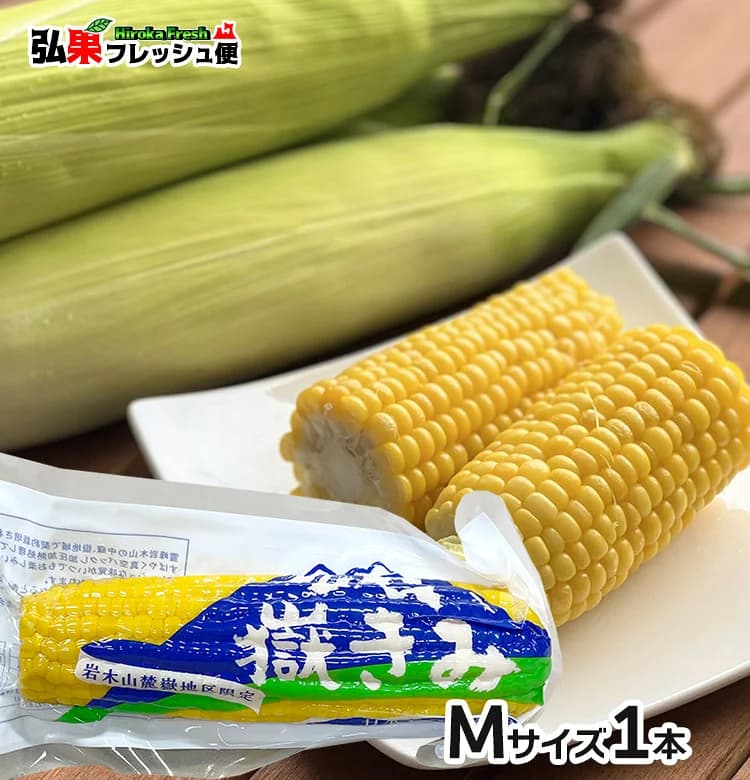
嶽きみ Vacuum-Packed Corn
嶽きみ 真空パック Mサイズ1本 とうもろこし 青森県 トウモロコシ パック そのまま 食べたい時にすぐに食べれる便利な真空パック 弘果
M size, 1 ear (about 280-329g)弘果フレッシュ便
4.0 / 2 reviews
Japanese name嶽きみ
Grown in Aomori Prefecture’s Dake district, Dakekimi carries the imprint of day-night temperature shifts, volcanic ash soil, cooling after harvest, and kernels that pop in the mouth.
Information last updated 7 days ago
3 images嶽きみ 真空パック Mサイズ1本 とうもろこし 青森県 トウモロコシ パック そのまま 食べたい時にすぐに食べれる便利な真空パック 弘果
M size, 1 ear (about 280-329g)弘果フレッシュ便
4.0 / 2 reviews
 3 images
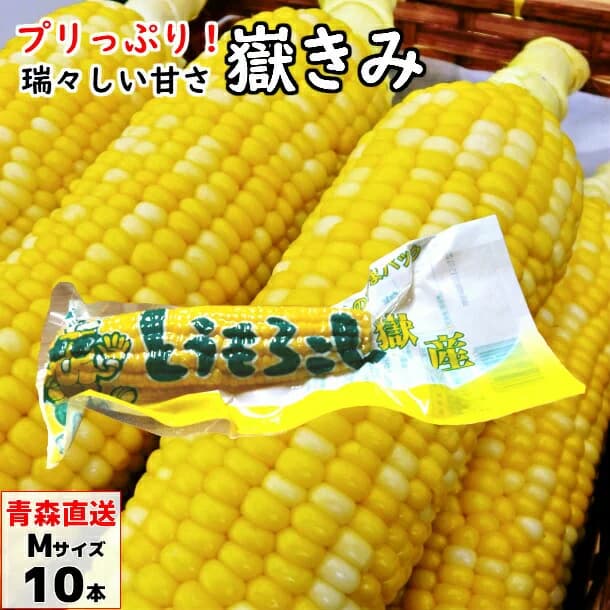
嶽きみ(真空パック) Mサイズ 10本/20本/30本 青森県産 だけきみ ダケキミ とうもろこし トウモロコシ もろこし きび 岩木屋 送料無料 残暑御見舞 ギフト
M size, 10/20/30 ears青森りんごとグルメ通販のしらかみ
4.7 / 53 reviews
First time buying on Rakuten? How residents in Japan order →
Dakekimi is corn produced in the Dake district of Aomori Prefecture. The name begins with that place, then moves into fields shaped by wide day-night temperature shifts, volcanic ash soil, and cooling used after harvest to keep the kernels’ lively bite. On Aomori’s summer table, it appears with scallops, sea pineapple, watermelon, and melon; in Hirosaki, its processing husks have also become pulp for pasted boxes and origami prototypes.
Dakekimi refers to corn produced in Aomori Prefecture’s Dake district. That boundary keeps the name close to one growing area, rather than stretching it across every ear of Aomori corn. The name is also connected with Tsugaru Hirosaki Agricultural Cooperative, giving the corn a producer-community anchor as well as a place anchor.
The Dake district is described through two growing conditions: a large difference between daytime and nighttime temperatures, and volcanic ash soil particular to the area. Dakekimi’s rich umami is tied to those conditions. The word local becomes concrete here as weather, soil, and kernels meet in one crop from the Dake district.
Dakekimi’s texture is linked to handling after harvest. A special cooling method is described as part of keeping the kernels’ popping mouthfeel, so the corn’s eating quality runs from the field into the way the ears are treated afterward. The concrete image is simple: Dake district corn, cooled so the kernels still snap in the mouth.
Within Aomori’s seasonal food setting, Dakekimi belongs to summer. It appears with scallops, sea pineapple, watermelon, and melon, placing Dake district corn beside foods that show the prefecture through changing seasons and varied natural environments. The seasonal frame gives the crop a clear table setting without turning it into a year-round claim.
In 2026, Hirosaki University and ANEKKO made prototypes from pulp produced with Dakekimi husks and other processing materials. The work produced pasted boxes and origami, while ANEKKO is described in Hirosaki’s Iwaki district and connected with Dakekimi production and processed goods. A husk from food processing becomes a material for paper, boxes, and folded forms.
Dakekimi can be followed along two concrete paths. One runs through the Dake district’s fields, with temperature shifts, volcanic ash soil, cooling, and kernels that pop in the mouth. The other runs through Hirosaki trial work, where husks are pulped into material for pasted boxes and origami. Together, they show a regional food through place, producer community, handling, and usable material.
Dakekimi’s clearest shape comes from specific things: corn grown in the Dake district, weather that changes sharply between day and night, volcanic ash soil, cooling used for texture, and Hirosaki work that turns husks into paper. From summer food to paper prototype, the name stays tied to Aomori through fields, hands, kernels, and husks.
Compiled from public records and official sources; see the recognition links below. Details may change over time.
Where this product is officially registered, designated, or recognized in Japan.
Regional collective trademark
Registered as a Regional Collective Trademark with the Japan Patent Office.
Sources1
It is written as 嶽きみ in Japanese. Search Rakuten and other Japanese sites with that spelling — the English name will not bring up the listings.
Dake corn (Dakekimi) is corn produced in Aomori Prefecture’s Dake district. The name is limited to that district and should not be generalized to all Aomori corn. Its rich umami and popping kernel texture are tied to wide day-night temperature shifts, volcanic ash soil, and a special post-harvest cooling method.
In Aomori’s seasonal food context, Dakekimi appears as a summer food alongside scallops, sea pineapple, watermelon, and melon. The Japan Patent Office listing states that Dakekimi is sold nationwide for a limited season. Hirosaki University and ANEKKO produced pulp from Dakekimi processing husks and related materials, then made pasted-box and origami prototypes. ANEKKO operates in Hirosaki’s Iwaki district, is involved in Dakekimi production and processed goods, and has tested husk-based washi for packaging with Hirosaki University.
Dakekimi is eaten as fresh corn, with a texture that pops in the mouth. In Aomori’s seasonal food context, it is placed among summer foods.
Storage varies by product — shelf-stable, refrigerated, or frozen — and is stated on the packaging and the Rakuten listing. Shelf-stable processed foods usually need refrigerating once opened and eating within a few days; chilled and frozen items go straight into storage on arrival. Treat the best-before date on the physical packaging as authoritative.
Most options are shelf-stable, boxed, and travel well, so they suit gifting or bringing home. Confirm the final storage and delivery terms on the Rakuten listing.
On Rakuten: the shops listed here right now are 弘果フレッシュ便, 青森りんごとグルメ通販のしらかみ. We don't sell directly; purchase, payment, stock, and delivery are all handled on the Rakuten product page.