 3 images
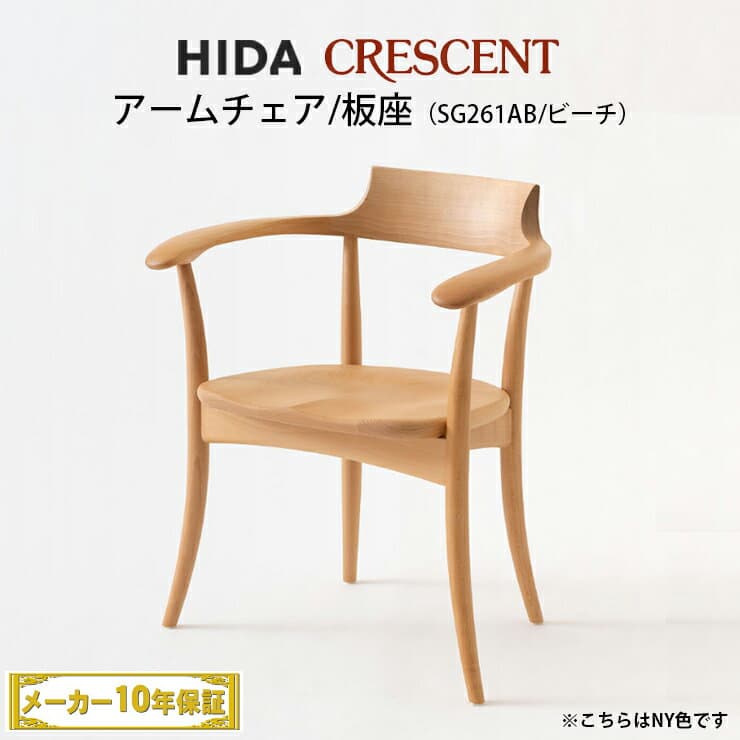
Hida Sangyo CRESCENT SG261AB Armchair
飛騨産業 CRESCENT アームチェア ビーチ材 板座 SG261AB クレセント 飛騨椅子 HIDA椅子 飛騨産業椅子 飛騨いす CRESCENT飛騨 hida 飛騨CRESCENT クレセント飛騨 クレセントHIDA 飛騨の家具 飛騨家具 キツツキマーク 10年保証
beech wood, wooden seat家具のファンタス 楽天市場店
Japanese name飛騨の家具
In Takayama and Hida, makers turn beech and other woods through steam, molds, drying rooms, and moisture control into chairs, tables, and small wooden pieces seen in daily interiors.
Information last updated 7 days ago
3 images飛騨産業 CRESCENT アームチェア ビーチ材 板座 SG261AB クレセント 飛騨椅子 HIDA椅子 飛騨産業椅子 飛騨いす CRESCENT飛騨 hida 飛騨CRESCENT クレセント飛騨 クレセントHIDA 飛騨の家具 飛騨家具 キツツキマーク 10年保証
beech wood, wooden seat家具のファンタス 楽天市場店
 3 images
Ritz スポッと®チェア 【チェア (アームレス) DCL-323】 飛騨の家具 ダイニングチェア 姿勢改善 座面調整可能 おしゃれ カジュアルモダン 合成皮革張り 天然木 オーク材 日本製
Armless DCL-323暮らしの家具インテリア
 3 images
Ritz スポッと®チェア 【アームチェア DCA-323】 飛騨の家具 ダイニングチェア 姿勢改善 座面調整可能 おしゃれ カジュアルモダン 合成皮革張り 天然木 オーク材 日本製
Armchair DCA-323暮らしの家具インテリア
 3 images
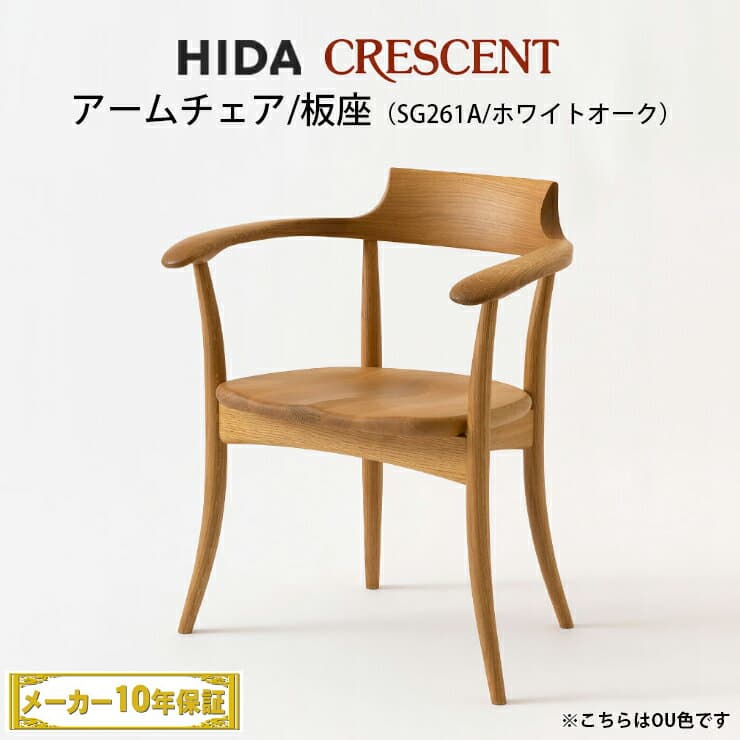
飛騨産業 CRESCENT アームチェア ホワイトオーク材 板座 SG261A クレセント 飛騨椅子 HIDA椅子 飛騨産業椅子 飛騨いす CRESCENT飛騨 hida 飛騨CRESCENT クレセント飛騨 クレセントHIDA 飛騨の家具 飛騨家具 キツツキマーク 10年保証
white oak, wooden seat家具のファンタス 楽天市場店
5.0 / 1 reviews
First time buying on Rakuten? How residents in Japan order →
All 4 listings of this product on Rakuten, lowest price first.
| Listing | Price | Shop | Reviews | Open listing |
|---|---|---|---|---|
Hida Sangyo CRESCENT SG261AB Armchair beech wood, wooden seatLowest price | ¥89,100 | 家具のファンタス 楽天市場店 | View on Rakuten → | |
Ritz スポッと® Hida Furniture Armless Dining Chair Armless DCL-323 | ¥92,400 | 暮らしの家具インテリア | View on Rakuten → | |
Hida Furniture Ritz Spotto Chair Oak Dining Armchair Armchair DCA-323 | ¥99,000 | 暮らしの家具インテリア | View on Rakuten → | |
Hida Sangyo CRESCENT SG261A White Oak Wooden-Seat Armchair white oak, wooden seat | ¥99,000 | 家具のファンタス 楽天市場店 | 5.0 / 1 reviews | View on Rakuten → |
Japanese · new tab
Hida furniture begins with a curve: a chair back or leg bent while the wood is still hot. The regional furniture family is centered on makers in Takayama and Hida, in northern Gifu Prefecture, and its modern industry is tied to a Western-style chair made around 1920. Older Hida woodworking appears in Nara and Heian-period accounts of Hida no Takumi carpenters, yet the present furniture path is clearest when it stays close to beech, steam, metal molds, drying rooms, and the chairs that move into everyday spaces.
Hida furniture has a specific regional frame: manufacturers and related makers in Takayama and Hida produce it through the Hida Woodworking Federation. The same network gathers member-company information, showroom routes, and the annual Hida Furniture Festival, giving the chairs and tables a visible map inside the two cities. The festival places new furniture at the Hida World Life Culture Center in Takayama and connects visitors with company showrooms, workshops, talks, and museum tours; in that setting, a chair is seen beside the maker’s technique, the showroom floor, and the local wood industries around it.
One modern starting point is a Western-style chair made around 1920, when chairs and tables had not yet become part of ordinary Hida living. From that object, the region developed as a major bentwood-chair production area through woodworking skill, research, and manufacturing improvements. The older woodworking backdrop is Hida no Takumi: Nara and Heian-period context links Hida carpenters with palace and temple construction, including Heian court buildings. That background belongs beside the later furniture industry that grew from chairs, tables, and bentwood technology.
Beech appears in the Hida furniture history as a wood brought into bentwood work. In hand-bending, wood is softened by high-temperature steaming, pressed along a metal mold while hot, and shaped before the cooling wood loses its flexibility. The work depends on species hardness, grain direction, speed, and shared timing. Several hands may need to match the mold and pressure so one length of wood becomes a clean curve for a chair back or leg.
After bending, the curve still has to settle. The Hida technical account gives drying, moisture measurement, drying rooms, and high-frequency drying an important place because water inside the wood affects cracking, springback, and deformation. That hidden stage helps explain the calm look of a finished chair. A curve that survives drying can serve at a dining table, in a hotel room, or in a public facility after its steamed and bent beginning.
The 2024 Hida Furniture Festival made the material route legible through Hida forest tours, log tours, workshops, museum opening, and showroom sub-venues in Takayama and Hida. The route lets a person connect a mountain log with a chair displayed at the main venue. School and workshop programs add another scale: elementary-school chair drawings after factory visits, a woodworking school workshop, and displays of small wooden works place furniture beside learning hands and local classrooms.
Member companies have supplied Hida furniture to public facilities, restaurants, inns, and hotels. Those interiors turn the chair into a daily object: something pulled back from a table, set in a lobby, or touched at the edge of a guest room. The annual exhibition and company showrooms keep a second view open. New furniture, maker techniques, and small wooden objects show how bentwood curves and stable drying move from workshop practice into rooms where people sit, eat, wait, and gather.
Hida furniture is easiest to understand through concrete steps: the two-city maker community of Takayama and Hida, the Western-style chair around 1920, beech in bentwood history, steam, metal molds, drying, and moisture control. The older Hida no Takumi background gives the region a long woodworking frame; the modern chair line gains its shape from the bentwood process, the festival routes, and the spaces where finished furniture is used.
Compiled from public records and official sources; see the recognition links below. Details may change over time.
Where this product is officially registered, designated, or recognized in Japan.
Regional collective trademark
Registered as a Regional Collective Trademark with the Japan Patent Office.
Sources1
It is written as 飛騨の家具 in Japanese. Search Rakuten and other Japanese sites with that spelling — the English name will not bring up the listings.
Hida furniture is a regional furniture family centered on makers in Takayama and Hida, Gifu Prefecture. The modern industry is tied to a Western-style chair made around 1920 and to bentwood work. The furniture appears in annual exhibitions, showrooms, workshops, hotels, restaurants, inns, public facilities, and everyday interiors.
Manufacturers and related makers in Takayama and Hida are linked through the Hida Woodworking Federation. Bentwood work involves high-temperature steaming, mold bending while hot, drying, and moisture control. Beech appears in the history of Hida bentwood furniture as a wood used in the technique. The Hida Furniture Festival links the Hida World Life Culture Center with showrooms in Takayama and Hida, and presents new furniture, workshops, talks, and tours.
It is used as home seating and dining furniture, after a shift into Western-style chairs and tables when local daily life still centered on tatami and low tables. Member companies have supplied furniture to public facilities, restaurants, inns, and hotels. New furniture is shown at annual exhibitions and local showrooms, including the Hida World Life Culture Center.
Keep wood, bamboo, and lacquer out of prolonged soaking, dishwashers, and direct sun — wipe dry after use and let them air out in the shade. For metal and fabric goods, follow the care notes on the listing.
Most options are shelf-stable, boxed, and travel well, so they suit gifting or bringing home. Confirm the final storage and delivery terms on the Rakuten listing.
On Rakuten: the shops listed here right now are 家具のファンタス 楽天市場店, 暮らしの家具インテリア. We don't sell directly; purchase, payment, stock, and delivery are all handled on the Rakuten product page.