Hida Reigetsu Tomatoes, Home-Use Imperfect
【先行予約】《2026年6月末〜8月末発送予定》ご家庭用 飛騨トマト 約1.8kg ・ 約4kg | 令和8年産 飛騨 岐阜県産 とまと トマト 麗月 夏野菜 訳あり 令和8年 2026年 不揃い 傷 キズ 玉数・大きさおまかせ サトーカルチャー 送料無料 岐阜県 岐阜 農家直送 野菜 ぎふまる
approx. 1.8kg / 4kg産地直送!ぎふまる楽天市場店
4.4 / 8 reviews
Japanese name飛騨トマト
In Hida, summer-autumn tomatoes are tied to rain-shelter pipe houses, shared sorting sites, taste-led variety choices, and five-liter nonwoven pots used in the 3S system.
Information last updated 119 days ago
【先行予約】《2026年6月末〜8月末発送予定》ご家庭用 飛騨トマト 約1.8kg ・ 約4kg | 令和8年産 飛騨 岐阜県産 とまと トマト 麗月 夏野菜 訳あり 令和8年 2026年 不揃い 傷 キズ 玉数・大きさおまかせ サトーカルチャー 送料無料 岐阜県 岐阜 農家直送 野菜 ぎふまる
approx. 1.8kg / 4kg産地直送!ぎふまる楽天市場店
4.4 / 8 reviews
First time buying on Rakuten? How residents in Japan order →
Hida Tomato refers to summer-autumn tomatoes grown and shipped from the Hida area of northern Gifu Prefecture. By 2011, full-scale summer-autumn tomato cultivation there had reached about half a century. In a mountain area where fields are difficult to consolidate and large machinery is hard to use, the red fruit is connected to pipe houses, shared sorting sites, JA and producer groups, and later work on the 3S system for repeated-cropping disease.
Hida lies in northern Gifu, with the Takayama area set among mountains, forest, old town scenery, and seasonal nature. Gifu Prefecture is described as roughly 80 percent forest, and that intermediate-and-mountainous terrain makes large field consolidation and heavy machinery difficult. Hida tomatoes grew within that setting through summer-autumn houses, local shipping groups, and the hands of growers working across scattered mountain fields.
In the late 1960s, Hida introduced rain-shelter cultivation using pipe houses. Keeping rain off the plants improved quality and production volume, and shipments to the Osaka market began. That shift helped summer-autumn tomatoes settle in as one of Hida’s agricultural products; by 2011, the full-scale cultivation period had reached about half a century, linking the red fruit with summer-autumn timing, house frames, and mountain farm schedules.
As scale grew, grading and packing at each farm could keep growers working late into the night, a burden for existing farms, new entrants, and successors. From 1979, shared sorting facilities were developed around Hida, eventually forming eight sites. Producer groups, local administration, and JA pushed the system forward, moving grading and packing into shared work and supporting expansion from 1980 into the mid-1990s. In 2011, the Hida Tomato division counted 369 farms and 130 hectares under cultivation.
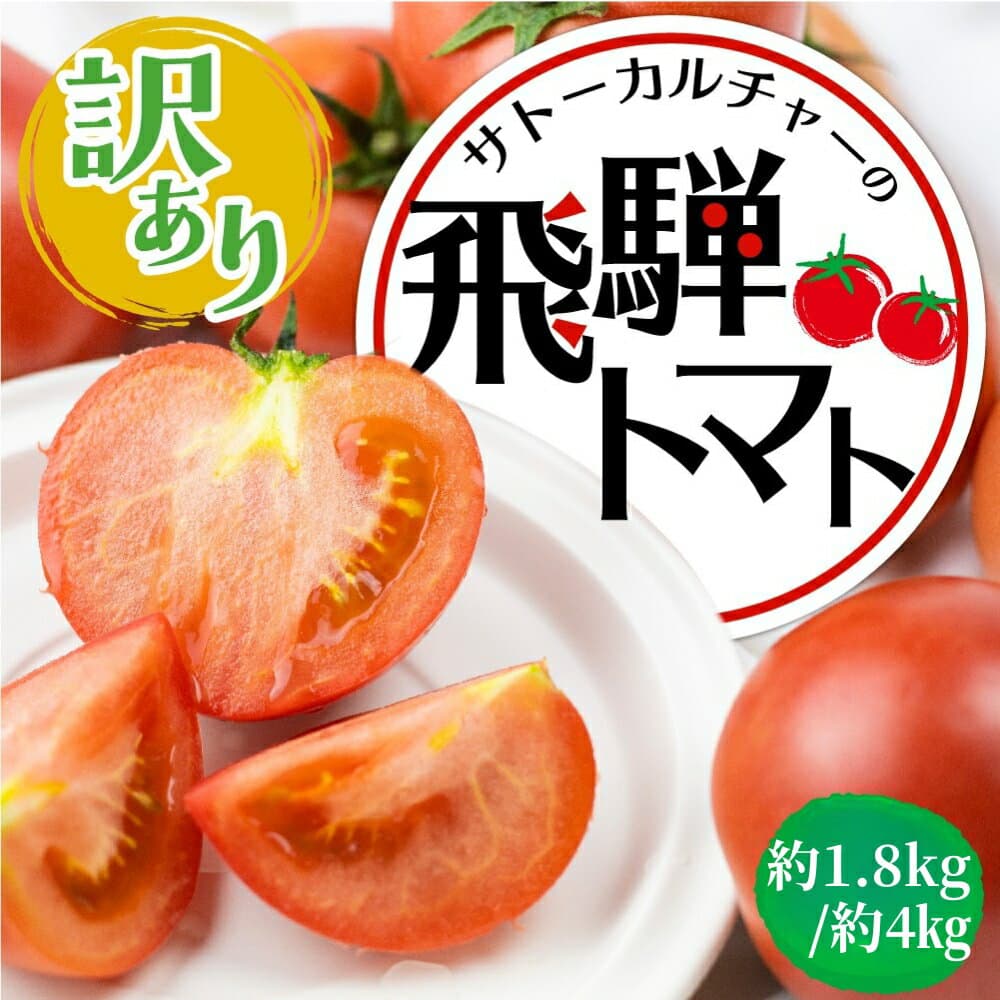
In Hida, variety discussions place flavor at the center of decision-making, with growers taking the clear position that taste should not be sacrificed when choosing a variety. In the JA Hida area in 2021, the summer-autumn large tomato variety Reigetsu was described with a 78 percent share. Its role connects variety choice with yield, red-ripened harvest, fruit color, low cracking, and eating quality.
Years of repeated tomato cropping in the same fields brought soil disease and stagnant yield to JA Hida tomato cultivation. The 3S system grows tomatoes in five-liter nonwoven-fabric pots with a small amount of medium and nutrient solution, then uses black-globe-based irrigation control to guide watering. The Gifu intermediate-and-mountainous agriculture research institute, JA, and growers put the method into mountain houses to avoid repeated-cropping disease and raise yield.
The Takayama district tomato group has 50 members, and its youth section has 15 members; new growers have also been increasing, keeping cultivation discussion active among producers. Hida Takayama is a visitor area known for old streets, mountains, and seasonal nature. In that setting, the tomato group placed stickers reading umai, shinsen, Hida Tomato on 400 vehicles so visitors and residents could see the name of the red local crop on roads and in town.
Hida Tomato is shaped by concrete things: rain-shelter pipe houses from the late 1960s, shared sorting sites after 1979, a 369-farm producer division, variety choices that keep taste in view, and five-liter nonwoven pots in the 3S system. Together they connect northern Gifu’s mountain fields, summer-autumn tomatoes, and a grower community still adjusting its methods.
Compiled from public records and official sources; see the recognition links below. Details may change over time.
Where this product is officially registered, designated, or recognized in Japan.
Regional collective trademark
Registered as a Regional Collective Trademark with the Japan Patent Office.
Sources1
It is written as 飛騨トマト in Japanese. Search Rakuten and other Japanese sites with that spelling — the English name will not bring up the listings.
Hida tomatoes are summer-autumn tomatoes grown and shipped from the Hida area of northern Gifu Prefecture. Full-scale cultivation there has continued for close to half a century. Growers have adjusted methods over time, including rain-shelter greenhouse cultivation and shared sorting facilities, to improve quality and address repeated-cropping disease and stagnant yields.
Late-1960s pipe-house rain-shelter cultivation improved quality and production volume and supported shipments to the Osaka market. Shared sorting facilities began from 1979 and eventually formed eight sites across the Hida area. In the 2021 Takayama district context, the tomato group had 50 members and a youth section of 15 members. The 3S system uses five-liter nonwoven-fabric pots, a small amount of medium, nutrient-solution cultivation, and black-globe irrigation control to address repeated-cropping disease and stagnant yield.
It is eaten as a summer table vegetable, often served alongside other vegetables associated with cooling the body. Fresh tomatoes are valued for their taste, since variety selection in the production area emphasizes taste and does not accept sacrificing it.
Storage varies by product — shelf-stable, refrigerated, or frozen — and is stated on the packaging and the Rakuten listing. Shelf-stable processed foods usually need refrigerating once opened and eating within a few days; chilled and frozen items go straight into storage on arrival. Treat the best-before date on the physical packaging as authoritative.
Most options are shelf-stable, boxed, and travel well, so they suit gifting or bringing home. Confirm the final storage and delivery terms on the Rakuten listing.
On Rakuten: the shops listed here right now are 産地直送!ぎふまる楽天市場店. We don't sell directly; purchase, payment, stock, and delivery are all handled on the Rakuten product page.