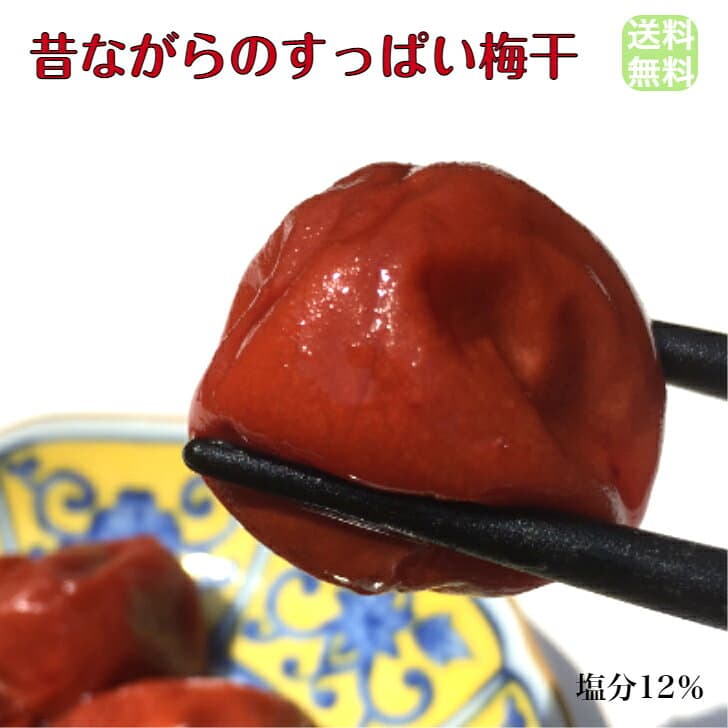
 3 images
氷見稲積梅 Traditional Sour Shiso Umeboshi
★送料無料★昔ながらのすっぱい梅干 氷見稲積梅 1kg (ご自宅用)【無添加】【しそ梅】
1kg home-use pack富山米専門店 米らんど
4.9 / 50 reviews
Japanese name氷見稲積梅
In Himi City, Toyama, a pale-green plum selected from the Inazumi district is kept through grafted trees, June and July harvests, careful pruning, umeboshi, juice, and plum wine.
Information last updated 120 days ago
3 images★送料無料★昔ながらのすっぱい梅干 氷見稲積梅 1kg (ご自宅用)【無添加】【しそ梅】
1kg home-use pack富山米専門店 米らんど
4.9 / 50 reviews
First time buying on Rakuten? How residents in Japan order →
Himi Inazumiume belongs to Himi City in Toyama Prefecture and to the Inazumi district where the Inazumi plum was found and selected in 1949. The fruit has pale green skin, a small stone, and thick flesh; fruit carrying the Himi Inazumiume name is at least 15 g and free of rot or serious disease damage. Its yearly life in Himi orchards is concrete: blossoms in March and April, grafted young trees, harvests from June to July, pruning after the season, and processing into umeboshi, juice, plum wine, jelly, dressing, and jam.
The home ground of Himi Inazumiume is Himi City in Toyama Prefecture, with the Inazumi district named as the place where the plum was discovered. In 1949, the fruit was selected as Inazumi No. 1, giving later growers a named variety to keep in the orchards. Himi, Toyama, and Inazumi are the place names that hold the fruit’s identity together.
The scale changed over time. Early cultivation involved only a few households and about 1.9 ha, then organized planting grew after the production association was established in 2001. By 2019, Himi Inazumiume had expanded to 8.8 ha, 27 producing households, and 27 t of production. Those numbers make continued care visible through trees, managed land, and families working with the same plum variety.
The fruit can be recognized through physical traits. Himi Inazumiume has pale green skin, a small stone, and thick flesh, and it is generally described as a medium-sized plum. A Toyama food feature gives the size as about 15 to 25 g, while the named fruit is at least 15 g and has no rot or serious disease damage. The quality line begins with weight, surface condition, and inner structure.
The small stone matters because it leaves a higher share of edible flesh. That thick flesh supports umeboshi, juice, plum wine, jelly, dressing, jam, and other processed foods. When made into umeboshi, the fruit is valued for resisting skin splitting, taking color well, and finishing with moderate acidity, so the shape of the plum carries through to texture, color, and taste.
The work around Himi Inazumiume follows the seasons. Blossoms appear from March to April while the air can still be cold, and fruit sets before summer begins. The cultivation calendar includes pruning in November, winter and spring disease and pest care, and harvest from June to July. Month by month, the plum is tied to visible orchard tasks.
Hand work remains central because the skin is soft. In one producer’s orchard, after the June and July harvest, about 300 plum trees are pruned one by one over one to two months from mid-October. The wider production area also includes plantings on abandoned farmland, along roadsides, and in parks, with shared pruning, pest control, and harvest work used to manage the trees.
Inazumi plums are not maintained by planting the fruit’s seed alone. Young trees have been increased through grafting, and one account notes that the original tree remains while fourth-generation grafted young trees now support nursery work. Continuity here is a branch joined to a rootstock, then trained into a tree that can bear the same named plum.
The expansion after 2001 also depended on young trees. During early planting work, growers put in 500 to 700 Inazumi plum trees a year, opening neglected satoyama and idle farmland for orchards. Over time, that work shifted Himi Inazumiume from a few household plots into a broader planted landscape managed by multiple producers in Himi.
Umeboshi is one of the clearest uses for Himi Inazumiume. The process described for the fruit uses hand-picked ripe plums, sun-dried salt, red shiso from Himi, and drying in the sun, including a two-stage drying method. The finished taste is shaped by plum flesh, salt, red shiso color, and sunlight.
A Toyama feature describes a sun-salt Himi Inazumiume umeboshi that opens with sourness, carries umami, and leaves a mellow finish. Because the fruit is thick-fleshed, the umeboshi keeps a meaty presence, which helps explain why this plum fits rice balls, bento, and everyday rice accompaniments.
Himi Inazumiume is used beyond umeboshi because the fruit has a high flesh share and a clean processing character. Listed uses include plum wine, juice, gelato, kuzukiri, dressing, and jam. A plum wine example combines Hakusan spring water and rice shochu, while other development has carried the Inazumi plum into drinks and prepared foods.
The material itself explains the range: a small stone, thick flesh, harvests in June and July, and Himi processing practices that carry the plum into salty, sour, sweet, and drinkable forms. The local character of Himi Inazumiume is found in those concrete links between city, orchard, variety, and kitchen use.
Himi Inazumiume can be understood through Himi City, the Inazumi variety, pale green skin, a small stone, thick flesh, and a fruit size line of at least 15 g. Its life in the region is equally concrete: grafted young trees, June and July harvests, pruning after the season, sun-dried salt, Himi red shiso, and processing into umeboshi, juice, plum wine, jelly, and jam. The fruit’s appeal rests in that visible chain from orchard work to the table.
Compiled from public records and official sources; see the recognition links below. Details may change over time.
Where this product is officially registered, designated, or recognized in Japan.
Geographical Indication (GI)
Registered under Japan's Geographical Indication Protection System, run by the Ministry of Agriculture, Forestry and Fisheries.
Sources1
It is written as 氷見稲積梅 in Japanese. Search Rakuten and other Japanese sites with that spelling — the English name will not bring up the listings.
Himi Inazumiume is an Inazumi-variety plum from Himi City, Toyama Prefecture, selected in the Inazumi district in 1949. It has pale green skin, a small stone, and thick flesh; shipped fruit must weigh at least 15 g and avoid rot or serious disease damage. Growers maintain the variety through grafting, harvest in June and July, and prune after season. Its flesh suits umeboshi, juice, plum wine, jelly, dressing, and jam, with umeboshi made using sun-dried salt and Himi red shiso.
Himi Inazumiume is registered under Japan's Geographical Indication protection system as registration number 112, registered on 2022-02-03. The thick flesh and resistance to skin splitting make Himi Inazumiume suitable for umeboshi. Typical fruit size is described as about 15 to 25 g. The variety is maintained mainly through grafting rather than by planting seeds to reproduce the same plum.
Umeboshi, a salt-pickled plum, is commonly eaten in Japan and served with rice balls or bento. Processed products include plum wine, juice, gelato, kuzukiri, dressing, and jam, used in home cooking as well as hotels and restaurants. One version of Himi Inazumiume umeboshi is made with about 12% sun-dried salt with no additives or coloring, giving an initial sourness and umami followed by a mellow finish.
Storage varies by product — shelf-stable, refrigerated, or frozen — and is stated on the packaging and the Rakuten listing. Shelf-stable processed foods usually need refrigerating once opened and eating within a few days; chilled and frozen items go straight into storage on arrival. Treat the best-before date on the physical packaging as authoritative.
Most options are shelf-stable, boxed, and travel well, so they suit gifting or bringing home. Confirm the final storage and delivery terms on the Rakuten listing.
On Rakuten: the shops listed here right now are 富山米専門店 米らんど. We don't sell directly; purchase, payment, stock, and delivery are all handled on the Rakuten product page.