 3 images
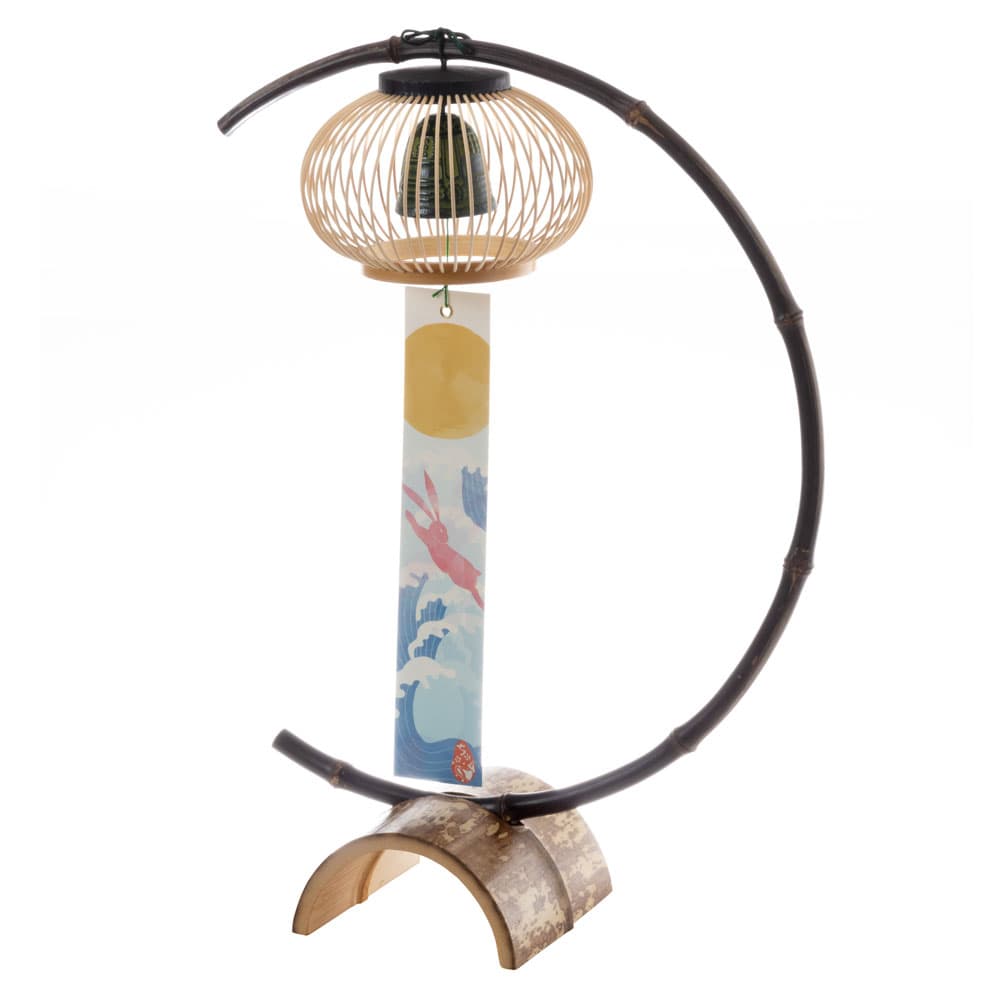
Suruga Takesensuji Bamboo Craft Seifu Standing Wind Chime
駿河竹千筋細工 置き風鈴 清風 89108 静岡 伝統工芸品 竹 風鈴 夏 インテリア 杉山雅泰 手作り 日本製
Seifu standing typeこだわりの和雑貨 和敬静寂
5.0 / 4 reviews
Japanese name駿河竹千筋細工
Suruga Take Sensuji Zaiku turns thin round bamboo strips into curves for lamps, wind chimes, flower vessels, tea objects, and everyday rooms in central Shizuoka.
Information last updated 7 days ago
3 images駿河竹千筋細工 置き風鈴 清風 89108 静岡 伝統工芸品 竹 風鈴 夏 インテリア 杉山雅泰 手作り 日本製
Seifu standing typeこだわりの和雑貨 和敬静寂
5.0 / 4 reviews
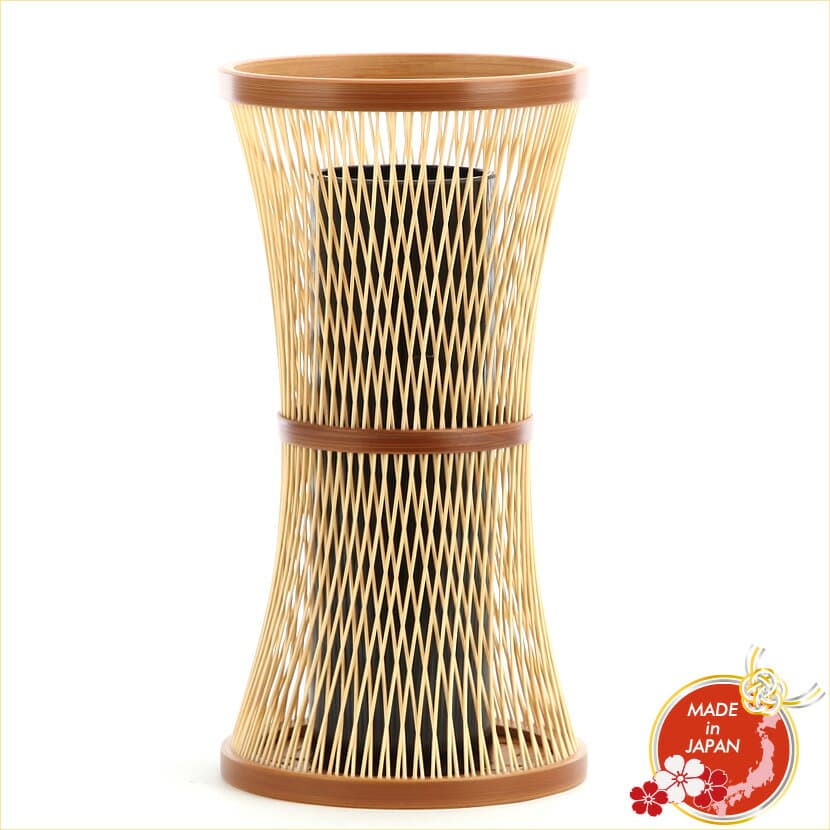
駿河竹千筋細工 花器 鼓 日本製 手作り品 ギフト プレゼント 贈り物 外国人向け 日本土産 日本みやげ 和 インテリア フラワーベース オフィス 和モダン 生け花 華道 おしゃれ 静岡県伝統工芸品 伝統工芸士 千筋細工 道具 作家
11.5 cm diameter x 22.5 cm tall和雑貨・工芸・結納品の久宝堂
5.0 / 1 reviews
 3 images
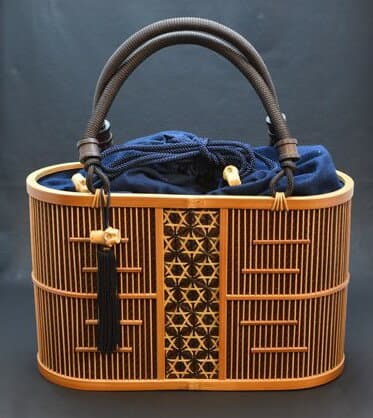
日本製 手提げ籠 葵 駿河竹千筋細工 送料無料 静岡職人仕上 中
medium足利屋楽天市場店
 3 images
駿河竹千筋細工 花器 千姫 さらし 静岡 伝統工芸品 竹 花瓶 白竹 インテリア 黒田雅年 手作り ギフト 日本製
bleached bambooこだわりの和雑貨 和敬静寂
5.0 / 2 reviews
 3 images
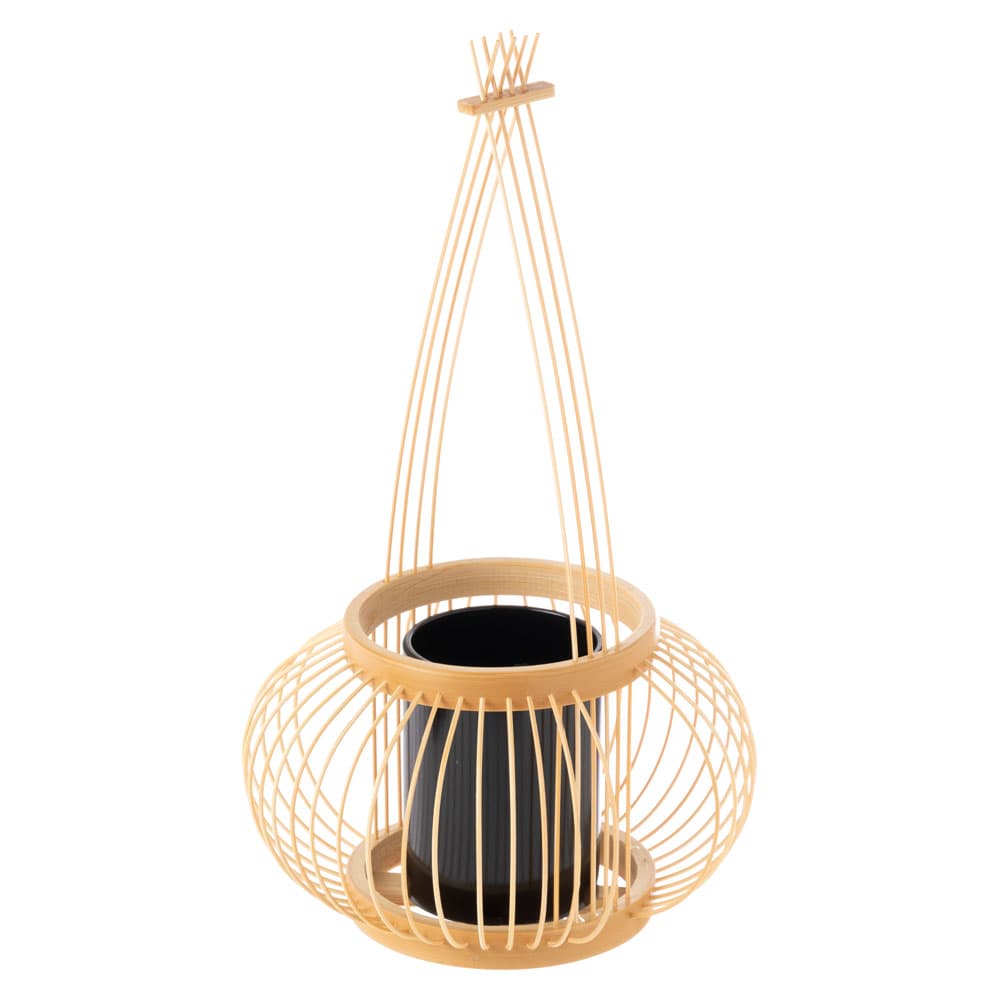
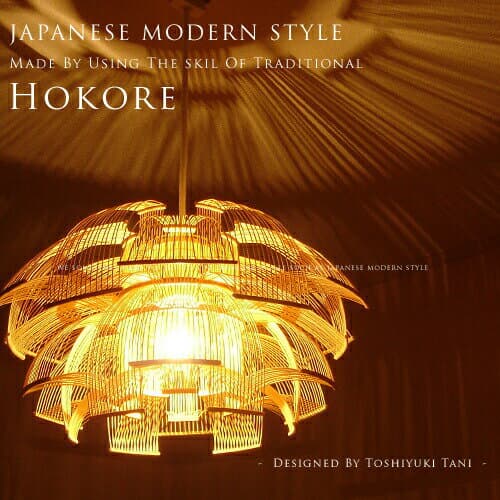
照明作家 谷俊幸 HOKORE ほこれ ペンダントライト 伝統工芸 駿河竹千筋細工 和モダン 北欧モダン ナチュラル ジャパンディスタイル ダイニング リビング 寝室 和室 玄関 階段 吹き抜け 廊下 ホール LED対応 竹 モダン 日本製 照明 ハイクラス 和風照明 天井照明(PX10
W460 x D460 x H270 mm shadeジャパンブリッジ
5.0 / 4 reviews
First time buying on Rakuten? How residents in Japan order →
All 5 listings of this product on Rakuten, lowest price first.
| Listing | Price | Shop | Reviews | Open listing |
|---|---|---|---|---|
Suruga Take Sensuji Zaiku Senhime Bleached Bamboo Flower Vase by Masatoshi Kuroda bleached bambooLowest priceGift-ready | ¥6,270 | こだわりの和雑貨 和敬静寂 | 5.0 / 2 reviews | View on Rakuten → |
Suruga Take Sensuji Zaiku Tsuzumi Bamboo Flower Vase 11.5 cm diameter x 22.5 cm tallGift-ready | ¥11,000 | 和雑貨・工芸・結納品の久宝堂 | 5.0 / 1 reviews | View on Rakuten → |
Suruga Takesensuji Bamboo Craft Seifu Standing Wind Chime Seifu standing type | ¥23,870 | こだわりの和雑貨 和敬静寂 | 5.0 / 4 reviews | View on Rakuten → |
Aoi Suruga Bamboo Sensuji Craft Hand Basket medium | ¥88,000 | 足利屋楽天市場店 | View on Rakuten → | |
Toshiyuki Tani HOKORE Suruga Bamboo Sensuji Pendant Light W460 x D460 x H270 mm shade | ¥108,900 | ジャパンブリッジ | 5.0 / 4 reviews | View on Rakuten → |
Japanese · new tab
Suruga Take Sensuji Zaiku begins with central Shizuoka’s bamboo landscape. The Abe River and Warashina River basins are tied to young bamboo and hachiku, while older Suruga bamboo goods such as basket pillows, hats, flower vessels, and insect cages were seen along the Tokaido road. In today’s andon lamps, lampshades, wind chimes, flower vessels, confectionery vessels, and hand-carry objects, the craft still speaks through narrow bamboo ribs, open curves, and household use.
The place anchor is concrete: central Shizuoka once produced quality bamboo, and the Abe and Warashina river basins are associated with young bamboo and hachiku. In the Edo period, Suruga bamboo goods such as basket pillows, hats, flower vessels, and insect cages became familiar to daimyo processions, samurai, and travelers moving along the Tokaido. That background gives the craft its cultural setting in a practical sense: river valleys, bamboo material, road traffic, and usable objects shaped how people encountered local bamboo work.
The refined form used today is traced to 1840, when Suganuma Iga, a retainer from Okazaki, stopped in Shizuoka and taught a method for shaving split bamboo into thin round strips called maru-higo. The regional craft association also links the transmission to Shimizu Ibei, who learned the method, trained many disciples, and made confectionery vessels and insect cages. This keeps the chronology precise: older bamboo use belongs to the region’s background, while the named fine-line technique is tied to a specific nineteenth-century episode.
The making process moves through named hand operations: removing the bamboo skin, splitting the culm, preparing higo, bending with a heated tool, and shaving parts used to hold a cage-like form. Thin round higo are set one by one into the structure, bent into curves, and joined at ring sections with tsugite. Most of the work is described as being carried through close to completion by one craftsperson, so the spacing, curve, and finish of the object stay tied to repeated hand decisions.
A key difference in the Shizuoka method is the use of round higo rather than flat strips woven into broad surfaces. Round higo can stand in slender parallel lines, bend into circular forms, and leave open space between ribs. The tsugite at the ring sections gives those lines a stable join, visible in the light frame of a lamp, the outline of a flower vessel, or the small structure of a wind chime or confectionery vessel.
Current forms place the craft in rooms rather than in a single display category. Andon lamps and lampshades let light pass through the gaps between bamboo ribs; wind chimes carry the line work into a seasonal sound object; flower vessels hold branches or stems; confectionery vessels and tea utensils bring the bamboo structure near the table or tea setting. Bags and insect cages also remain part of the product family, showing how the same round-higo method moves across carrying, display, lighting, and small household uses.
Continuity sits in the pace of learning as much as in finished objects. The regional association says the field is labor-intensive and that becoming fully skilled is said to take five to ten years. Shizuoka City names skilled local craftspeople and points to a hands-on craft facility where visitors can try Suruga Take Sensuji Zaiku and other Shizuoka craft practices. The craft’s tradition is therefore concrete work: making higo, bending lines, joining rings, and passing those actions from experienced hands to new ones.
After the bamboo, process, and household forms are clear, the administrative side can stay compact. National traditional-craft status, cooperative name protection, and inspected labels help frame the term as a Shizuoka maker-community name connected with round higo, local identity, and quality boundaries. In reader terms, those markers point back to place, method, and checked workmanship rather than replacing the visible bamboo lines themselves.
Suruga Take Sensuji Zaiku is built from river-basin bamboo context, the 1840 transmission of round-higo technique, and the patient work of placing thin strips one by one. In lamps, wind chimes, flower vessels, confectionery vessels, tea utensils, bags, and insect cages, the craft keeps Shizuoka’s bamboo lines close to light, sound, flowers, sweets, tea, and the hand.
Compiled from public records and official sources; see the recognition links below. Details may change over time.
Where this product is officially registered, designated, or recognized in Japan.
It is written as 駿河竹千筋細工 in Japanese. Search Rakuten and other Japanese sites with that spelling — the English name will not bring up the listings.
Suruga Take Sensuji Zaiku is a bamboo craft from the Suruga and central Shizuoka area. It is defined by thin round bamboo strips, or maru-higo, set one by one into curved forms and joined at ring sections with tsugite. The current fine-line form is traced to an 1840 transmission by Suganuma Iga. Today it appears in andon lamps, lampshades, wind chimes, flower vessels, confectionery vessels, tea utensils, bags, and insect cages.
Suruga Take Sensuji Zaiku is tied to central Shizuoka and the Suruga area, with bamboo context around the Abe and Warashina river basins. In the Edo period, Suruga bamboo goods such as basket pillows, hats, flower vessels, and insect cages were known among Tokaido travelers. Much of the work, including finishing, is typically carried out by a single craftsperson. Becoming fully skilled is said to take five to ten years, according to the regional craft association.
Andon lamps and lampshades are used indoors, where the curved higo shapes soften the light. Flower vessels, confectionery vessels, and tea utensils are used for everyday display and hospitality settings. Wind chimes use the fine curved higo structure for sound and seasonal display in living spaces.
Keep craft pieces out of direct sunlight, damp, and sharp temperature swings, and store them where they won't knock against anything. Wood, bamboo, lacquer, and paper don't tolerate water — wipe any moisture off immediately. Specific care notes are on the listing.
Most options are shelf-stable, boxed, and travel well, so they suit gifting or bringing home. Confirm the final storage and delivery terms on the Rakuten listing.
On Rakuten: the shops listed here right now are こだわりの和雑貨 和敬静寂, 和雑貨・工芸・結納品の久宝堂, 足利屋楽天市場店, ジャパンブリッジ. We don't sell directly; purchase, payment, stock, and delivery are all handled on the Rakuten product page.