 3 images
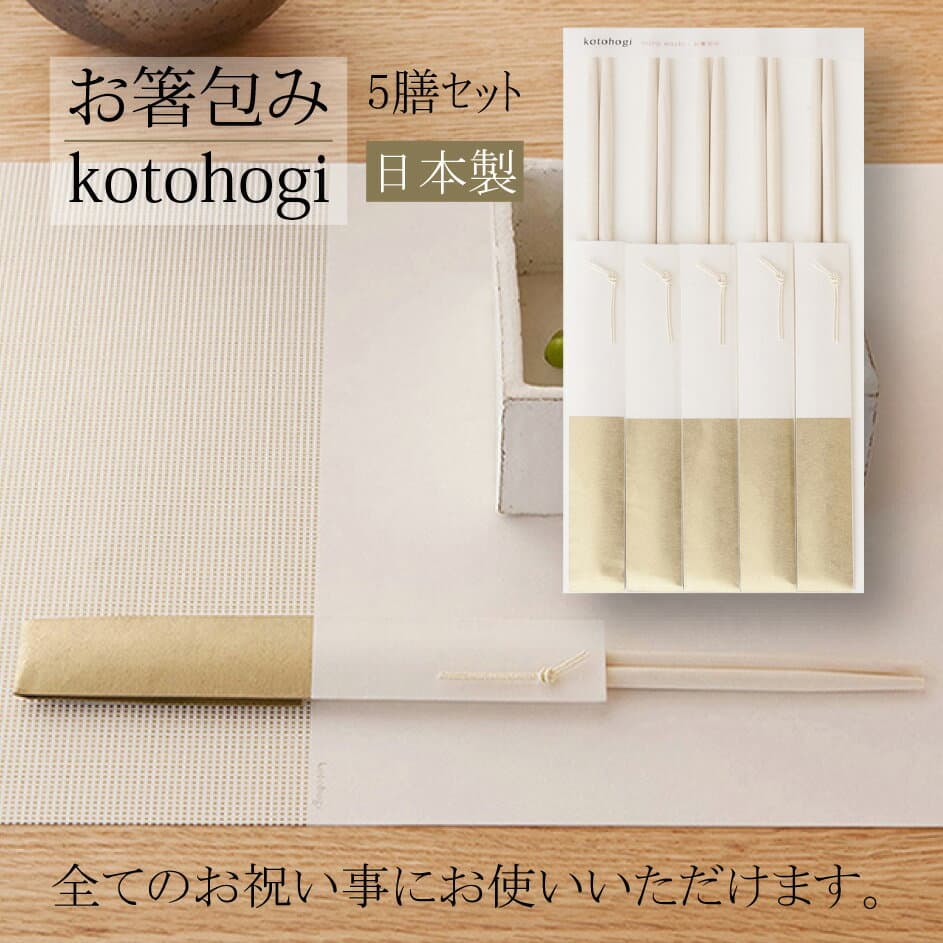
kotohogi Mino Washi & Yoshino Hinoki Celebration Chopsticks
お箸包み kotohogi 5膳入り お祝い箸 祝箸 箸 割り箸 お箸袋 吉野桧箸 両口箸 日本製 国産 伊予水引 水引飾り おうちごはん ゴールド 美濃和紙 おしゃれ シンプル かわいい 和モダン
5 pairsPAPER FACTORY
5.0 / 23 reviews
Japanese name吉野桧
In Nara’s Yoshino area, close planting, pruning, thinning, log yards, grading, and finishing shape cypress for houses, shrine buildings, interiors, and everyday wooden objects.
Information last updated 121 days ago
3 imagesお箸包み kotohogi 5膳入り お祝い箸 祝箸 箸 割り箸 お箸袋 吉野桧箸 両口箸 日本製 国産 伊予水引 水引飾り おうちごはん ゴールド 美濃和紙 おしゃれ シンプル かわいい 和モダン
5 pairsPAPER FACTORY
5.0 / 23 reviews
 3 images
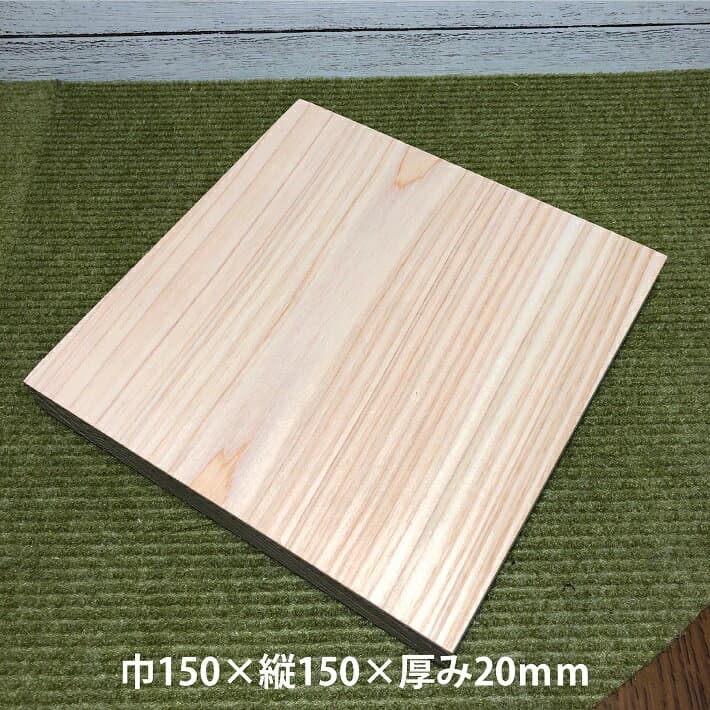
【150角厳選吉野桧】表札サイズ桧板(無塗装) 150×150×20(mm)|木材 木 天然木 無垢材 桧 表札 ネームプレート ハンドメイド クラフト 端材 工作 木工 手作り 木の板 板 小物 材料 名札 プレート 木目 年輪 色艶香り 送料無料
150 x 150 x 20 mmnantomokuzai なんともくざい
4.5 / 2 reviews
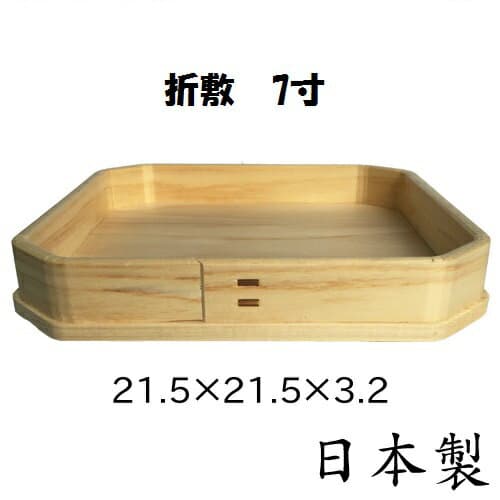
【国産】木製 三宝 7寸【皿のみ】折敷 吉野桧 日本製
7 sun, tray onlyインテリア×生活雑貨 八風堂
4.0 / 1 reviews
First time buying on Rakuten? How residents in Japan order →
Yoshino cypress begins in the mountain forests and timber towns of the Yoshino area in Nara Prefecture. Places such as Yoshino-cho, Nishi-Yoshino, Kamiichi, and Tanji are tied to log yards, cooperatives, sawmills, and the Yoshino Timber Center. The path of the wood runs from close planting, pruning, and thinning to sorting by knots, surface quality, dimensions, and use, then into houses, shrine buildings, interiors, counters, tables, and small wooden goods.
Yoshino cypress is rooted in the Yoshino area of Nara Prefecture, where forest slopes meet timber handling in places such as Yoshino-cho, Nishi-Yoshino, Kamiichi, and Tanji. Local organizations handle Yoshino cypress alongside Yoshino cedar, connecting logs from the mountains with grading, sawing, processing, and building use. The Yoshino Lumber Industrial Cooperative is described as a group of wood businesses in a Yoshino region known for Yoshino cedar, Yoshino cypress, forestry, and sawmilling. The wider Nara wood cooperative network also lists organizations connected with Yoshino timber. The material comes into view through this regional chain of forests, log yards, sawmills, woodworkers, and architectural needs.
The character of Yoshino cypress starts with forest work. The Yoshino Timber Center describes dense planting of about 8,000 to 12,000 trees per hectare, followed by pruning and thinning. Close planting encourages upward growth, pruning reduces knots and helps keep trunks straight, and thinning leaves space and nourishment for stronger trees. These choices later appear on the wood surface. Straight grain, fewer knots, and fine rings matter when a pillar, interior board, counter, or table is meant to be seen at close range. Yoshino cypress carries the visible result of branches cut back, stands opened, and trunks grown slowly through time.
The Yoshino Timber Center explains the growing conditions through elevation, temperature, rainfall, snow and wind damage, and soil. The Yoshino area is described at roughly 300 to 800 meters in elevation, with an annual average temperature around 14 degrees Celsius and annual rainfall around 2,500 millimeters. Snow and wind damage are comparatively low, and the soil is described as both water-retentive and permeable. These conditions are linked to fine, even growth rings. The same material description notes centered hearts, little bending, strength, and a calm surface after processing. When Yoshino cypress is planed into a visible board, its pale color, gloss, straight grain, and fragrance carry the mountain environment indoors.
After harvest, Yoshino cypress enters a world of sorting and finishing. The Yoshino Timber Center lists grading by knots and surface quality, along with sawing, planer finishing, ultra-finish processing, round processing, and coating. The Yoshino Lumber Industrial Cooperative brings together wood businesses around quality management, distribution coordination, broader use, technical improvement, sawmilling, processing, and special-order work. A log becomes an architectural part through decisions about knots, faces, dimensions, and final use. Square timbers, interior boards, veneer-related material, large single boards, and shaped parts all depend on trained judgment, machinery, and cooperative handling in the Yoshino area.
Yoshino cypress is used in houses, shrine buildings, interiors, and wooden products. The Yoshino Timber Center presents Yoshino cedar and cypress as building materials and describes cypress through grain, color, fragrance, resistance to moisture, and resistance to insect damage, with frequent use in visible locations. Nara Prefecture’s wood portal places Yoshino cedar and Yoshino cypress among representative Nara timbers and shows contemporary contexts such as houses, architecture, wooden products, and craft. In daily life, the wood may become a pillar, interior member, counter, tabletop, chopsticks, or another small object. People meet it through sight and touch: pale wood, regular rings, a clean surface, and the scent associated with cypress.
The continuity of Yoshino cypress rests on many roles across the region. The Nara Wood Cooperative Federation lists organizations such as Kamiyoshino, Nakayoshino, the Yoshino Wood Cooperative Federation, and the Yoshino Lumber Industrial Cooperative. The Yoshino Timber Center is also described through members, sawmills, and nearby businesses. Together, these groups connect forests, logs, sawn boards, woodwork, and building needs. Nara Prefecture’s wood portal refers to about 500 years of planting history in Yoshino, giving today’s houses, architectural spaces, and wooden products a long forestry background. That continuity is concrete: close planting, pruning, thinning, grading, sawing, finishing, and cooperative handling in the Yoshino area.
Yoshino cypress draws its character from concrete places and repeated practices: mountain stands in Nara’s Yoshino area, close planting, pruning, thinning, log yards in Kamiichi, timber handling in Tanji, and people who judge knots, faces, dimensions, and use. When the wood becomes a house part, shrine material, interior board, counter, tabletop, or small object, its pale surface, fine rings, and cypress fragrance still point back to the mountains where it grew.
Compiled from public records and official sources; see the recognition links below. Details may change over time.
Where this product is officially registered, designated, or recognized in Japan.
Regional collective trademark
Registered as a Regional Collective Trademark with the Japan Patent Office.
Sources1
It is written as 吉野桧 in Japanese. Search Rakuten and other Japanese sites with that spelling — the English name will not bring up the listings.
Yoshino cypress is a timber product from the Yoshino area of Nara Prefecture, handled together with Yoshino cedar by local cooperatives, log yards, sawmills, and the Yoshino Timber Center. The wood is known for fine, even growth rings, centered hearts, little bending, a pale color, gloss, and fragrance, along with resistance to moisture and insects. It is used in houses, shrine buildings, interiors, and wooden everyday goods.
Yoshino cypress is classified as part of Yoshino timber alongside Yoshino cedar in Nara's Yoshino area. Places linked to Yoshino cypress include Yoshino-cho, Nishi-Yoshino, Yoshino-gun Kamiichi, and Yoshino-cho Tanji. The Yoshino Timber Center describes planting density of about 8,000 to 12,000 trees per hectare, followed by pruning and thinning. Growing conditions include elevations of about 300 to 800 meters, an annual average temperature near 14°C, rainfall around 2,500 millimeters, and soil with both water retention and permeability.
Yoshino cypress is used as a building material, including square timbers, decorative material, pillars, beams, and interior members in wooden houses. Because of its grain, color, insect and moisture resistance, and fragrance, it has long been used in visible parts of shrine buildings, with centuries of use. It can be processed to order, including planer finishing, ultra-finish processing, round processing, and coating.
Keep wood, bamboo, and lacquer out of prolonged soaking, dishwashers, and direct sun — wipe dry after use and let them air out in the shade. For metal and fabric goods, follow the care notes on the listing.
Most options are shelf-stable, boxed, and travel well, so they suit gifting or bringing home. Confirm the final storage and delivery terms on the Rakuten listing.
On Rakuten: the shops listed here right now are PAPER FACTORY, nantomokuzai なんともくざい, インテリア×生活雑貨 八風堂. We don't sell directly; purchase, payment, stock, and delivery are all handled on the Rakuten product page.