 3 images
Beautiful Tono Hinoki Three-Shrine Kamidana with Crimson Misu Curtain
神棚 三社 単品 通し屋根 深紅のお御簾 / 美しい、東濃桧 純国産 神棚 神具 仏具 盆提灯 やまこう 山幸
three-shrine, crimson misu curtain神棚・神具・仏具 やまこう
4.2 / 5 reviews
Japanese name東濃桧
Tono Hinoki names hinoki logs and processed lumber from Gifu Prefecture’s Tono area, where dense rings, clear fragrance, and two-stage sawing shape posts, lintels, and thresholds.
Information last updated 120 days ago
3 images神棚 三社 単品 通し屋根 深紅のお御簾 / 美しい、東濃桧 純国産 神棚 神具 仏具 盆提灯 やまこう 山幸
three-shrine, crimson misu curtain神棚・神具・仏具 やまこう
4.2 / 5 reviews
 3 images
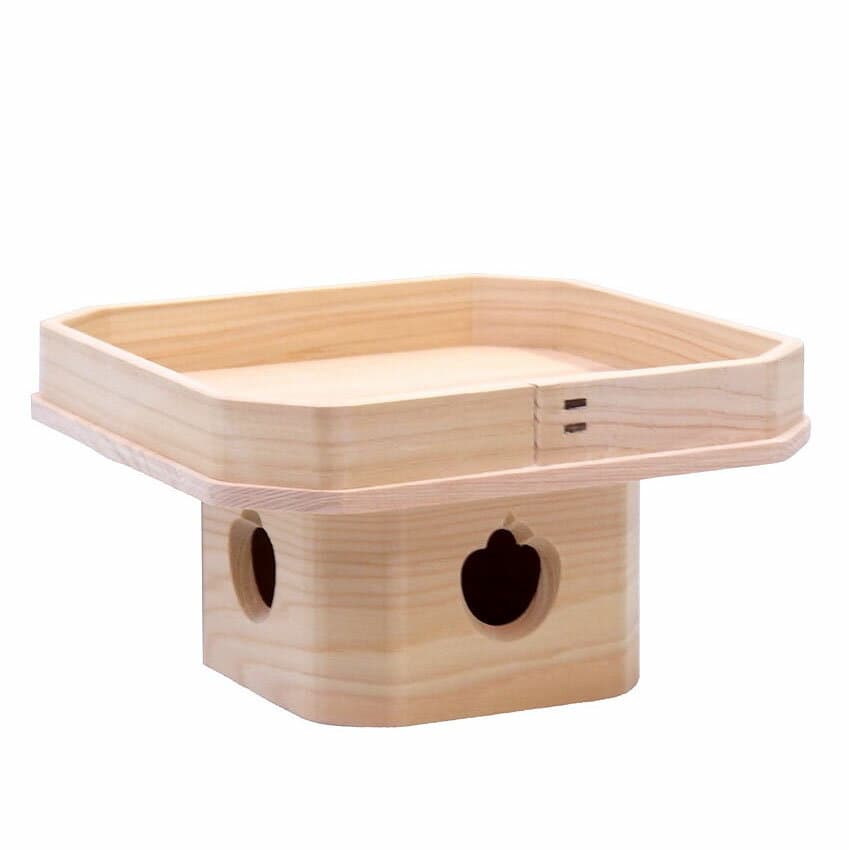
【楽天1位】 特製品 遠山 三宝 (三方) 8寸 (巾約25・高13センチ) 国産 ひのき 東濃桧 材の 神具 遠山三宝 神棚 祖霊舎 霊璽 の 御供 に!/神棚 仏具用品 棚板 楽天 通販
8 sun (approx. 25 cm wide, 13 cm high)仏壇 仏具 神棚のハセガワ仏壇
First time buying on Rakuten? How residents in Japan order →
In Gifu Prefecture’s Tono area, Tono Hinoki begins as hinoki logs and continues as processed hinoki lumber. The wood is tied to weakly acidic soil and large temperature differences, and it is described through straight, near-round logs, dense annual rings, pink gloss, few or small knots, clear fragrance, and resilient grain. For wooden buildings, those traits are not vague local atmosphere; they are visible in posts, lintels, thresholds, and the calm surface of finished timber.
Tono Hinoki refers to hinoki round logs and processed hinoki lumber from the Tono area of Gifu Prefecture. In log markets, Tono-area round logs around 50 years old or older came to be called Tono Hinoki or Tono hinoki, placing the name inside the long growth of the forest. The area’s weakly acidic soil and wide temperature differences are linked with straight form, roundness, dense annual rings, and a pink glossy color, so the place is read through the wood’s shape and surface.
The remembered face of Tono Hinoki is its pink-toned gloss and tight annual rings. The wood is described as having no knots or only small, few knots, a good fragrance, and resilience; in a room, those features become quieter post faces, the scent of hinoki, and timber that carries strength into use. Material background adds that the rings can appear evenly spaced at about 2 to 3 millimeters and that gloss may increase with age; those details help describe the material and sensory experience without widening the family’s defined place boundary.
The name Tono Hinoki began circulating widely for hinoki pillar products around 1963. Around 1967, lumber marked with the production area was shipped to the Nagoya and Tokyo markets, where it started to be recognized as a sawmill brand. That movement places the name between mountain timber, pillar lumber, and urban building demand. The printed place name helped users far from the forest read the Tono area into the material itself.
The making of Tono Hinoki centers on rough sawing, artificial or natural drying, and finish sawing, a two-stage sawing sequence. The timber is first opened by the saw, then dried, then cut again into building members such as posts, kamoi lintels, and thresholds; the process is used to produce glossy members with less warping. Material background also explains that cutting again after drying and removing unsuitable pieces improves dimensional precision. The finished surface is therefore shaped by both forest growth and the order of work in the mill.
Present-day Tono Hinoki sits within a Gifu timber network that includes the Gifu Prefecture Wood Cooperative Federation, the Gifu Tono Hinoki Quality Management Center, the Gifu direct-housing association, member cooperatives, supporting members, and JAS-certified sawmills in the prefecture. Their work includes coordinating JAS lumber demand and supply, gathering information, supporting registration, and using Morinku for supply-chain matching. These activities do not change the rings, color, or scent of the wood, but they show how many hands stand between a mountain log and a building member.
Tono Hinoki is connected directly with posts, kamoi lintels, and thresholds in wooden buildings. Posts depend on straightness and dimensional stability, while lintels and thresholds sit close to door and window openings, where color, grain, and finish remain visible. The pink gloss, few knots, and fragrance become details people can see and sense indoors. Material background also places the wood mainly in building use and mentions surrounding-area school buildings that use Tono Hinoki for exterior and interior work, a use example that shows the timber in public spaces as well as homes.
Tono Hinoki is held together by Gifu’s Tono area, hinoki growth, weakly acidic soil, large temperature differences, dense rings, and the mill sequence from rough sawing to finish sawing. Its name traveled with pillar lumber to Nagoya and Tokyo markets, and today Gifu cooperatives, a quality management center, and certified sawmills sit around the timber supply chain. In a finished post, the pink gloss is not decoration alone; it carries the order of mountain growth, drying, and final cutting into the building.
Compiled from public records and official sources; see the recognition links below. Details may change over time.
Where this product is officially registered, designated, or recognized in Japan.
Regional collective trademark
Registered as a Regional Collective Trademark with the Japan Patent Office.
Sources1
It is written as 東濃桧 in Japanese. Search Rakuten and other Japanese sites with that spelling — the English name will not bring up the listings.
Tono Hinoki is the name for hinoki logs and processed hinoki lumber from Gifu Prefecture's Tono area. The wood is straight, dense-ringed, pink-glossy, fragrant, and resilient. After rough sawing, drying, and finish sawing, it is used for building members such as posts, kamoi lintels, and thresholds.
Weakly acidic soil and large temperature differences in the Tono area are linked with straightness, roundness, dense rings, and pink glossy color. The Tono Hinoki process includes rough sawing, artificial or natural drying, and finish sawing. The name circulated for hinoki pillar products around 1963, and production-area-marked lumber reached Nagoya and Tokyo markets around 1967. Gifu timber coordination involves the Gifu Prefecture Wood Cooperative Federation, the Gifu Tono Hinoki Quality Management Center, housing-related groups, and JAS-certified sawmills.
The two-stage sawing and drying process is intended to reduce warping and enhance gloss, supporting use in architectural lumber that requires straightness and dimensional stability. Its fragrance, pink tone, and dense grain make it a reference material for interior-facing wood applications where scent and visible grain matter. According to a supporting source, Tono Hinoki is mainly used in construction, and schools in nearby areas have used it for exterior and interior work.
Keep craft pieces out of direct sunlight, damp, and sharp temperature swings, and store them where they won't knock against anything. Wood, bamboo, lacquer, and paper don't tolerate water — wipe any moisture off immediately. Specific care notes are on the listing.
Most options are shelf-stable, boxed, and travel well, so they suit gifting or bringing home. Confirm the final storage and delivery terms on the Rakuten listing.
On Rakuten: the shops listed here right now are 神棚・神具・仏具 やまこう, 仏壇 仏具 神棚のハセガワ仏壇. We don't sell directly; purchase, payment, stock, and delivery are all handled on the Rakuten product page.