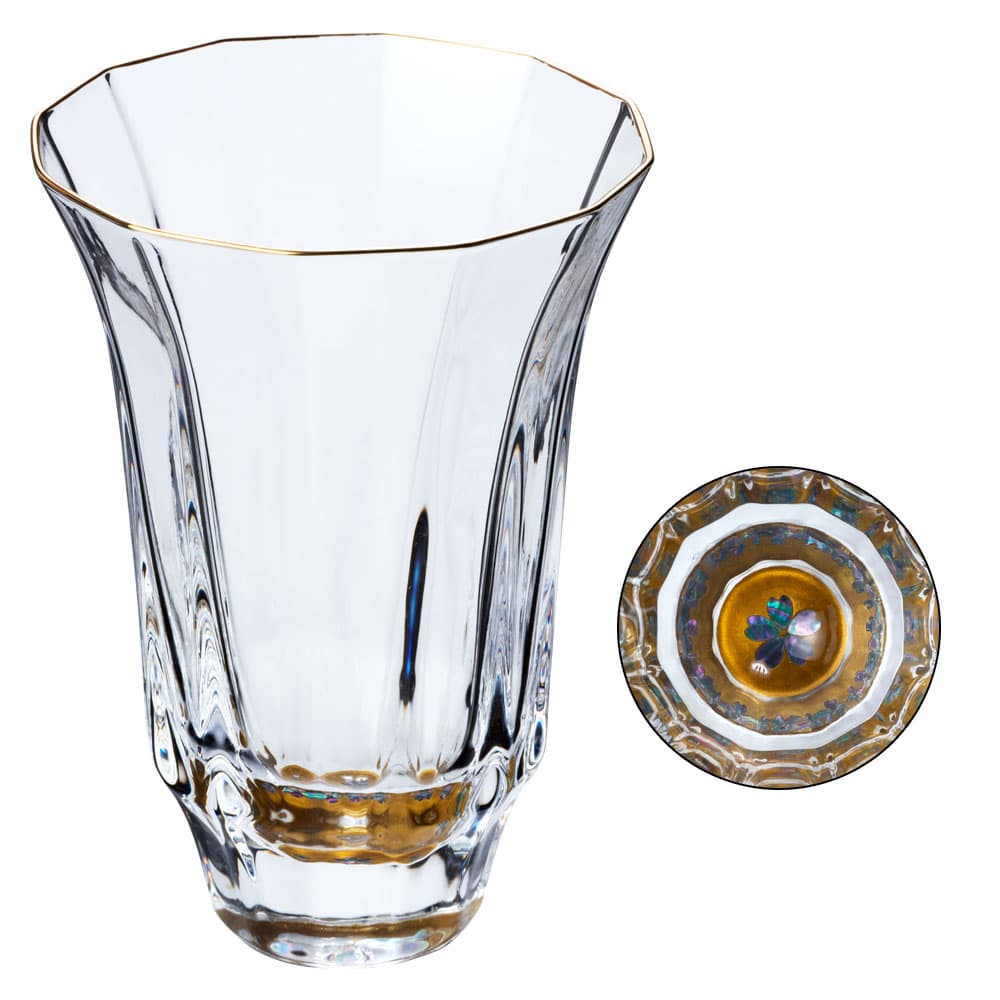
Takaoka Lacquerware Raden Glass with Mt. Fuji and Cherry Blossoms
【名入れ可】【螺鈿グラス 桐箱入り コースター付き】 215ml 高岡漆器 伝統工芸品 天野漆器 富士山 桜 縁起 お酒 誕生日 長寿祝い 還暦祝い 古希 喜寿 米寿 退職祝い 定年退職 敬老の日 父の日 成人祝い 男性 60代 70代 80代 名前入り 実用的 かっこいい おしゃれ ギフト
1to1ギフト ハッピースマイル
5.0 / 5 reviews
Japanese name高岡漆器
In Toyama Prefecture’s Takaoka City, lacquerware grew from castle-town work on armor-related goods, chests, trays, and furniture into trays, boxes, room objects, and aogai-nuri surfaces where thin shell glows blue over dark lacquer.
Information last updated 5 days ago
Ordering from abroad works when the recipient has a Japanese address.
2 of the 5 listings below are sold as gifts in the shop's own wording (ギフト, のし対応 …), marked “Gift-ready”.
【名入れ可】【螺鈿グラス 桐箱入り コースター付き】 215ml 高岡漆器 伝統工芸品 天野漆器 富士山 桜 縁起 お酒 誕生日 長寿祝い 還暦祝い 古希 喜寿 米寿 退職祝い 定年退職 敬老の日 父の日 成人祝い 男性 60代 70代 80代 名前入り 実用的 かっこいい おしゃれ ギフト
1to1ギフト ハッピースマイル
5.0 / 5 reviews
高岡漆器 螺鈿硝子 金杯(万華鏡) 桜・ゴールド 容量60ml 日本酒 冷酒グラス 漆塗りガラス 化粧箱入り 富山県伝統工芸品
こだわりの和雑貨 和敬静寂
5.0 / 1 reviews
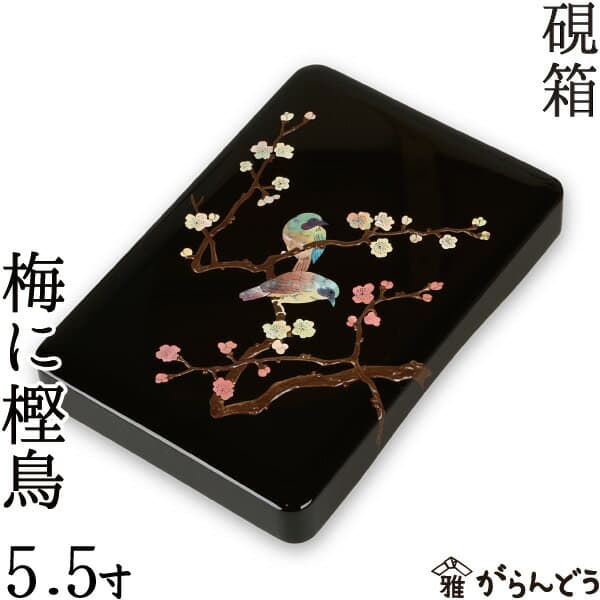
硯箱 すずり箱 螺鈿(らでん) 梅に樫鳥5.5寸 高岡漆器
がらんどう
5.0 / 4 reviews
箸 螺鈿 貝時雨 うるし箸 うるし塗箸 高岡漆器 あわび貝 2本セット(黒と赤)
和柄 雑貨販売 四季彩の店 一新堂
5.0 / 1 reviews
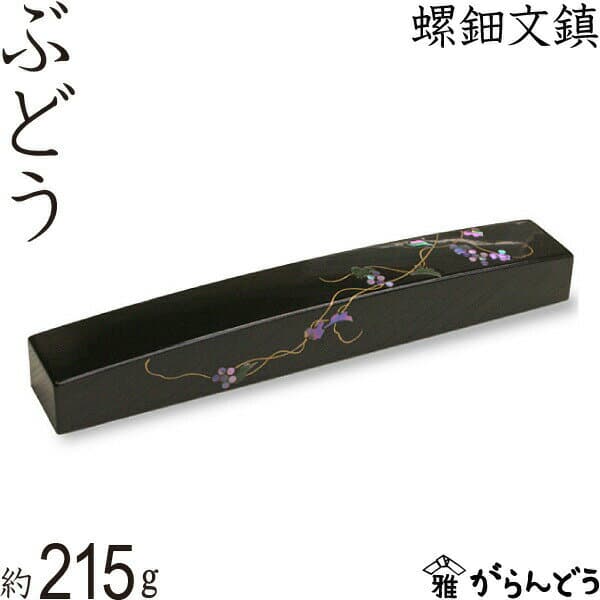
文鎮 書鎮 ペーパーウエイト 螺鈿 ぶどう 高岡漆器
がらんどう
4.9 / 32 reviews
First time buying on Rakuten? How residents in Japan order →
All 5 listings of this product on Rakuten, lowest price first.
| Listing | Price | Shop | Reviews | Open listing |
|---|---|---|---|---|
Takaoka Lacquerware Raden Abalone Shell Lacquered Chopsticks Black and red 2-piece set, 23 cm and 21 cmLowest price | ¥3,287 | 和柄 雑貨販売 四季彩の店 一新堂 | 5.0 / 1 reviews | View on Rakuten → |
Takaoka Lacquerware Grape Raden Paperweight grape motifMost reviewed | ¥9,240 | がらんどう | 4.9 / 32 reviews | View on Rakuten → |
Takaoka Lacquerware Raden Glass Sake Cup Kaleidoscope Sakura Gold, 60mlGift-ready | ¥9,900 | こだわりの和雑貨 和敬静寂 | 5.0 / 1 reviews | View on Rakuten → |
Takaoka Lacquerware Raden Glass with Mt. Fuji and Cherry Blossoms 215ml, paulownia box with coasterGift-ready | ¥14,080 | 1to1ギフト ハッピースマイル | 5.0 / 5 reviews | View on Rakuten → |
Takaoka Lacquerware Raden Inkstone Box, Plum and Kashidori Bird 5.5 sun | ¥36,300 | がらんどう | 5.0 / 4 reviews | View on Rakuten → |
Japanese · new tab
Takaoka lacquerware begins with a place name: Takaoka City in Toyama Prefecture. In the early Edo period, after Takaoka Castle was built, craftspeople made armor-related goods, chests, trays, and other daily objects; lacquered furniture in the castle town is also part of the craft’s starting point. On a tray, document box, or small vessel, the surface brings together a wooden body, natural lacquer, carving, and shell cut thin enough to catch light.
The early shape of Takaoka lacquerware is tied to practical work in the castle town. Maeda Toshinaga built Takaoka Castle in what is now Takaoka City, and the town drew merchants and craftspeople who made armor-related items, chests, trays, and other daily goods. The same lineage includes lacquer work on furniture, so the craft’s first scene is a room with wood, lacquer, storage furniture, and meal trays.
The main forms are trays, box goods, and interior furnishings. Within those forms are confectionery trays, document boxes, compact boxes, and decorative boxes, each giving lacquer a different scale: a flat surface for serving, a lidded space for papers, or a small object handled at a table. In Takaoka, some elementary schools use Takaoka lacquerware trays for lunch, placing lacquered wood directly in a child’s midday routine.
Takaoka lacquerware is often understood through three named techniques: chokoku-nuri, Yusuke-nuri, and aogai-nuri. Chokoku-nuri builds relief by carving the wooden body and applying red or three-or-more colors of refined lacquer. Yusuke-nuri combines decorative methods such as stone setting, sabi-e painting, and foil painting. Aogai-nuri sets shell into the lacquer surface and finishes it with roiro polishing, giving the dark ground small flashes of shell.
Aogai-nuri rewards close looking because its blue glow comes from a very thin material. The work moves from wooden body preparation and ground coating to design drawing, shell cutting, shell attachment with lacquer, fine line engraving, overcoating, polishing, and repeated wiped lacquer. Shells such as abalone, yakogai, white-lip shell, black-lip shell, and Mexican abalone may be used; when a piece is cut to about 0.1 millimeter and placed over black lacquer, the shell can appear blue.
The work is divided by object, shell, and lacquer. A kijishi makes wooden bodies for boxes and vessels; an aogai craftsperson cuts and attaches shell; a nurishi handles lower and upper lacquer coats. The materials are specific: the lacquer is natural lacquer, and the wooden body may be katsura, tochi, ho, hiba, or wood with comparable qualities.
Current Takaoka lacquerware also appears at the scale of accessories, cups, trays, and vessels. Uehara Chihiro works at Shibata Shikkiten in Takaoka and uses aogai-nuri and chokoku-nuri in her pieces. Shiba Sayuri works with bamboo cups, trays that make use of leftover wood, and wiped lacquer, showing how individual makers carry Takaoka techniques into objects held at a table or worn near the body.
Seen up close, Takaoka lacquerware is a chain of concrete choices: Takaoka City, a wooden body, natural lacquer, carving, shell, polishing, and use. Its range now runs from trays, boxes, and room furnishings to lunch trays, document boxes, accessories, and bamboo cups, keeping the craft close to hands, meals, rooms, and the dark shine of lacquer.
Compiled from public records and official sources; see the recognition links below. Details may change over time.
Where this product is officially registered, designated, or recognized in Japan.
It is written as 高岡漆器 in Japanese. Search Rakuten and other Japanese sites with that spelling — the English name will not bring up the listings.
Takaoka lacquerware is a lacquerware family from Takaoka City, Toyama Prefecture. Its beginning is tied to early Edo castle-town work on armor-related goods, chests, trays, and lacquered furniture. Its representative techniques include chokoku-nuri, Yusuke-nuri, and aogai-nuri; in aogai-nuri, shell cut to about 0.1 millimeter is attached, coated, and polished so it can glow blue over black lacquer. Current forms include trays, boxes, room furnishings, school lunch trays, accessories, cups, and vessels.
Toyama Prefecture counts Takaoka lacquerware among six nationally designated traditional crafts in the prefecture. The material uses natural lacquer, with wooden bodies made from katsura, tochi, ho, hiba, or comparable woods. The work is divided among kijishi, aogai craftspeople, and nurishi, who handle the wood body, shell attachment, and lacquer coating.
Visitors can decorate original patterns using raden (shell inlay) and maki-e (sprinkled lacquer) techniques, including sprinkling metallic powder over a drawn design, as part of hands-on experiences. Some elementary schools in Takaoka use Takaoka lacquerware trays for school lunches, so children can become familiar with lacquerware from a young age. Takaoka lacquerware is also used as a gift and commemorative item, appreciated for its smooth gloss and decorative finish.
Porous earthenware is usually given a "medome" treatment first — simmer it gently in rice-rinsing water (or water with a little flour), then cool, rinse, and air-dry. This reduces staining and odour absorption. Porcelain normally just needs a wash. Follow the listing where it says otherwise.
Handmade earthenware, pieces with gold or silver overglaze, and lacquerware generally should not go in a dishwasher, microwave, or heated drying cabinet; heat-resistant porcelain usually can. Check the Rakuten listing for the specific piece.
Most options are shelf-stable, boxed, and travel well, so they suit gifting or bringing home. Confirm the final storage and delivery terms on the Rakuten listing.
On Rakuten: the shops listed here right now are 1to1ギフト ハッピースマイル, こだわりの和雑貨 和敬静寂, がらんどう, 和柄 雑貨販売 四季彩の店 一新堂. We don't sell directly; purchase, payment, stock, and delivery are all handled on the Rakuten product page.