Ochugen, Japan's Midsummer Gift Season: An Etiquette and Buying Guide for Foreign Residents
Ochugen is a midsummer thank-you gift: early-to-mid July in eastern Japan, with 3,000–5,000 yen the usual range.
What ochugen really sends: the relationship, not the object
Ochugen is one of Japan's two fixed seasonal thank-yous (the other is oseibo at year-end), aimed at people who genuinely look after you: key clients, a mentor or someone who vouched for you, your spouse's parents. It is not a gift exchange — it flows one way, expects nothing back, and says simply: I remember your care.
One caution about the workplace: many Japanese companies now discourage or outright ban internal gifting between ranks. Before sending to a colleague or boss, check how your company handles it — checking is itself part of the etiquette.
Timing: follow the recipient's region — and there is a recovery path
Timing follows the recipient's region. Eastern Japan (Kanto) runs roughly July 1–15; the Kansai and western tradition stretches from mid-July to August 15, though the whole country has drifted earlier — landing within July is the safe play.
Missing the window is recoverable. Until risshu (around August 7), relabel the gift shochu-mimai, a midsummer greeting; from risshu to the end of August, zansho-mimai, a late-summer one. The contents stay the same — only the wording on the noshi paper changes, which online shops let you pick at checkout.
What to send, and the going budget
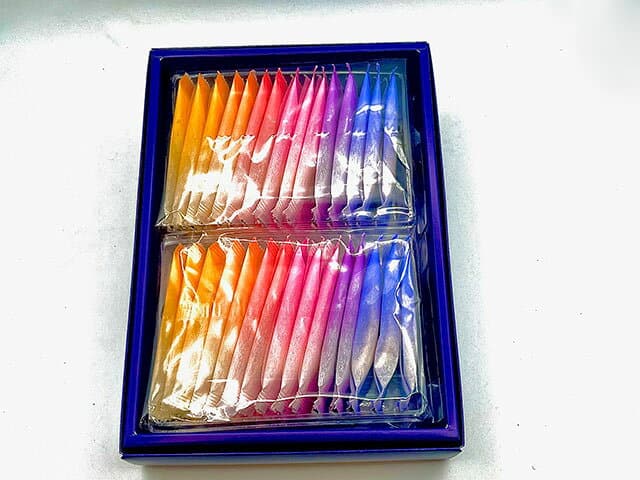
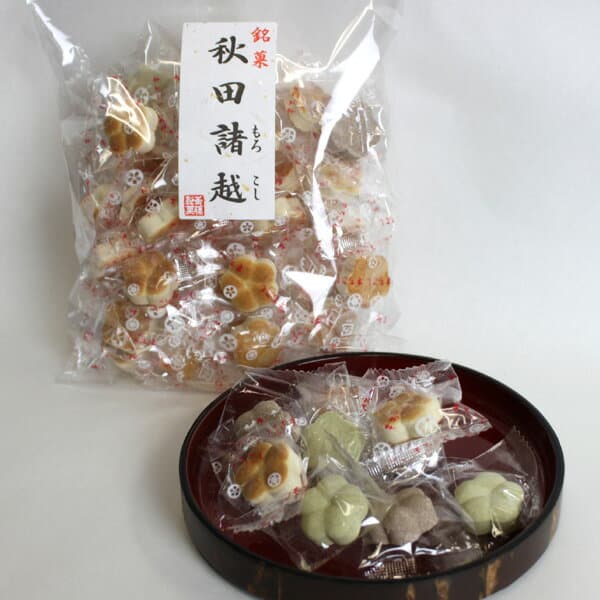
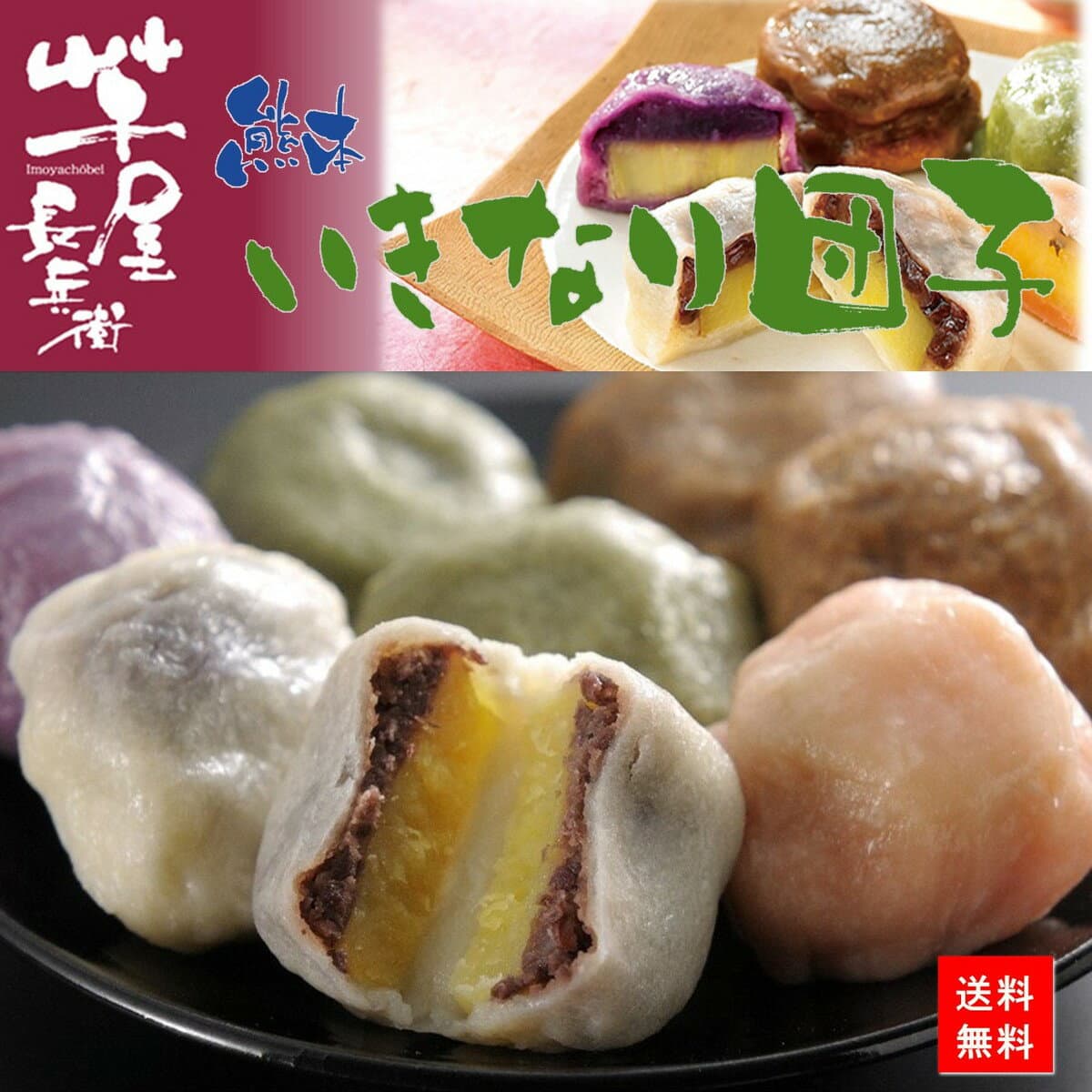
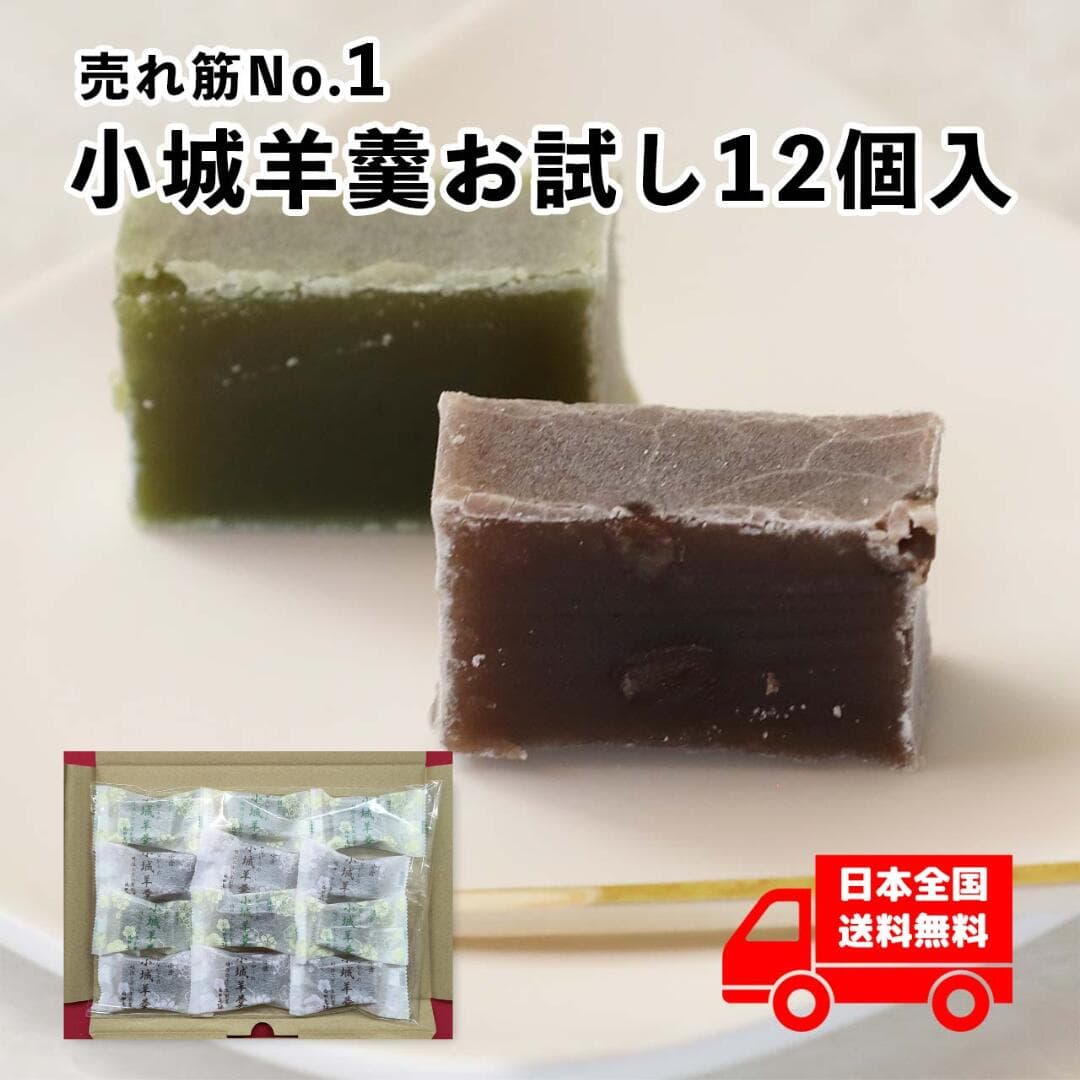
The going rate is 3,000–5,000 yen per gift; up to 10,000 for someone pivotal, but overshooting creates obligation rather than warmth. The rule matches all Japanese gifting: consumables that get used up — shelf-stable, well-boxed, ideally shareable. Summer classics are mizu-yokan and jellies, regional juices, somen noodles, and tea.
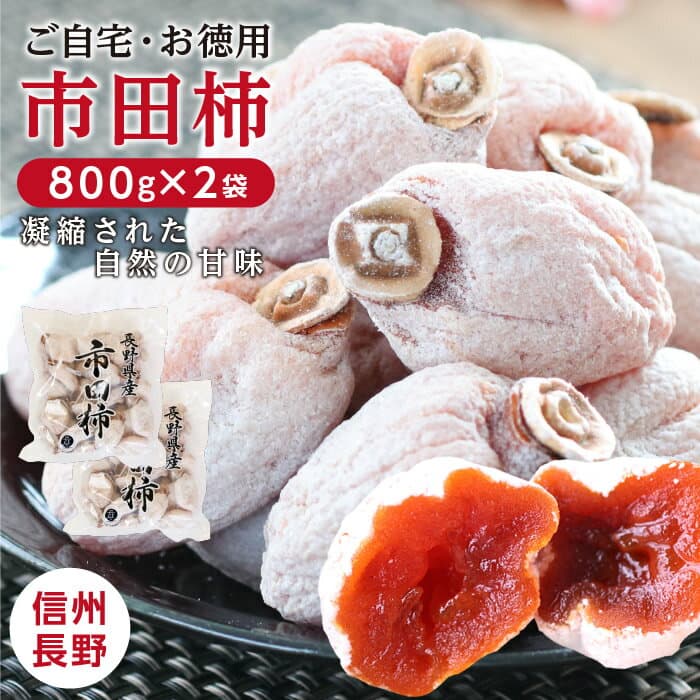
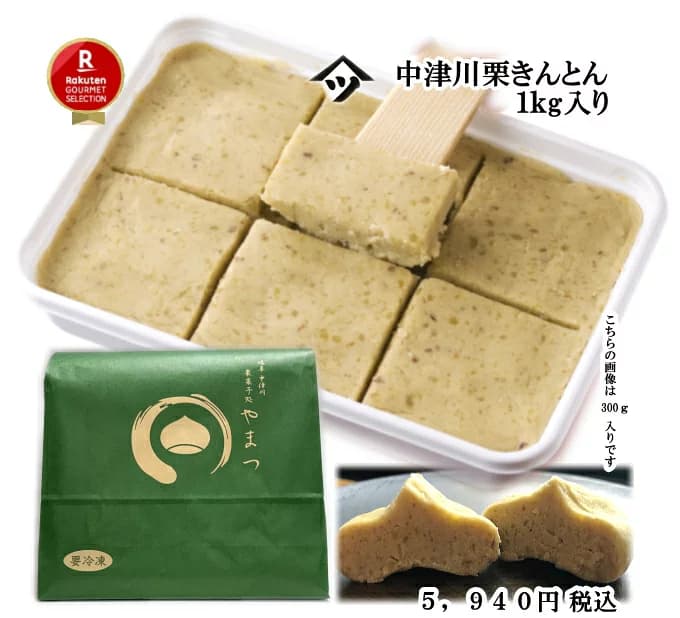
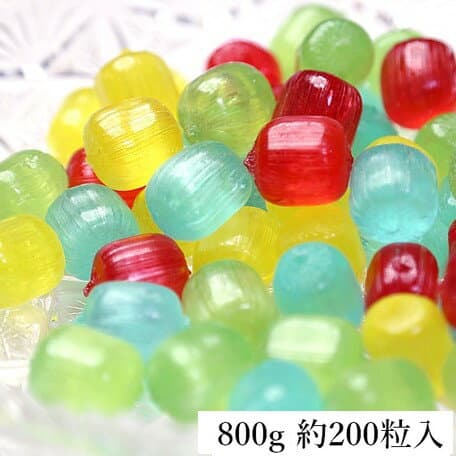
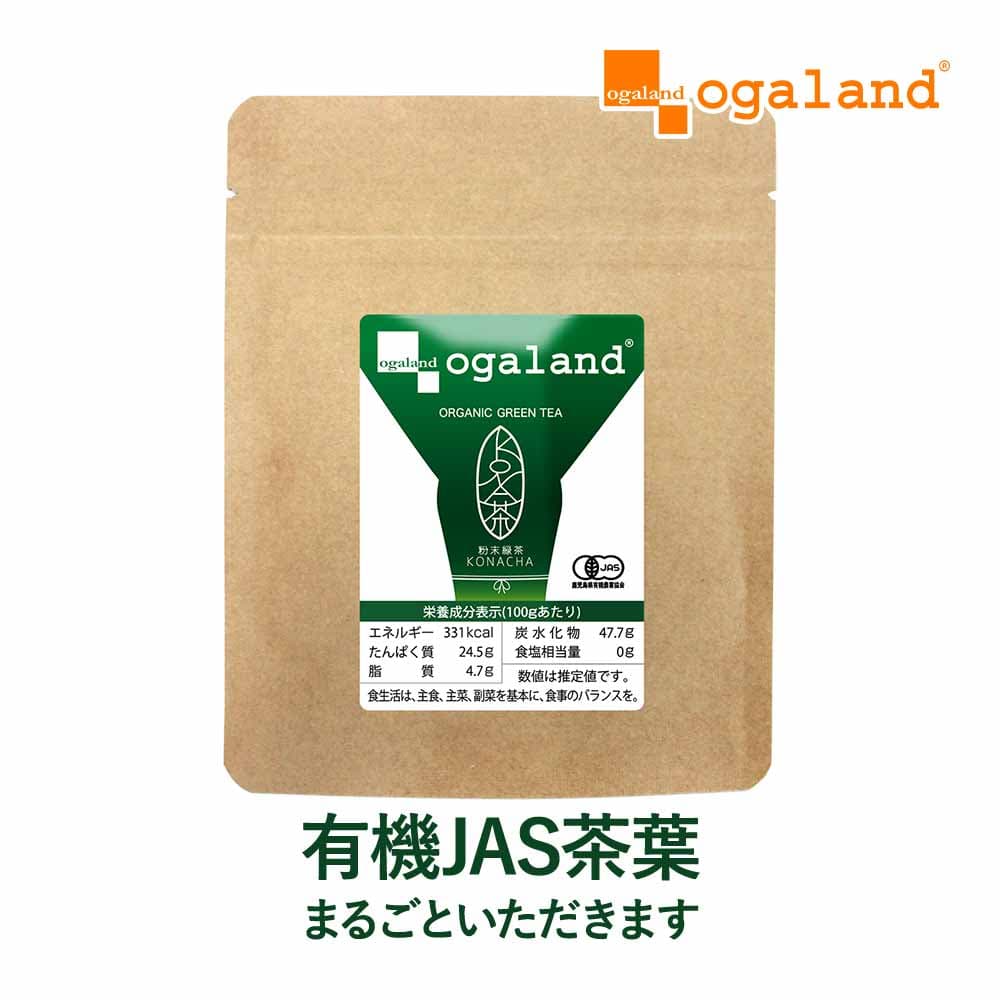
The lowest-friction route is ordering on Rakuten shipped directly to the recipient: tick the noshi option (labelled 御中元), and many shops let you set the sender name and a short card. Below are candidates we pulled from the nationwide catalog against exactly these criteria.


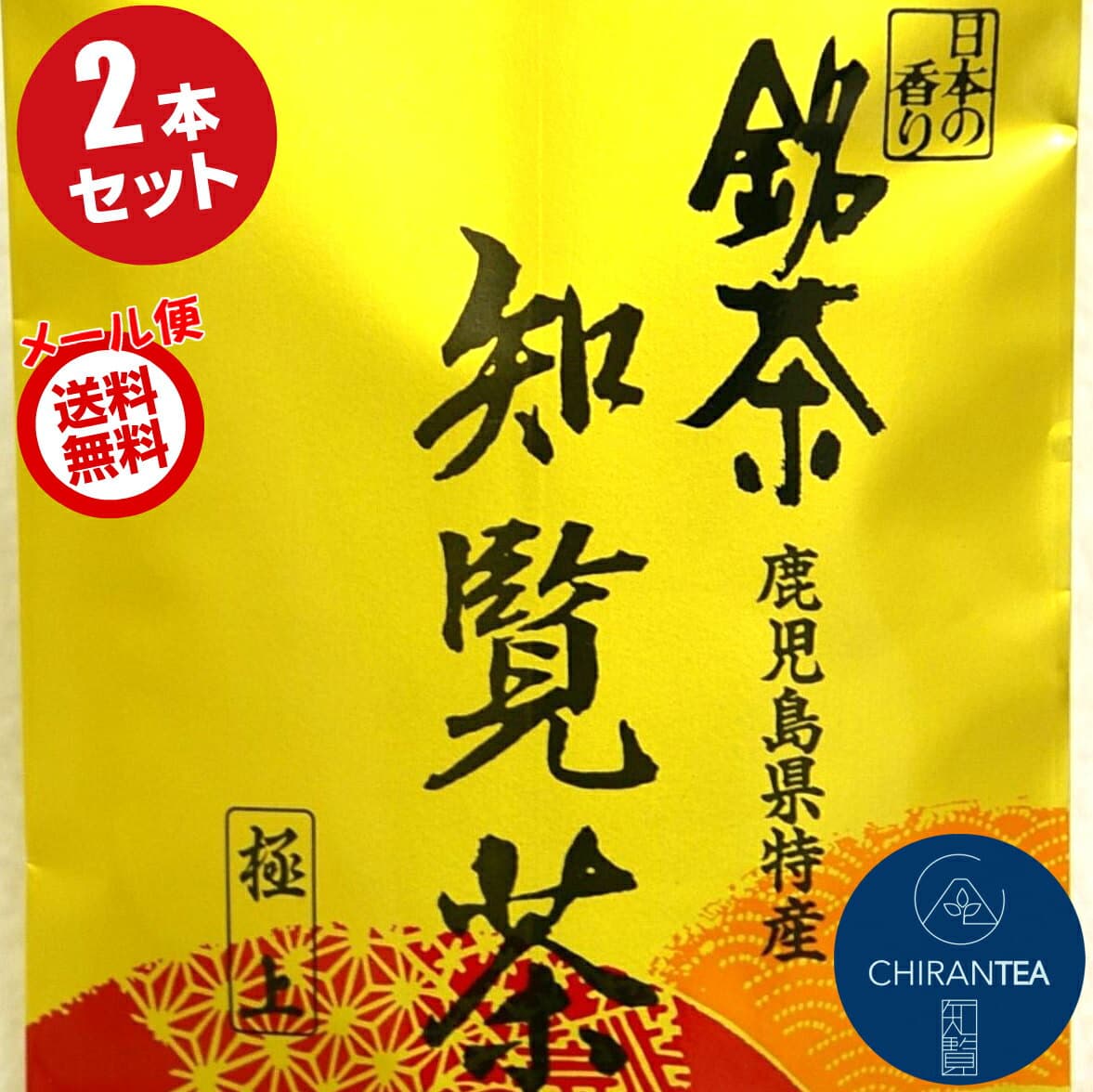
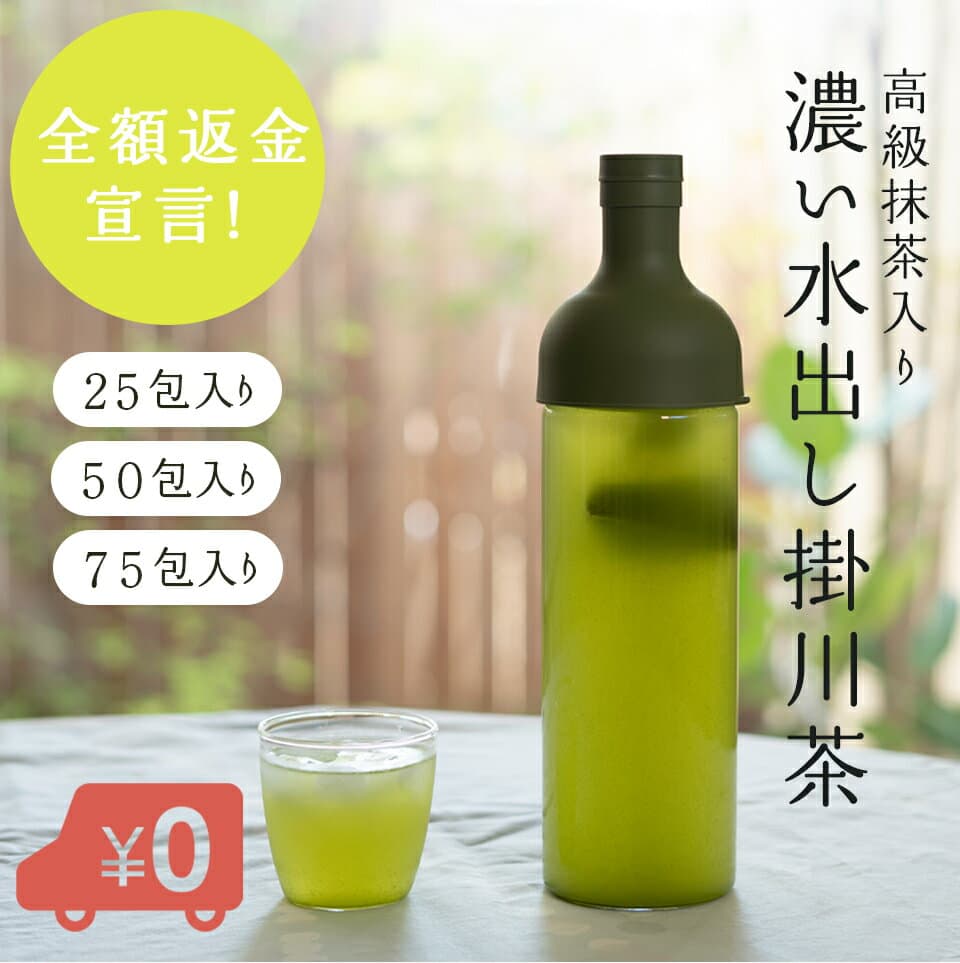
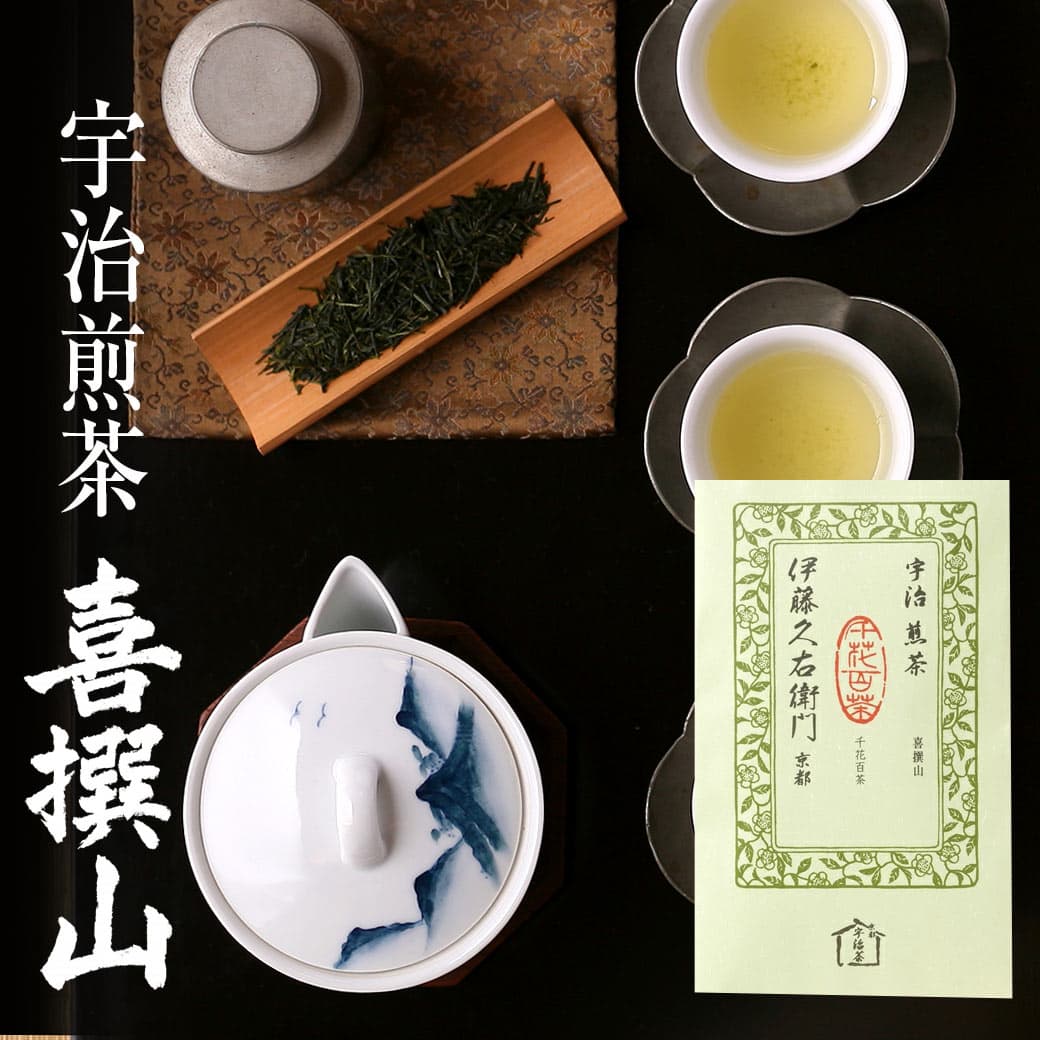
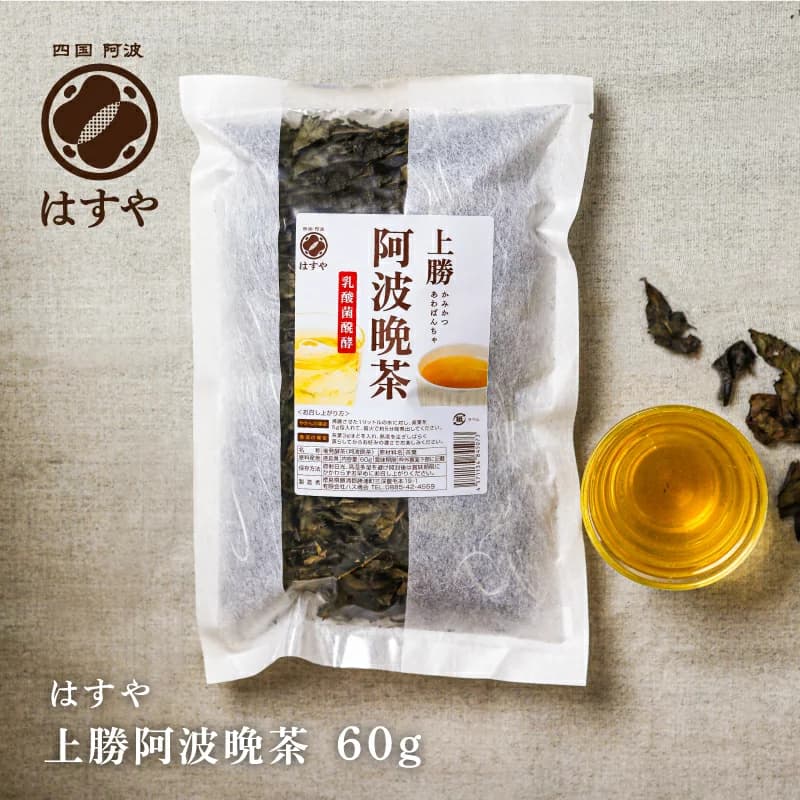
When you receive one
The first move is a prompt thank-you: within a few days, call, message, or send a short thank-you note that names what arrived and that it was enjoyed. A return gift is not required — ochugen is one-directional by design; the real rudeness is silence.
If the sender is someone you also want to honor long-term, you can send your own ochugen back the same season (if the window is still open) or note it and respond at year-end with an oseibo. Match the value of what you received — deliberately outspending reads as awkward, not generous.
The foreign resident's advantage: no obligation, so it reads as intent
Between Japanese people, ochugen can shade into routine — but nobody expects a foreigner to know the custom at all. So the one you send is read at full value: you learned it, and you remembered. Keep the list short: one or two relationships you genuinely want to tend — the landlord who has looked after you, your guarantor, the senior who brought you into your field.
The one rule is sustainability: send this year and you should ideally send next year too. If you cannot promise that, use a one-off gift labelled orei (御礼, a thank-you) instead — the same sincerity, none of the standing obligation.
Continue to prefectures
Related buying guides
FAQ
Do I have to send one to my boss or colleagues?
No — and a growing number of companies discourage or ban internal gifting. Check your workplace's practice first; if there is none, not sending is entirely proper.
The recipient is in Kansai and I am in Tokyo — whose timing applies?
The recipient's. Gifts to western Japan traditionally run until August 15, but timing is drifting earlier nationwide — arriving within July is never wrong.
What if I completely miss summer?
Until the end of August you can send under the zansho-mimai label; after that, let it go and respond at year-end with an oseibo, or send a one-off thank-you (orei) when it feels right.