Lunar New Year Gifts from Japan: Regional Goods That Travel Home, and When to Order
Boxed, shelf-stable regional goods travel best. Lunar New Year 2027 is February 6; order before Japan's year-end pause.
What a Lunar New Year gift says: the place, not the brand
When you go home for the holiday, elders judge a gift less by its price than by whether you thought of them. Japanese regional goods do well here: a box of biscuits from Hokkaido, a tin of tea from Shizuoka or a pack of salt from the Noto coast carries a place name and a story, which gives everyone something to talk about and is remembered longer than a brand everyone already knows. For Taiwanese and Hong Kong families, Japan is familiar and well liked, so you never have to explain what it is, only where it is from.
Two practical conditions come with the season: the gift has to look right, and it has to keep. Gift boxes sit in the living room for a while over the holiday and are sometimes passed on to the next household, so the outer box should be intact and able to stand on its own, and the contents should be shelf-stable with a best-before date that runs at least past the Lantern Festival. Most Japanese regional goods are made to be carried home in the first place: individually wrapped, with a leaflet, sometimes with a map of the region printed on the box, which is exactly what this occasion asks for.
Quantity matters too. A Lunar New Year gift usually goes to a household rather than a person, so a box of sweets that can be shared or a tea that can be brewed for the whole table works better than an object meant for one person. Keep a cup or a small dish for the one elder you particularly want to honor.
What travels well: sweets, tea, seasonings, sealed dried goods, small objects
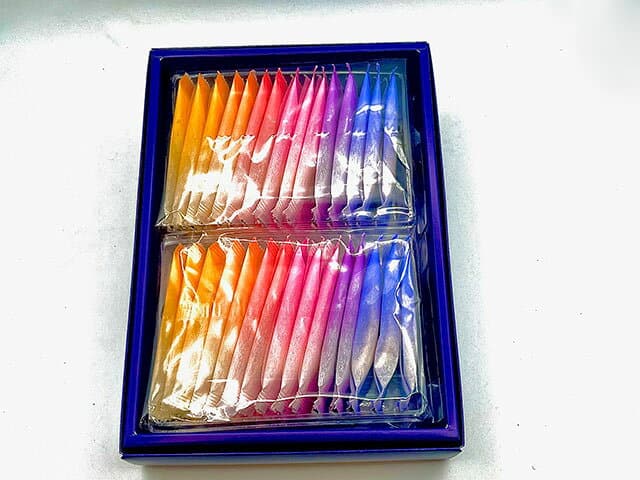
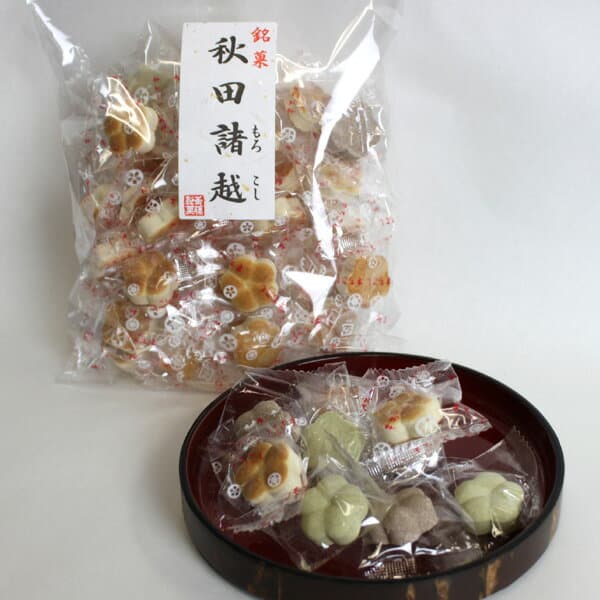
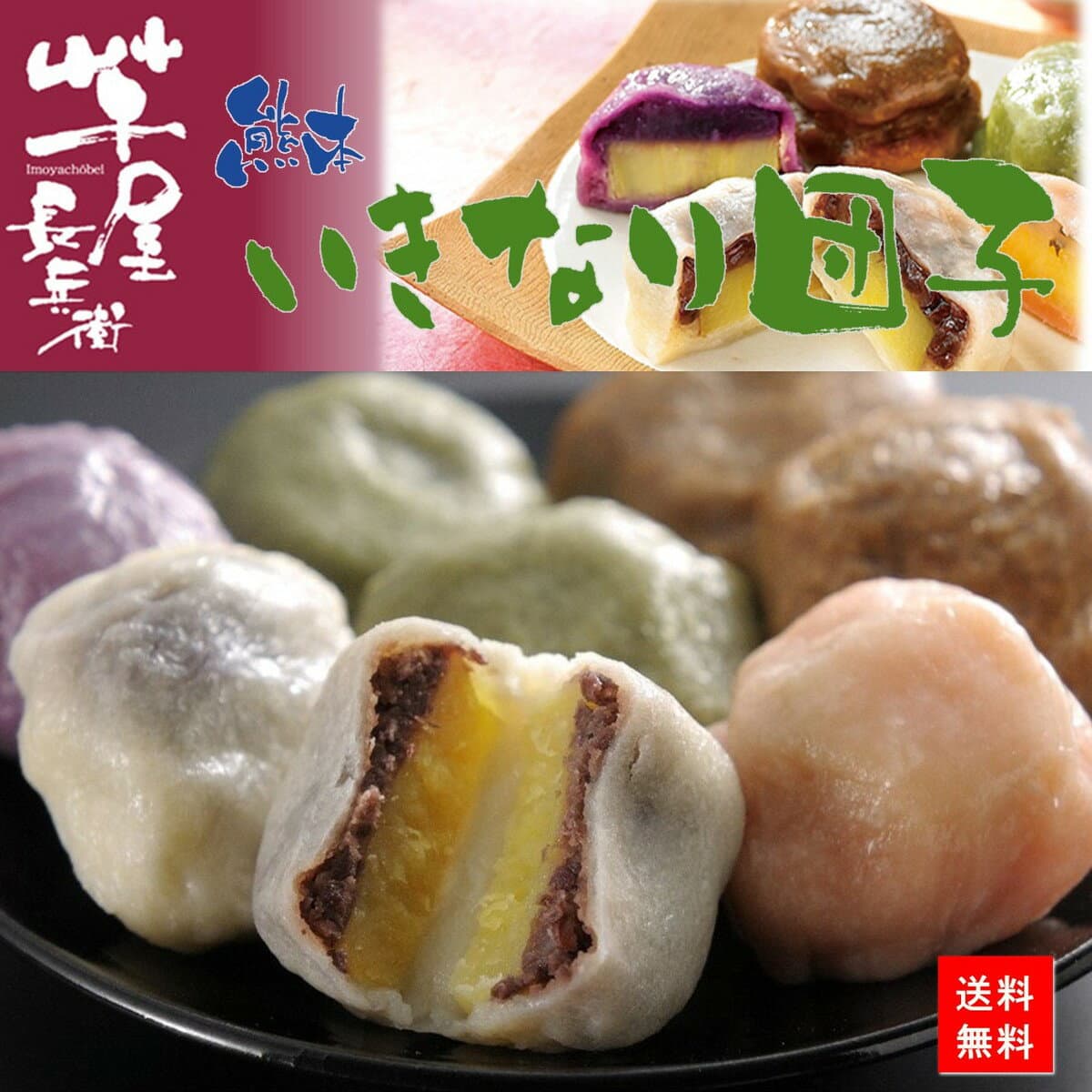
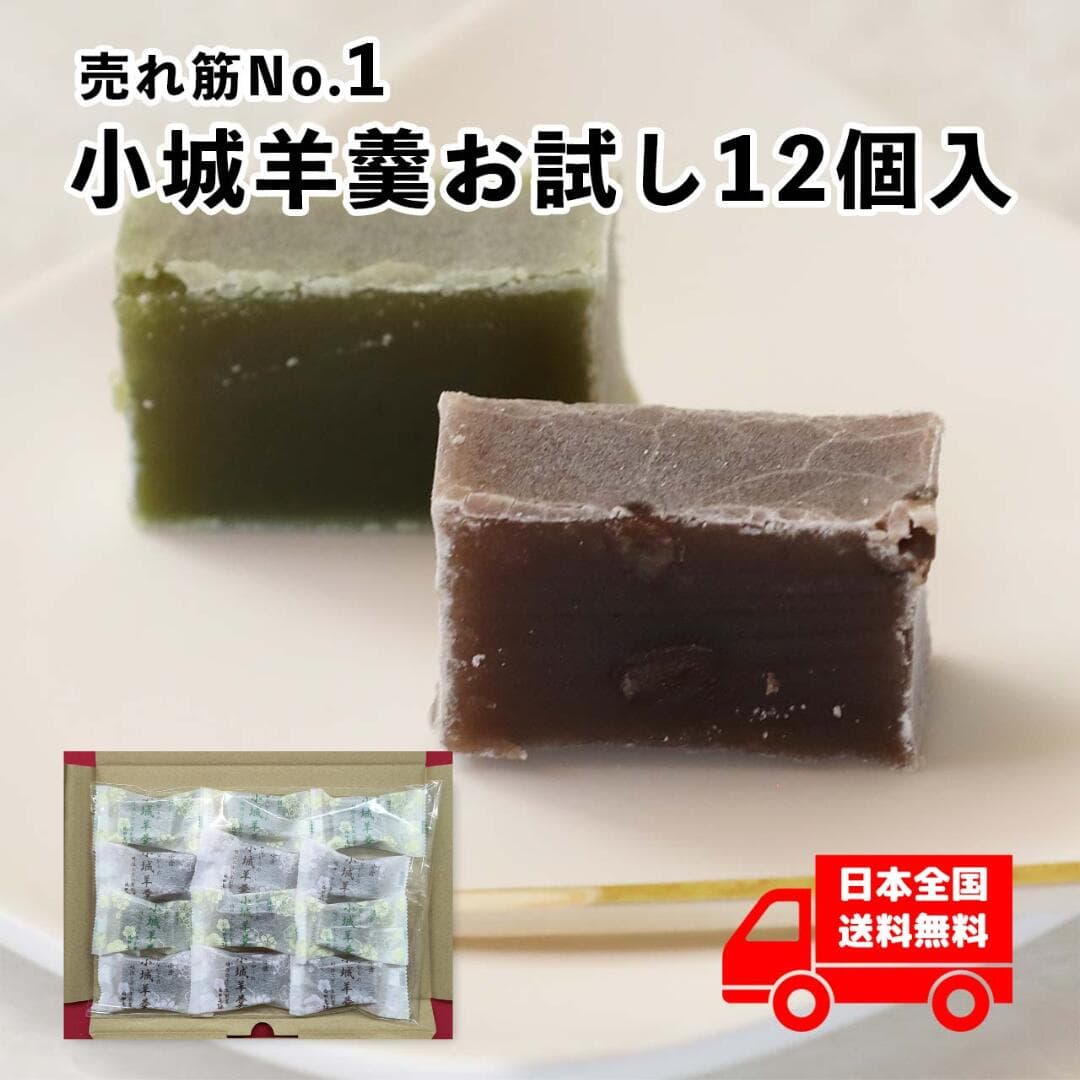
First, boxed sweets that keep at room temperature. Baked biscuits, monaka, yokan and the drier kinds of wagashi survive a flight; look for individual wrapping and a best-before date at least a month out. Fresh wagashi (namagashi), the chilled kind that lasts a few days, should stay in Japan, however beautiful it is. Second, tea. Leaf tea and teabags are sealed, light and hard to damage, and Taiwanese and Hong Kong households already drink tea, so a Japanese tea reads as a different taste rather than a strange object. Roasted hojicha and genmaicha, which are low in astringency, are the easiest for elders to accept.
Third, seasonings: soy sauce, ponzu, sesame, dashi packs, furikake, salt. These are gifts that get used after the holiday and are among the most regional things Japan makes. The drawback is that glass bottles are heavy and fragile, so favor small bottles, sachets or dry forms, and roll any glass in clothing and pack it in the middle of the suitcase. Fourth, dried goods in sealed packs: kombu, dried scallops, small dried fish, nori, dried shiitake. This is the closest to what Taiwanese and Hong Kong families give each other at New Year, since dried goods are a traditional holiday gift, so it needs no explanation. The conditions are vacuum or sealed packaging, room-temperature storage, and confirmation that the destination allows it (see the next section).
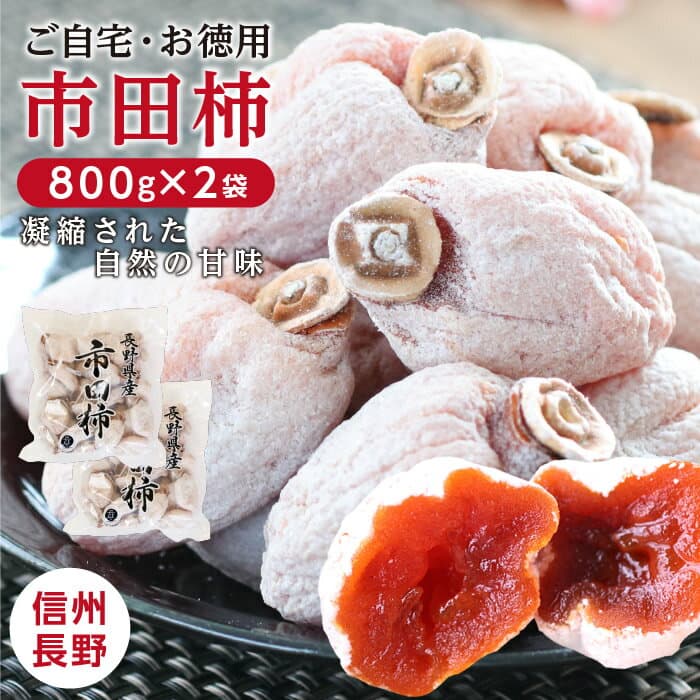
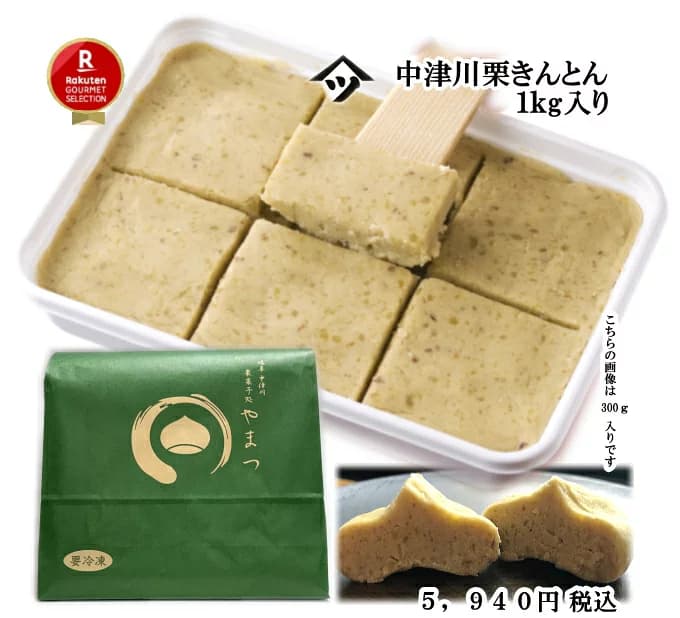
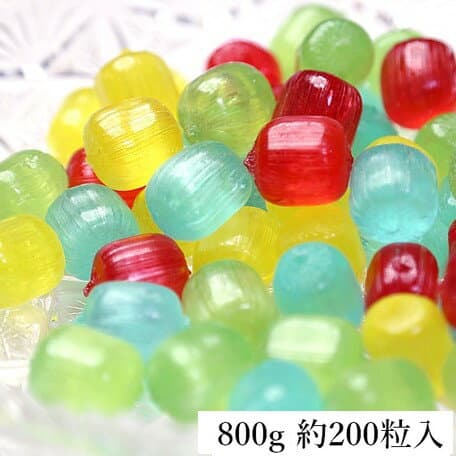
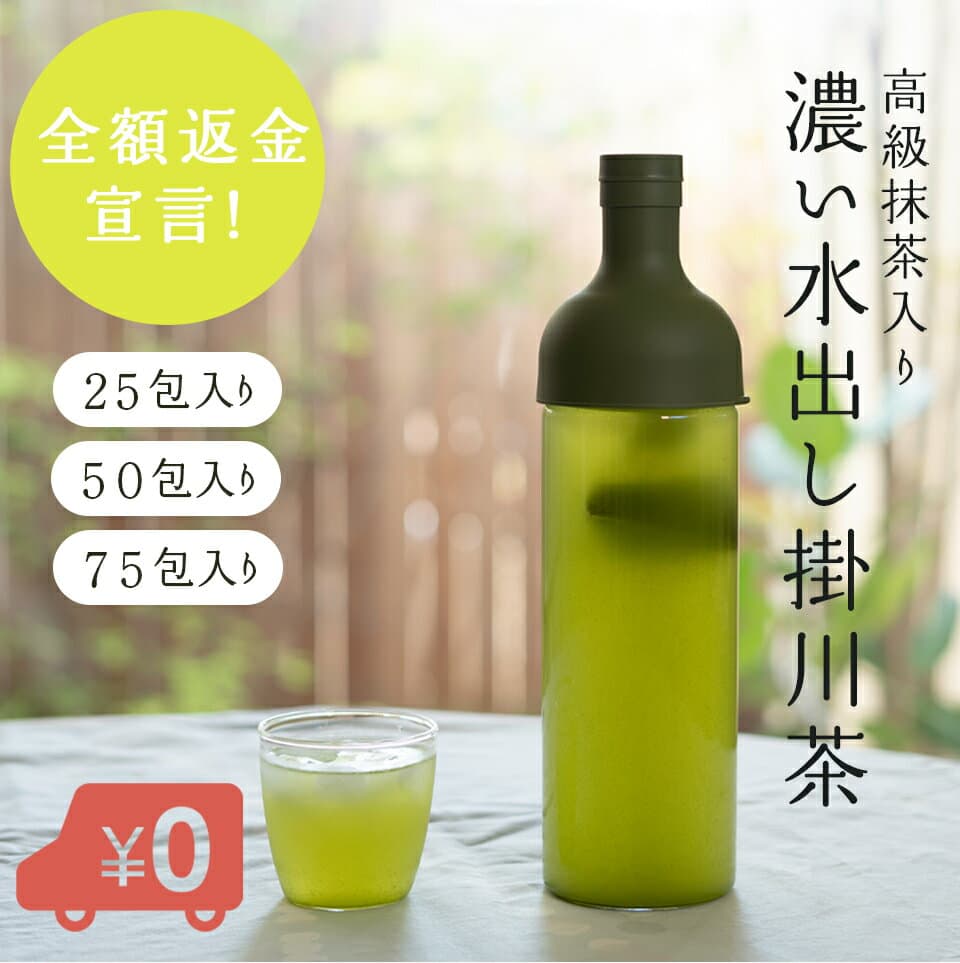
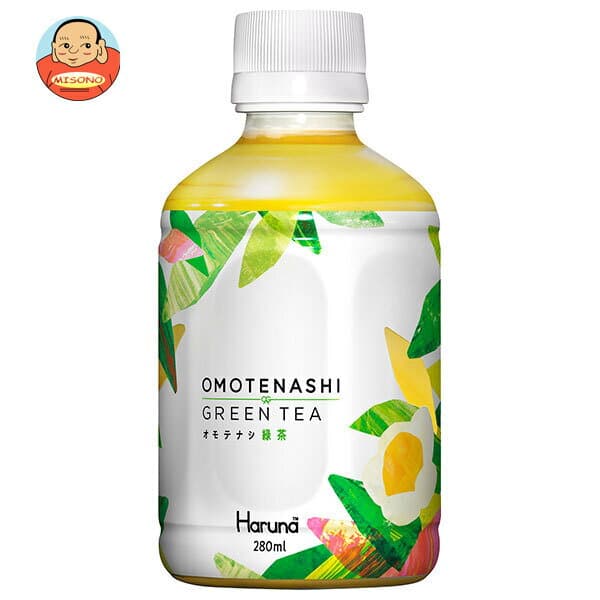
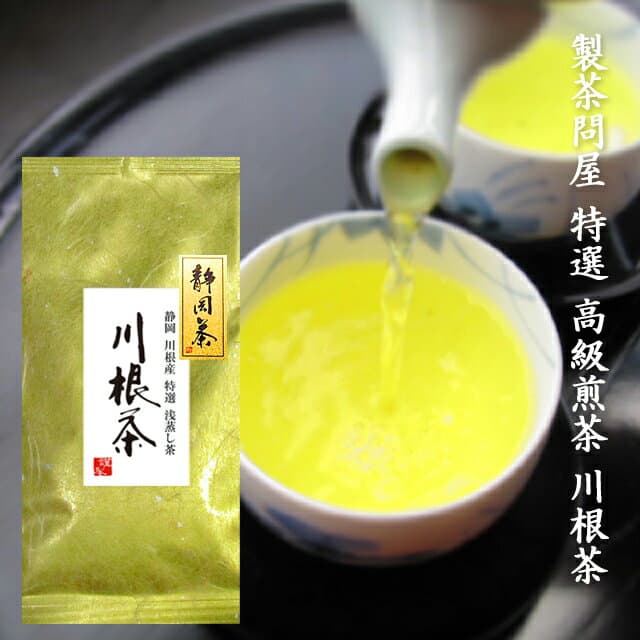
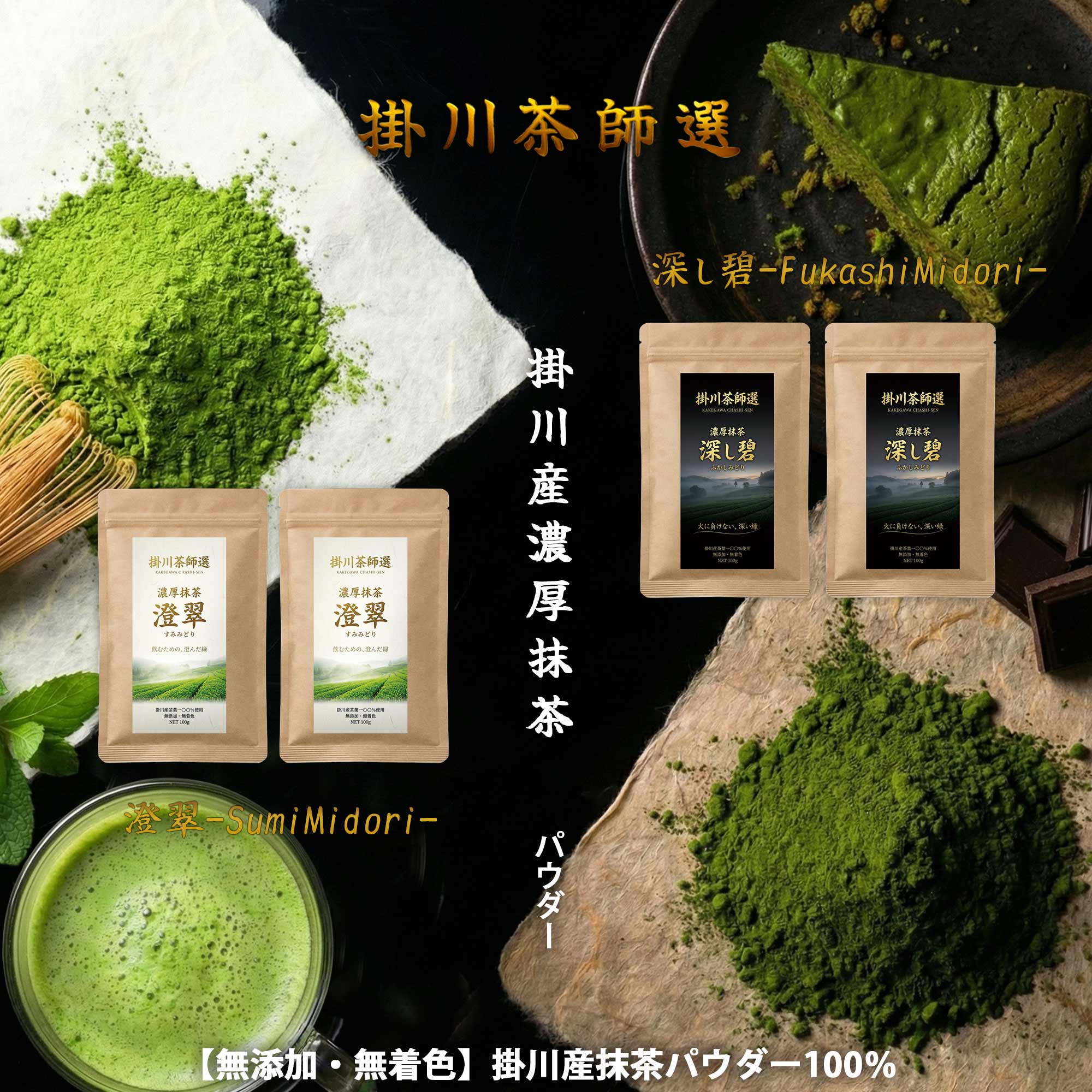
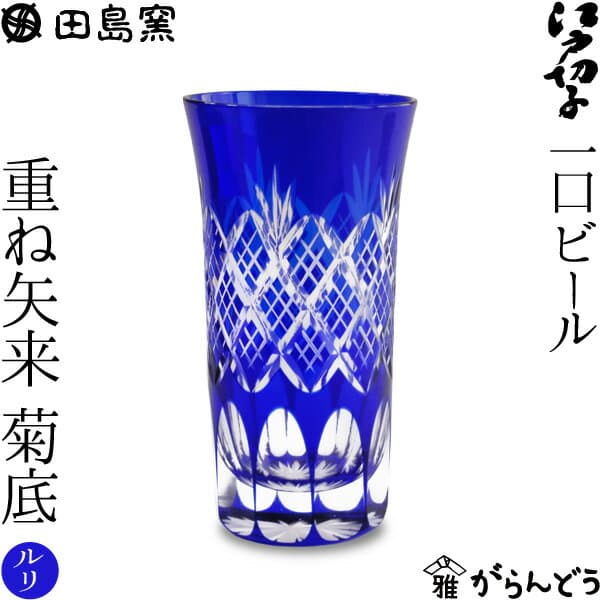
Fifth, small objects: a pair of teacups, a pair of rice bowls, chopsticks, a tenugui or a furoshiki cloth, a small piece of lacquerware. They weigh little and raise no quarantine questions, and a pair matches the holiday habit of giving things in twos. Wrap them in clothing or bubble wrap and pack them in the middle of the suitcase. Below are shelf-stable sweets and teas we pulled from the nationwide catalog that meet these conditions.



What to leave behind: fresh, chilled or frozen food, and anything quarantine might stop
Many of Japan's most famous souvenirs cannot be taken home. Fruit comes first: melons, strawberries and mikan are tempting, but fresh fruit and vegetables cannot be taken into most destinations in luggage, and Taiwan in particular checks arriving bags. Chilled and frozen food comes second: mentaiko, fresh seafood, wagyu and refrigerated cheesecake will not survive a flight in a suitcase, and meat products of any kind, including jerky, ready meals containing meat, and ham, are banned or tightly restricted in many destinations, with heavy penalties in Taiwan. Do not gamble on this category; leave it.
A middle group needs checking: rice, sweets containing egg or dairy, honey, plants and seeds, and seasonings with meat in them such as certain dashi packs or ramen soup bases. Rules change and differ by destination, so the least effort is to look once at the destination's customs or plant and animal quarantine site before you pack, and to treat anything you are unsure about as not allowed.
Two more limits are practical rather than legal. Liquids over 100 ml go in checked baggage, so soy sauce and sake cannot go in the cabin. Large or heavy ceramics and glass break easily in checked luggage, so unless you are confident in your packing, give something small instead. Sake is a classic gift but heavy, liquid and subject to duty-free limits, and it is outside the scope of this piece.
Timing: the year-end shipping pause sits a month before the holiday
Lunar New Year 2027 falls on February 6, with the eve on February 5, and most people travel home in the days before. The complication is Japan's own year-end: from around the end of December to early January, many Rakuten shops stop shipping and carriers are congested, and orders placed during the pause ship in sequence after the shops reopen, sometimes with a further week of delay. Only a little over a month separates Japan's New Year from the Lunar one, so the buffer is thin.
That leaves two windows for ordering. The safest is to order by mid-December so the parcel arrives before the pause, which also keeps you clear of the year-end oseibo shipping peak. If you miss that, order in the first days of January as soon as shops reopen and check the dispatch date on the shop page; every shop posts its year-end closure and dispatch schedule on its storefront. Either way, aim to have everything in hand a week before you fly, leaving time to replace an item or add another.
Count best-before dates from the day of giving, not the day of purchase. For a Lunar New Year gift, the date should run at least past the Lantern Festival (February 20, 2027), and into March to be safe. Most gift listings state the best-before window as a number of days from manufacture; read it before ordering. If you are sending to family in Japan instead of carrying, set the Rakuten delivery address to their home, and watch for the same shop pause.
Red and gold, pairs, and no fours: wrapping and the card
These are habits to keep in mind, not rules. Red and gold wrapping is the most welcome at New Year, and Japanese shops carry red-and-gold or zodiac-themed gift boxes from December into January, which fit the occasion exactly. 2027 is the Year of the Goat, and the Japanese zodiac for the same year is also the goat (hitsuji), the same animal, so a Japanese zodiac ornament or a papier-mache hariko figure lines up perfectly. Pairs and even numbers (two, six, eight) sit better than odd ones, and four is avoided because it sounds like the word for death; a pair of teacups, a pair of rice bowls or two boxes of sweets reads as more thoughtful than a single item.
A few things to avoid: clocks (the phrase for giving a clock sounds like the phrase for attending a deathbed), knives and scissors (Japanese blades are famous, but a cutting tool given at New Year suggests severing the relationship), and wrapping dominated by white or black, since white is the color of mourning in Taiwan and Hong Kong. The red-and-white mizuhiki cord on Japanese gift boxes is fine among Japanese recipients, but for a Chinese elder, choose red and gold or a plain wrapping. The noshi label that Japanese shops offer belongs to the Japanese New Year and to oseibo, so there is no need to tick it for a Lunar New Year gift; if the shop offers a blank one, that or none is fine.
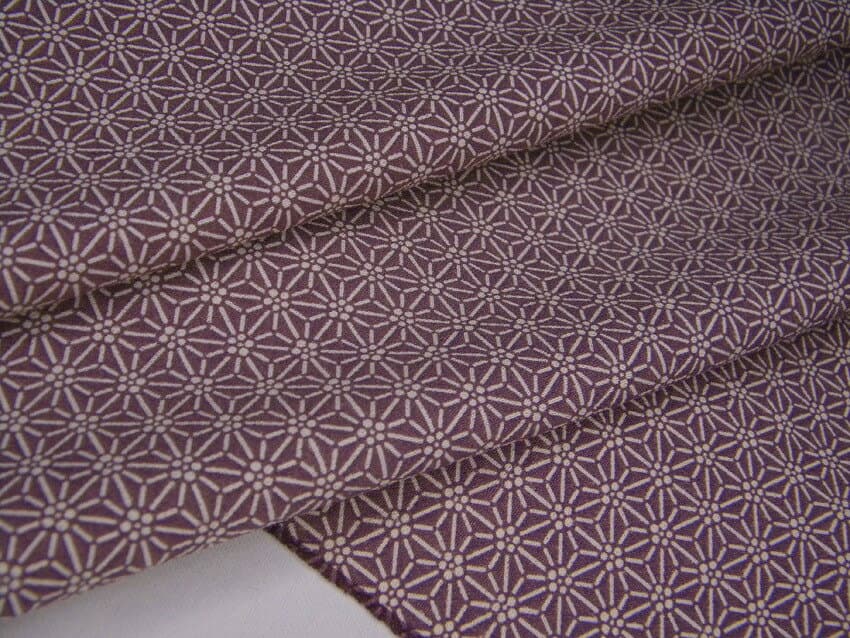
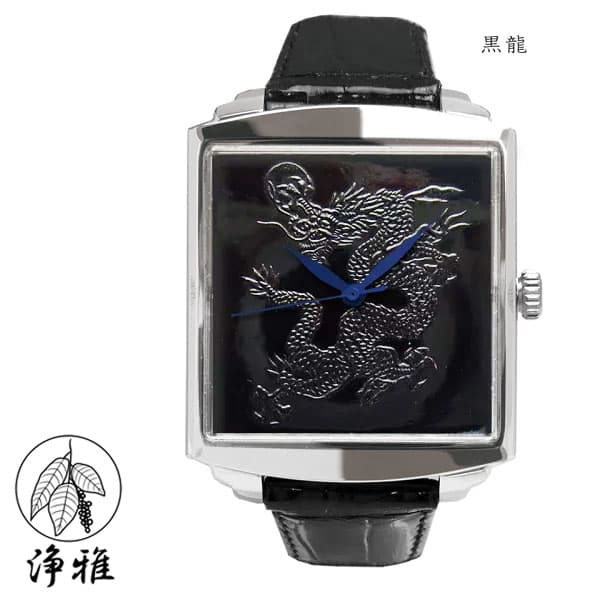
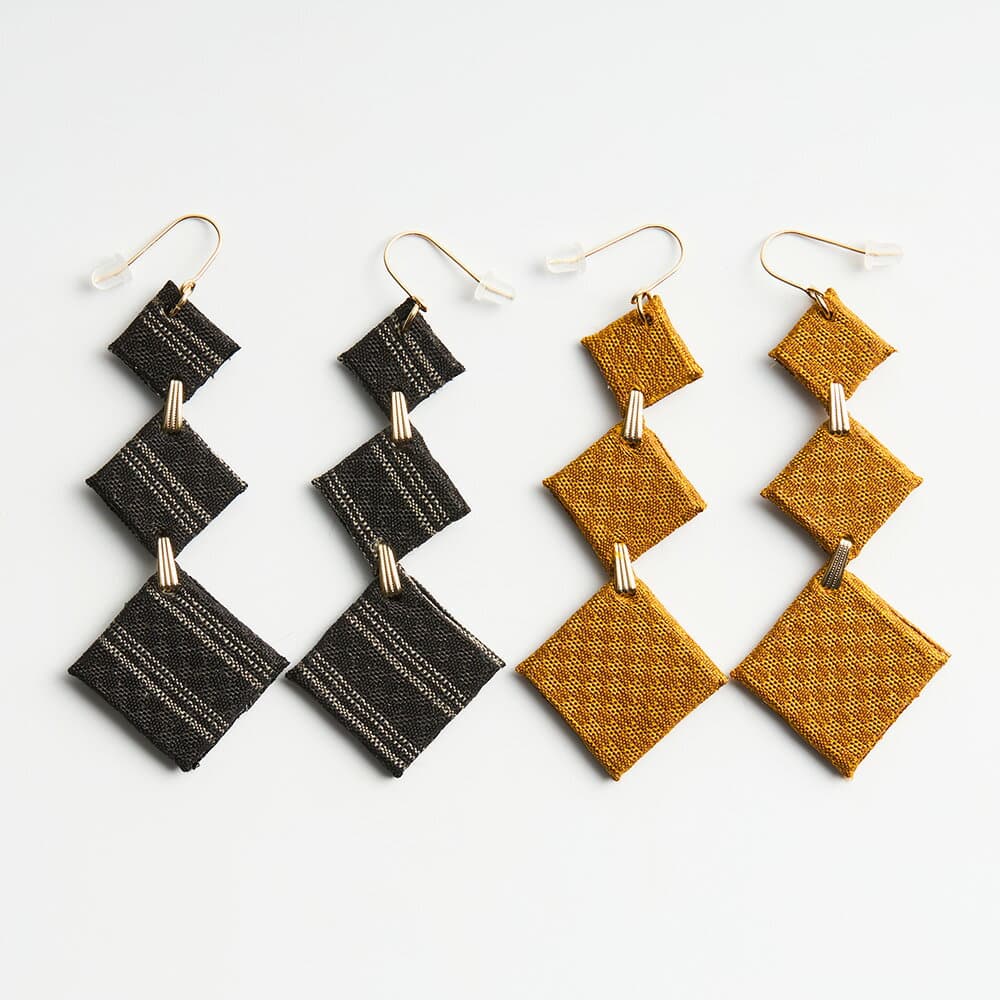
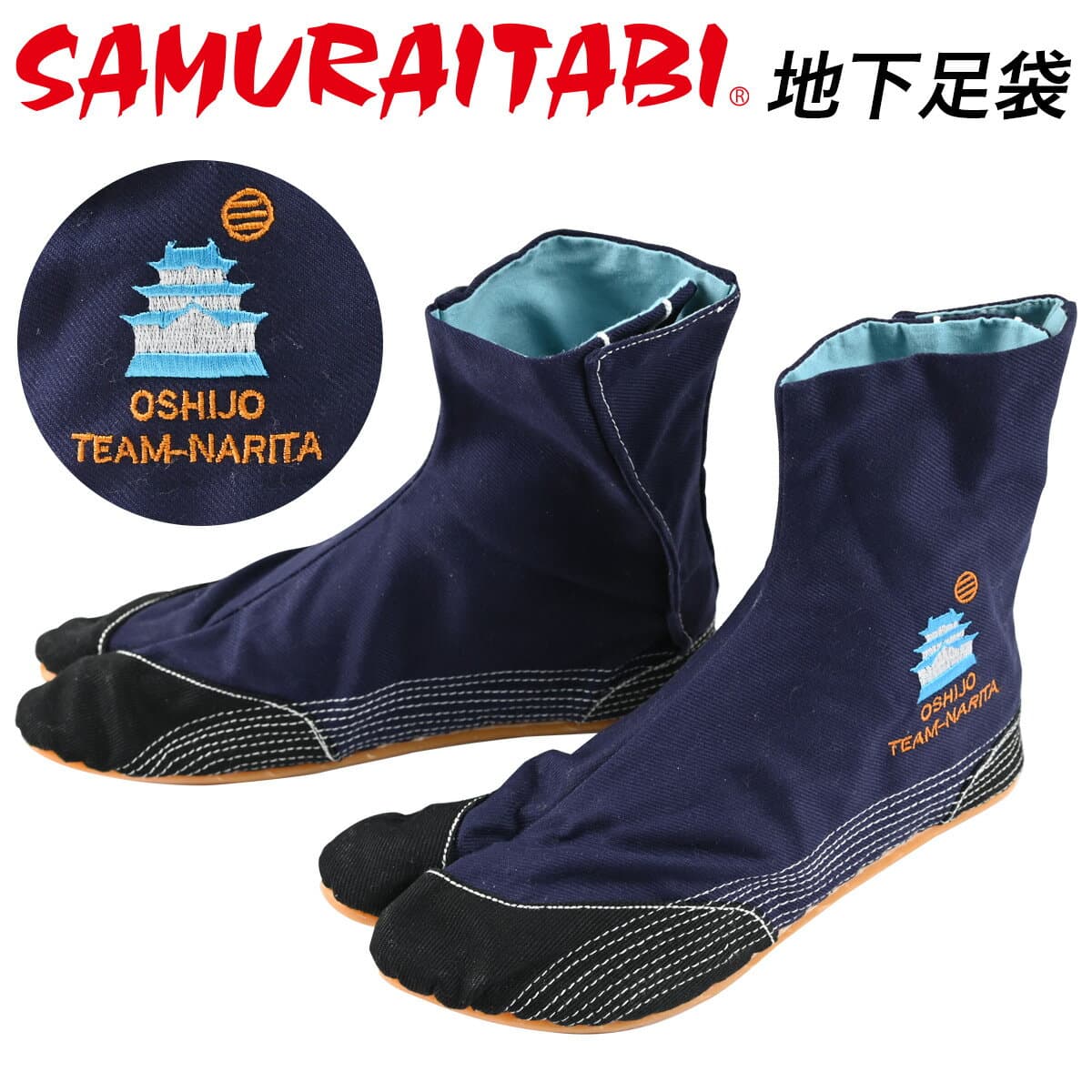
Keep the card short. For an elder: 新年快樂,祝您身體健康、萬事如意 (Happy New Year, wishing you good health and that all goes as you wish). For a household: 恭賀新禧,闔家平安 (New Year greetings, peace to the whole family). For a friend: 新年快樂,羊年行大運 (Happy New Year, good fortune in the Year of the Goat). Write it by hand and sign with your name and the city you live in, since a gift brought back from Fukuoka is itself a kind of greeting. Hand it over with both hands, expect a polite refusal once or twice and insist gently, and do not mind if it is not opened in front of you, which is the polite thing to do. Below are paired, well-made objects and small crafts that raise no quarantine questions, pulled from the nationwide catalog.

If you do not have a Japan address
To put it plainly: the Rakuten shops linked from this site ship within Japan, so the delivery address has to be a Japanese one. If you are in Taiwan or Hong Kong and want a parcel sent straight to your own home, that mostly cannot be done through these links.
Two routes work. The first is to buy during a trip to Japan: pick what you want here, and where it comes from, then either order it to your hotel (confirm the hotel accepts parcels, and time the delivery for a day or two before checkout) or look for the same kind of product in a department store, a station or the airport. The second is to ask a friend or family member in Japan: send them the product page, have it delivered to their home, and collect it the next time you meet, or have them forward it directly to the person in Japan you meant it for. Readers who live in Japan and are going home for the holiday already have an address and can simply order.
The reverse case is common too: you are in Taiwan or Hong Kong and want to send a New Year gift to family or friends in Japan. That is the easy way. Rakuten delivers to any address in Japan, so the recipient's home is the delivery address, and if placing the order yourself proves awkward, a friend in Japan can do it in a minute. The only thing to watch is the shop's year-end pause.
Continue to prefectures
Hokkaido
Hokkaido is a useful starting point for distinctive local specialties.
Kyoto
Kyoto is a useful starting point for distinctive local specialties.
Shizuoka
Shizuoka is a useful starting point for distinctive local specialties.
Ishikawa
Ishikawa is a useful starting point for distinctive local specialties.
Fukuoka
Fukuoka is a useful starting point for distinctive local specialties.
Okinawa
Okinawa is a useful starting point for distinctive local specialties.
Related buying guides
Omiyage to Bring Home from Japan
A practical list of regional Japanese snacks, tea, food gifts, and small crafts to bring home.
Japanese Food Gift Boxes
Regional Japanese food gifts, sweets, tea, and shelf-stable boxes for gifting and trips home.
Gift Guide for Foreign Residents in Japan
Local Japanese gifts for foreign residents shopping for work, friends, seasonal events, or trips home.
FAQ
Can dried goods like kombu, dried scallops or nori go to Taiwan or Hong Kong?
Sealed, shelf-stable dried goods without meat are generally allowed in luggage, but rules change and differ by destination, so check the destination's quarantine rules before you leave and carry them in intact packaging. Anything containing meat stays behind.
Is Japanese tea a strange gift for a Taiwanese elder who already drinks tea?
No. Japanese and Taiwanese teas are different things, and most elders take it as a change of taste. Low-astringency teas such as hojicha and genmaicha are the easiest to accept. For someone particular about oolong, sweets or tableware are a safe alternative.
Do I really have to order in December?
Not strictly, but it is the safe path. Many shops stop shipping over Japan's year-end (roughly late December to early January) and reopen with a backlog, and Lunar New Year on February 6 is only a little over a month later. If you miss December, order in the first days of January and check the dispatch date the shop posts.
Should I tick the shop's noshi gift-label option?
Not for a Lunar New Year gift. The 御年賀 label belongs to the Japanese New Year and is not used after early January; plain or red-and-gold wrapping is right. If the recipient is a Japanese household, the all-season 御礼 (thank-you) label is fine.